
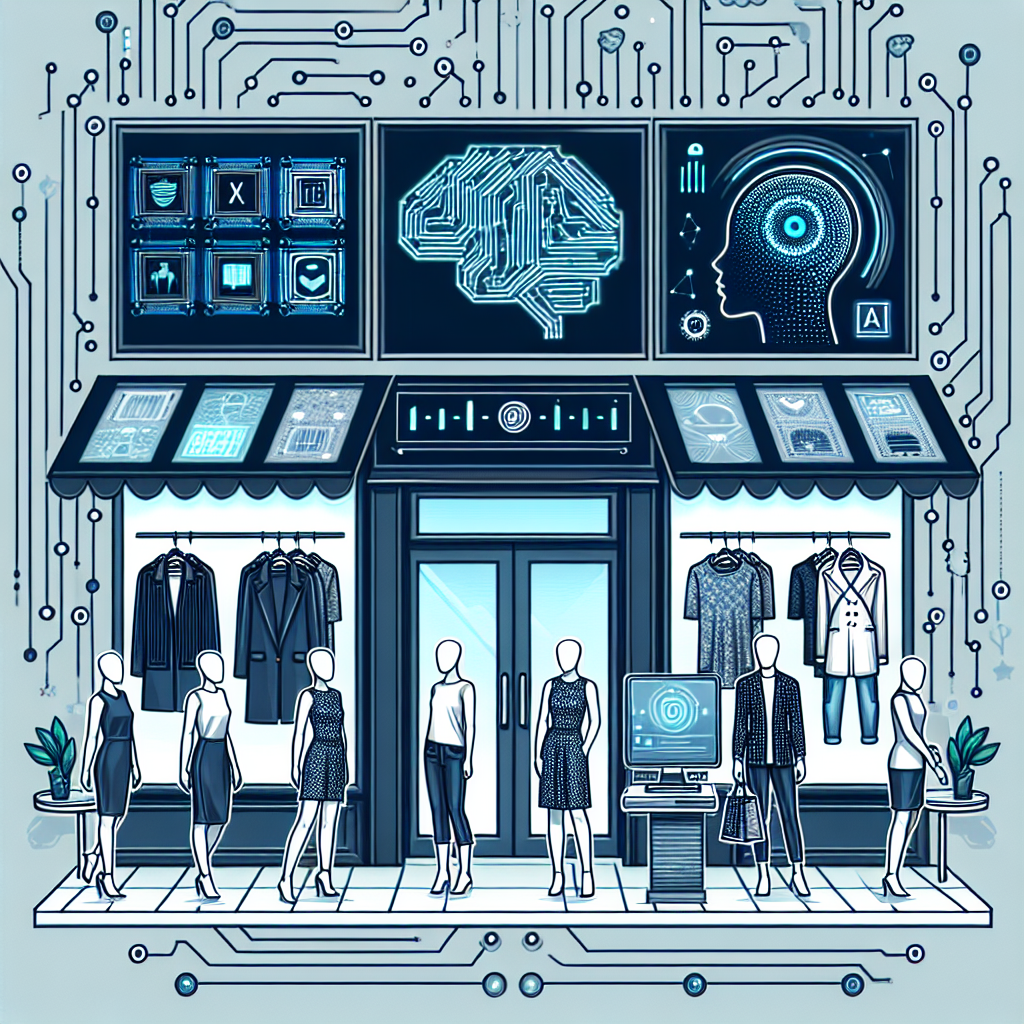
The Impact of AI on Fashion Retail: What’s Next for Consumers
Artificial Intelligence (AI) has been revolutionizing the fashion retail industry in recent years, changing the way consumers shop, interact with brands, and experience fashion. From personalized recommendations to virtual try-on tools, AI is transforming the entire shopping experience, making it more convenient, efficient, and enjoyable for consumers. In this article, we will explore the impact of AI on fashion retail and discuss what’s next for consumers in this rapidly evolving landscape.
Personalized Recommendations
One of the most significant impacts of AI on fashion retail is the ability to provide personalized recommendations to consumers. AI algorithms analyze data on consumers’ preferences, browsing history, purchase behavior, and social media activity to create personalized recommendations tailored to each individual’s style and preferences. This allows retailers to provide a more personalized and relevant shopping experience, increasing customer satisfaction and loyalty.
Virtual Try-On Tools
Another key application of AI in fashion retail is virtual try-on tools. These tools use AI-powered technology to create virtual representations of clothing items on a consumer’s body, allowing them to see how the garment looks and fits before making a purchase. Virtual try-on tools not only enhance the online shopping experience but also reduce the likelihood of returns, as consumers can make more informed decisions about their purchases.
Predictive Analytics
AI-powered predictive analytics tools are also transforming the fashion retail industry by helping retailers forecast trends, optimize inventory, and improve the overall efficiency of their operations. By analyzing data on sales, customer behavior, and market trends, AI algorithms can predict future demand, identify popular products, and optimize pricing strategies. This allows retailers to make data-driven decisions that improve profitability and enhance the customer experience.
Chatbots and Virtual Assistants
AI-powered chatbots and virtual assistants are becoming increasingly popular in fashion retail, providing consumers with instant support and personalized recommendations. Chatbots can assist consumers with product recommendations, sizing queries, and order tracking, while virtual assistants can provide styling tips, fashion advice, and personalized outfit suggestions. These AI-powered tools enhance the customer experience by providing fast and convenient support, improving customer satisfaction and loyalty.
What’s Next for Consumers
As AI continues to evolve and advance, the future of fashion retail holds even more exciting possibilities for consumers. Here are some key trends and developments to watch out for in the coming years:
– Enhanced Personalization: AI will continue to drive personalized shopping experiences, with retailers using advanced algorithms to create hyper-personalized recommendations and customized products tailored to each individual’s preferences.
– Augmented Reality (AR) and Virtual Reality (VR): AR and VR technologies are becoming increasingly popular in fashion retail, allowing consumers to virtually try on clothing, accessories, and footwear in immersive virtual environments. These technologies will revolutionize the way consumers shop, providing a more interactive and engaging shopping experience.
– Sustainable Fashion: AI is also playing a crucial role in advancing sustainable fashion practices, helping retailers optimize their supply chain, reduce waste, and improve the environmental impact of their operations. Consumers are increasingly demanding sustainable and ethically sourced products, and AI can help retailers meet these demands more effectively.
– Voice Commerce: Voice-activated shopping is gaining momentum, with consumers using voice assistants such as Amazon Alexa and Google Assistant to make purchases and place orders. AI-powered voice commerce tools will continue to enhance the convenience and accessibility of shopping, allowing consumers to shop hands-free and on-the-go.
FAQs
Q: How does AI improve the customer shopping experience in fashion retail?
A: AI enhances the customer shopping experience in fashion retail by providing personalized recommendations, virtual try-on tools, predictive analytics, chatbots, and virtual assistants. These AI-powered tools help consumers make more informed decisions, receive instant support, and enjoy a more convenient and personalized shopping experience.
Q: How can retailers leverage AI to drive sales and profitability?
A: Retailers can leverage AI to drive sales and profitability by using AI-powered algorithms to create personalized recommendations, optimize inventory, forecast trends, and enhance the overall efficiency of their operations. By making data-driven decisions and providing a more personalized shopping experience, retailers can increase customer satisfaction, loyalty, and profitability.
Q: What are some key trends to watch out for in the future of fashion retail?
A: Some key trends to watch out for in the future of fashion retail include enhanced personalization, augmented reality (AR) and virtual reality (VR), sustainable fashion practices, and voice commerce. These trends are shaping the future of fashion retail, providing consumers with more interactive, engaging, and sustainable shopping experiences.
In conclusion, AI is revolutionizing the fashion retail industry, transforming the way consumers shop, interact with brands, and experience fashion. From personalized recommendations to virtual try-on tools, AI is enhancing the customer shopping experience, driving sales, and profitability for retailers. As AI continues to evolve and advance, the future of fashion retail holds even more exciting possibilities for consumers, with enhanced personalization, AR and VR technologies, sustainable fashion practices, and voice commerce shaping the future of the industry.