
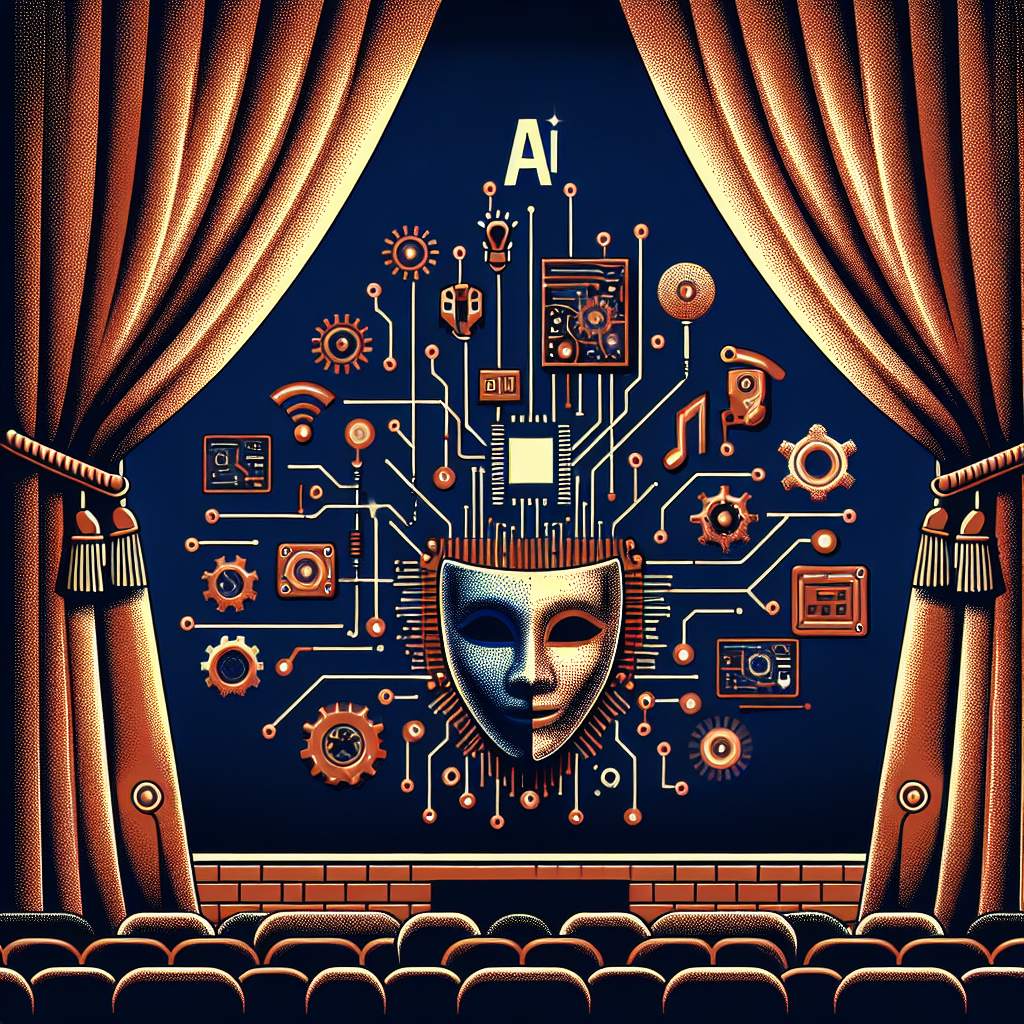
The Impact of AI on Live Performances and Theater
Artificial intelligence (AI) has been revolutionizing various industries around the world, and the entertainment industry is no exception. In recent years, AI technology has made its way into live performances and theater, transforming the way shows are produced, performed, and experienced by audiences. From enhancing the creative process to improving the overall production quality, AI has had a significant impact on the world of live performances and theater.
AI in Creative Process
One of the key ways in which AI has impacted live performances and theater is by enhancing the creative process. AI algorithms can analyze vast amounts of data, including audience preferences, historical performance data, and trends in the industry, to provide insights that can help creators and producers make more informed decisions. This can include everything from predicting which shows will be successful to identifying potential areas for improvement in a production.
AI can also be used to generate new ideas and concepts for shows. By analyzing existing scripts, music, and other creative works, AI algorithms can identify patterns and trends that can inspire new ideas for performances. This can help creators and producers to come up with fresh and innovative concepts that appeal to a wide range of audiences.
AI in Performance
AI technology has also been used to enhance the performance aspect of live shows. For example, AI algorithms can be used to analyze actors’ performances in real-time, providing feedback on their delivery, expression, and overall performance. This can help actors to improve their skills and deliver more compelling performances on stage.
In addition, AI can be used to create virtual characters and performers that can interact with live actors on stage. This can add an extra layer of depth and complexity to a performance, creating a more immersive and engaging experience for audiences. Virtual characters can also be used to perform tasks that would be difficult or impossible for human actors, such as flying or transforming into different shapes and sizes.
AI in Production
AI technology has also had a significant impact on the production aspect of live performances and theater. AI algorithms can be used to automate various aspects of the production process, such as lighting, sound, and special effects. This can help to improve the overall quality of a production and make it more efficient and cost-effective to produce.
AI can also be used to create dynamic sets and backdrops that can change and adapt in real-time during a performance. This can create a more immersive and interactive experience for audiences, allowing them to feel more connected to the world of the show.
FAQs
Q: How is AI used in live performances and theater?
A: AI is used in live performances and theater in a variety of ways, including enhancing the creative process, improving performances, and automating production tasks.
Q: Can AI replace human actors in live shows?
A: While AI technology can create virtual characters and performers, it is unlikely to completely replace human actors in live shows. Human actors bring a unique and irreplaceable element to performances that AI technology cannot replicate.
Q: How does AI impact the quality of live performances?
A: AI can help to improve the quality of live performances by providing insights and feedback to creators and performers, automating production tasks, and creating immersive experiences for audiences.
Q: Are there any ethical concerns associated with the use of AI in live performances and theater?
A: There are ethical concerns associated with the use of AI in live performances and theater, including issues related to data privacy, bias in algorithms, and the potential displacement of human workers. It is important for creators and producers to consider these concerns and take steps to address them in their use of AI technology.
In conclusion, AI technology has had a significant impact on live performances and theater, transforming the way shows are produced, performed, and experienced by audiences. From enhancing the creative process to improving the quality of performances, AI has opened up new possibilities for creators, performers, and audiences alike. As AI continues to evolve and become more advanced, its impact on live performances and theater is likely to grow even further, shaping the future of the entertainment industry for years to come.