
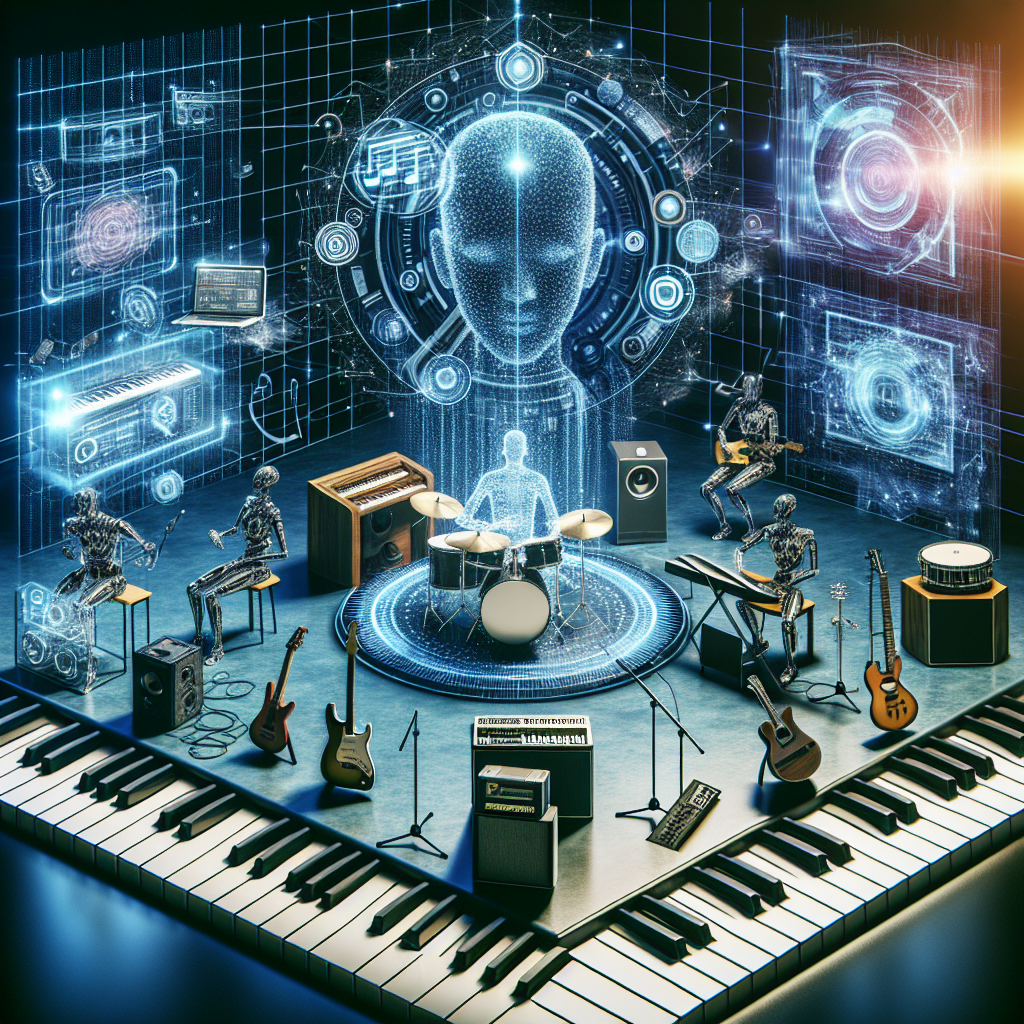
The Impact of AI on Music Production Workflow
Artificial intelligence (AI) has been making waves in various industries, including music production. From generating melodies to mastering tracks, AI is revolutionizing the way music is created and produced. In this article, we will explore the impact of AI on music production workflow and how it is changing the game for musicians and producers worldwide.
AI in Music Composition
One of the most significant impacts of AI on music production is in the area of composition. AI algorithms can analyze vast amounts of music data to generate melodies, chord progressions, and even entire songs. This has been a game-changer for musicians looking for inspiration or struggling to come up with new ideas.
AI-powered tools like Amper Music and AIVA have made it easier for musicians to create music quickly and efficiently. These tools use machine learning algorithms to analyze music patterns and styles, allowing users to generate original compositions in a matter of minutes. This has opened up new possibilities for artists to experiment with different genres and styles, leading to more diverse and innovative music.
AI in Sound Design
In addition to composition, AI is also being used in sound design to enhance the quality of music production. AI algorithms can analyze audio samples to identify patterns and trends, allowing producers to create better-sounding tracks. Tools like LANDR and Izotope’s Ozone use AI to automatically master tracks, saving producers time and effort in the mixing and mastering process.
AI can also be used to enhance live performances, with tools like Ableton Live’s “Follow” feature using AI algorithms to analyze incoming audio and adjust tempo and timing in real-time. This has made it easier for musicians to perform live without the need for a dedicated sound engineer, leading to more dynamic and engaging performances.
AI in Collaboration
Another impact of AI on music production workflow is in collaboration. AI-powered tools like Endlesss and Splice have made it easier for musicians to collaborate remotely, allowing them to share ideas and work on projects together in real-time. This has opened up new opportunities for artists to collaborate with other musicians from around the world, leading to more diverse and innovative music.
AI-powered collaboration tools can also help musicians overcome creative blocks by providing suggestions and feedback on their work. This has made it easier for artists to experiment with different ideas and styles, leading to more creative and original music.
FAQs
Q: Can AI replace human musicians and producers?
A: While AI can assist in music production, it cannot replace the creativity and emotion that human musicians and producers bring to the table. AI is a tool that can help enhance the creative process, but ultimately, it is up to the artist to use it in a way that complements their own unique style and vision.
Q: Is AI making music production easier or more challenging?
A: AI is making music production easier in many ways, by automating tasks like composition, sound design, and mastering. However, it also presents new challenges for musicians and producers, such as learning how to integrate AI tools into their workflow and ensuring that their music remains authentic and original.
Q: How can musicians and producers stay ahead in a world of AI-powered music production?
A: To stay ahead in a world of AI-powered music production, musicians and producers should embrace AI tools as a means to enhance their creative process, rather than as a replacement for their own skills and expertise. By staying open to new technologies and experimenting with different AI-powered tools, artists can continue to innovate and create music that resonates with audiences worldwide.
In conclusion, the impact of AI on music production workflow is undeniable. From composition to sound design to collaboration, AI is changing the game for musicians and producers in ways that were once thought impossible. By embracing AI tools and incorporating them into their workflow, artists can unlock new possibilities and create music that pushes the boundaries of creativity and innovation.