
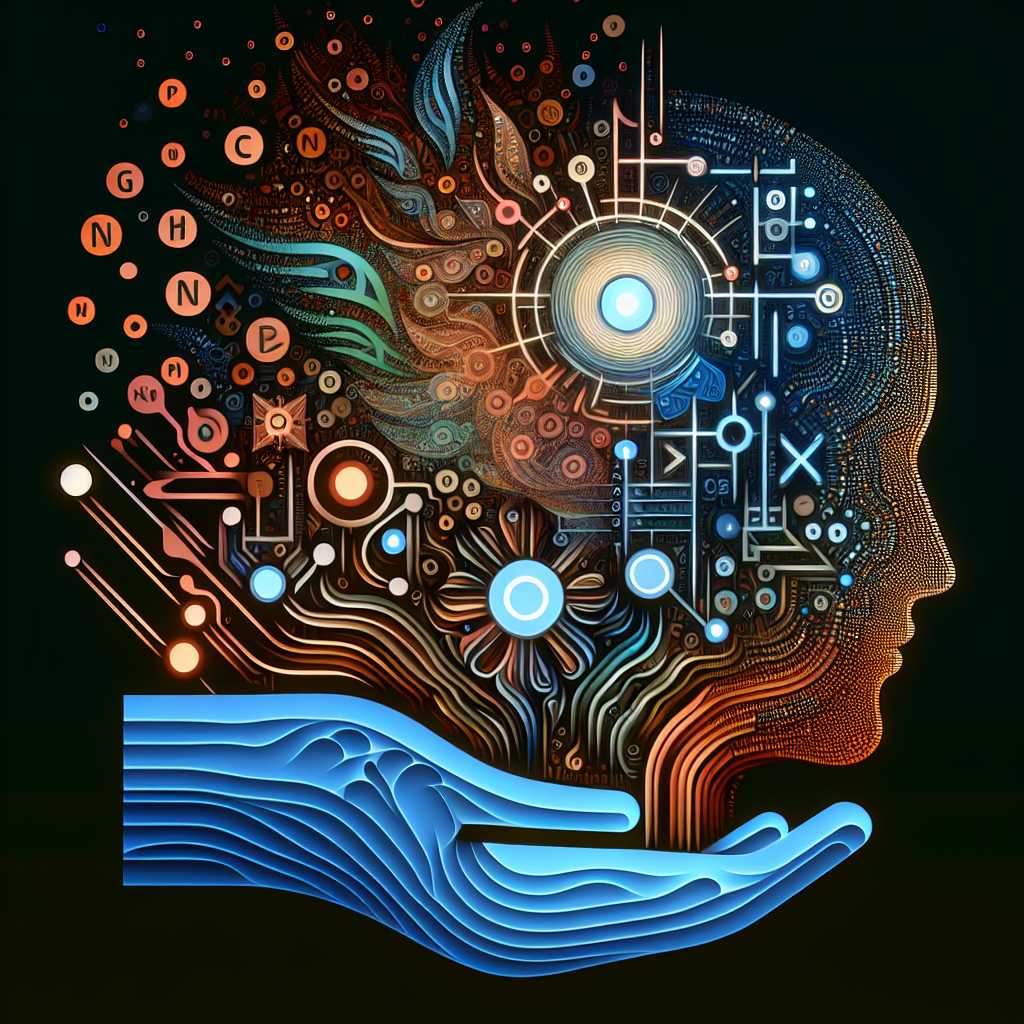
The Impact of AI on Nonprofit Service Delivery
Artificial intelligence (AI) has been rapidly advancing in recent years, transforming the way organizations operate and deliver services. Nonprofit organizations, in particular, have begun to explore the potential of AI to enhance their service delivery and better meet the needs of their beneficiaries. From streamlining operations to improving data analysis and decision-making, AI has the potential to revolutionize the nonprofit sector.
One of the key areas where AI is making an impact on nonprofit service delivery is in data management and analysis. Nonprofits collect vast amounts of data on their beneficiaries, donors, and programs, but often struggle to make sense of this data and use it effectively to inform their decision-making. AI technologies, such as machine learning algorithms, can help nonprofits analyze data more efficiently and identify patterns and trends that may not be immediately apparent to human analysts. This can enable nonprofits to make more informed decisions about how to allocate resources, target interventions, and measure the impact of their programs.
In addition to data analysis, AI can also help nonprofits streamline their operations and improve the efficiency of service delivery. For example, chatbots powered by AI can provide instant responses to common inquiries from beneficiaries, reducing the need for staff to handle routine requests. AI can also automate repetitive tasks, such as scheduling appointments or processing payments, freeing up staff to focus on more complex and high-value activities. By automating these tasks, nonprofits can improve their productivity and reduce costs, allowing them to serve more beneficiaries with limited resources.
Another way AI is impacting nonprofit service delivery is through personalized interventions and services. AI technologies can analyze individual data points, such as demographics, preferences, and behaviors, to tailor interventions and services to the specific needs of each beneficiary. For example, AI-powered recommendation engines can suggest personalized resources or programs based on an individual’s interests and goals. This personalized approach can help nonprofits better engage with their beneficiaries, increase the effectiveness of their interventions, and ultimately improve outcomes.
Despite the potential benefits of AI in nonprofit service delivery, there are also challenges and ethical considerations that organizations must navigate. For example, there are concerns about data privacy and security, as AI technologies rely on vast amounts of data to function effectively. Nonprofits must ensure that they are collecting and using data responsibly, in compliance with relevant regulations and ethical guidelines. They must also be transparent with beneficiaries about how their data is being used and give them the option to opt out of data collection if desired.
Additionally, there is a risk of bias in AI algorithms, which can result in unfair or discriminatory outcomes. AI systems are only as good as the data they are trained on, and if that data is biased or incomplete, the algorithms may produce biased results. Nonprofits must be vigilant in monitoring and addressing bias in their AI systems to ensure that they are serving all beneficiaries fairly and equitably.
FAQs
Q: How can nonprofits get started with implementing AI in their service delivery?
A: Nonprofits can start by identifying areas where AI can add value to their operations and service delivery. This may involve conducting a needs assessment to determine where AI could help streamline processes, improve data analysis, or enhance interventions. Nonprofits can then explore AI tools and technologies that align with their goals and budget, and pilot test them to assess their effectiveness before scaling up.
Q: What are some examples of AI applications in nonprofit service delivery?
A: Some examples of AI applications in nonprofit service delivery include chatbots for instant customer support, predictive analytics for identifying at-risk beneficiaries, and personalized recommendation engines for suggesting resources or programs. AI can also be used for automating routine tasks, such as scheduling appointments or processing payments, to improve efficiency and productivity.
Q: How can nonprofits ensure that their AI systems are ethical and unbiased?
A: Nonprofits can take several steps to ensure that their AI systems are ethical and unbiased. This includes conducting regular audits of their data and algorithms to identify and address bias, being transparent with beneficiaries about how their data is being used, and engaging diverse stakeholders in the design and implementation of AI systems to ensure that they are serving all beneficiaries fairly and equitably.