
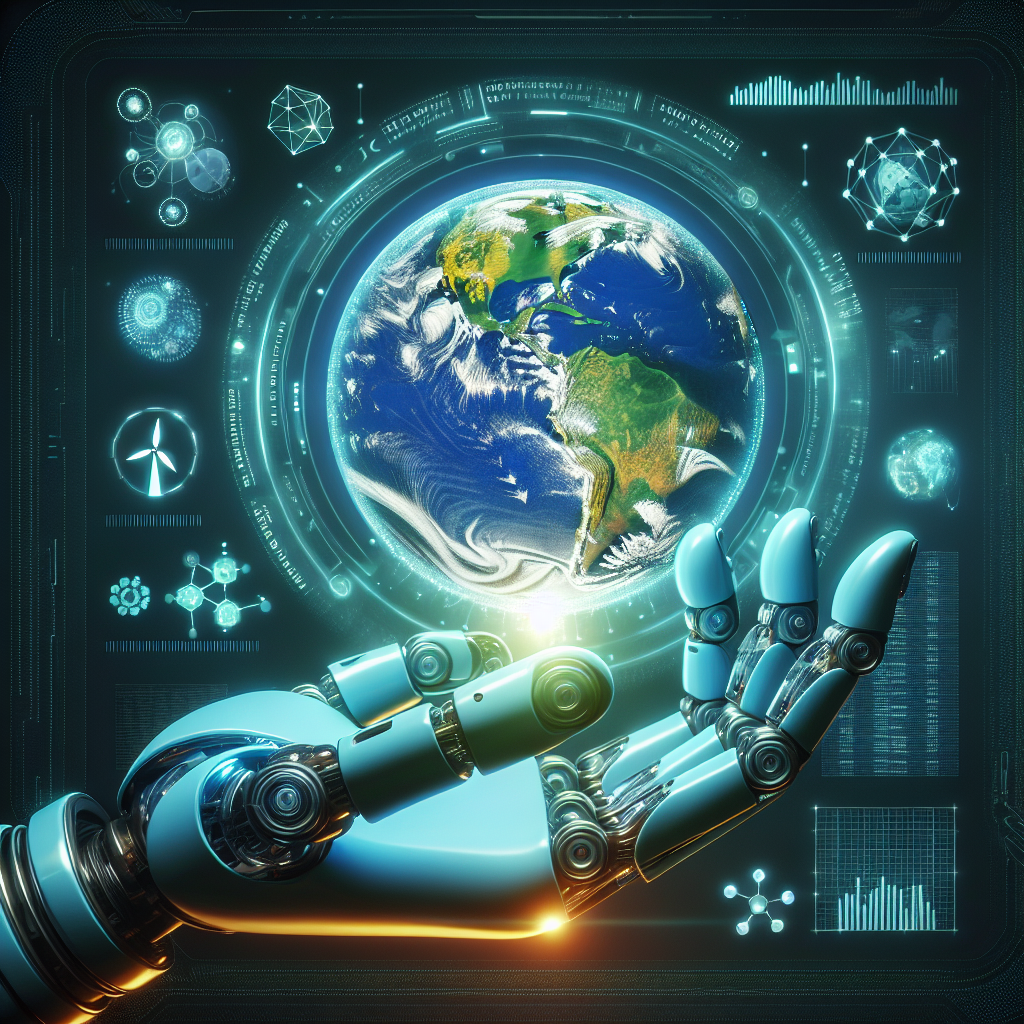
The Impact of AI on Renewable Energy
Artificial Intelligence (AI) has revolutionized many industries, and the renewable energy sector is no exception. AI technologies have the potential to significantly enhance the efficiency, reliability, and cost-effectiveness of renewable energy sources such as solar, wind, and hydroelectric power. In this article, we will explore the various ways in which AI is transforming the renewable energy sector and the potential impact it could have on the global transition to clean energy.
1. Predictive Maintenance
One of the key applications of AI in the renewable energy sector is predictive maintenance. By analyzing vast amounts of data collected from sensors and monitoring systems, AI algorithms can predict when equipment is likely to fail and proactively schedule maintenance to prevent costly downtime. This not only reduces maintenance costs but also improves the overall reliability of renewable energy systems.
For example, AI-powered predictive maintenance systems can analyze the performance of solar panels and predict when they are likely to degrade or malfunction. By detecting issues early on, operators can take corrective action before they escalate into larger problems, ensuring that the solar panels operate at maximum efficiency.
2. Optimization of Energy Production
AI algorithms can also optimize the production of renewable energy by predicting energy demand and adjusting production levels accordingly. This is particularly important for variable energy sources such as wind and solar power, which depend on weather conditions and time of day.
For example, AI can analyze weather forecasts and historical data to predict when the wind is likely to be strongest or the sunniest, allowing operators to adjust production levels to maximize energy output. This not only increases the efficiency of renewable energy systems but also reduces the need for backup power sources, leading to cost savings and a more sustainable energy grid.
3. Grid Management
AI technologies are also being used to optimize the management of energy grids, ensuring that renewable energy sources are integrated seamlessly into the existing infrastructure. AI algorithms can analyze real-time data from sensors and smart meters to predict energy demand and supply, allowing operators to balance the grid more efficiently and prevent outages.
For example, AI-powered grid management systems can predict when there will be a surplus of energy from solar panels and redirect it to storage facilities or other areas of the grid where it is needed. This helps to reduce waste and ensure that renewable energy sources are utilized to their full potential.
4. Energy Storage
Energy storage is a key challenge for renewable energy sources, as the sun does not always shine and the wind does not always blow. AI technologies are being used to optimize energy storage systems, such as batteries and pumped hydro storage, to store excess energy from renewable sources and release it when needed.
For example, AI algorithms can optimize the charging and discharging cycles of batteries to maximize their lifespan and efficiency. By predicting energy demand and supply, AI can ensure that energy storage systems are fully charged when renewable energy sources are abundant and discharge energy when they are not.
5. Smart Grids
AI technologies are also driving the development of smart grids, which use advanced communication and control systems to manage the flow of electricity more efficiently. Smart grids can integrate renewable energy sources, energy storage systems, and demand response programs to create a more flexible and resilient energy grid.
For example, smart grids can use AI algorithms to analyze real-time data from sensors and smart meters to predict energy demand and supply, allowing operators to adjust production levels and redirect energy as needed. This helps to reduce waste, lower costs, and improve the reliability of the energy grid.
FAQs
Q: How is AI being used to optimize the production of solar energy?
A: AI algorithms can analyze weather forecasts and historical data to predict when the sun is likely to be strongest, allowing operators to adjust production levels to maximize energy output.
Q: How can AI help with the maintenance of wind turbines?
A: AI-powered predictive maintenance systems can analyze performance data from wind turbines and predict when they are likely to fail, allowing operators to schedule maintenance proactively and prevent costly downtime.
Q: What is the role of AI in energy storage systems?
A: AI technologies are being used to optimize the charging and discharging cycles of energy storage systems, such as batteries, to maximize their efficiency and lifespan.
Q: How can AI help with the integration of renewable energy sources into the existing energy grid?
A: AI algorithms can analyze real-time data from sensors and smart meters to predict energy demand and supply, allowing operators to balance the grid more efficiently and prevent outages.
In conclusion, AI technologies have the potential to transform the renewable energy sector by enhancing the efficiency, reliability, and cost-effectiveness of renewable energy sources. From predictive maintenance to grid management and energy storage, AI is driving innovation and paving the way for a more sustainable energy future. As the global demand for clean energy continues to rise, AI will play an increasingly important role in accelerating the transition to a renewable energy economy.