
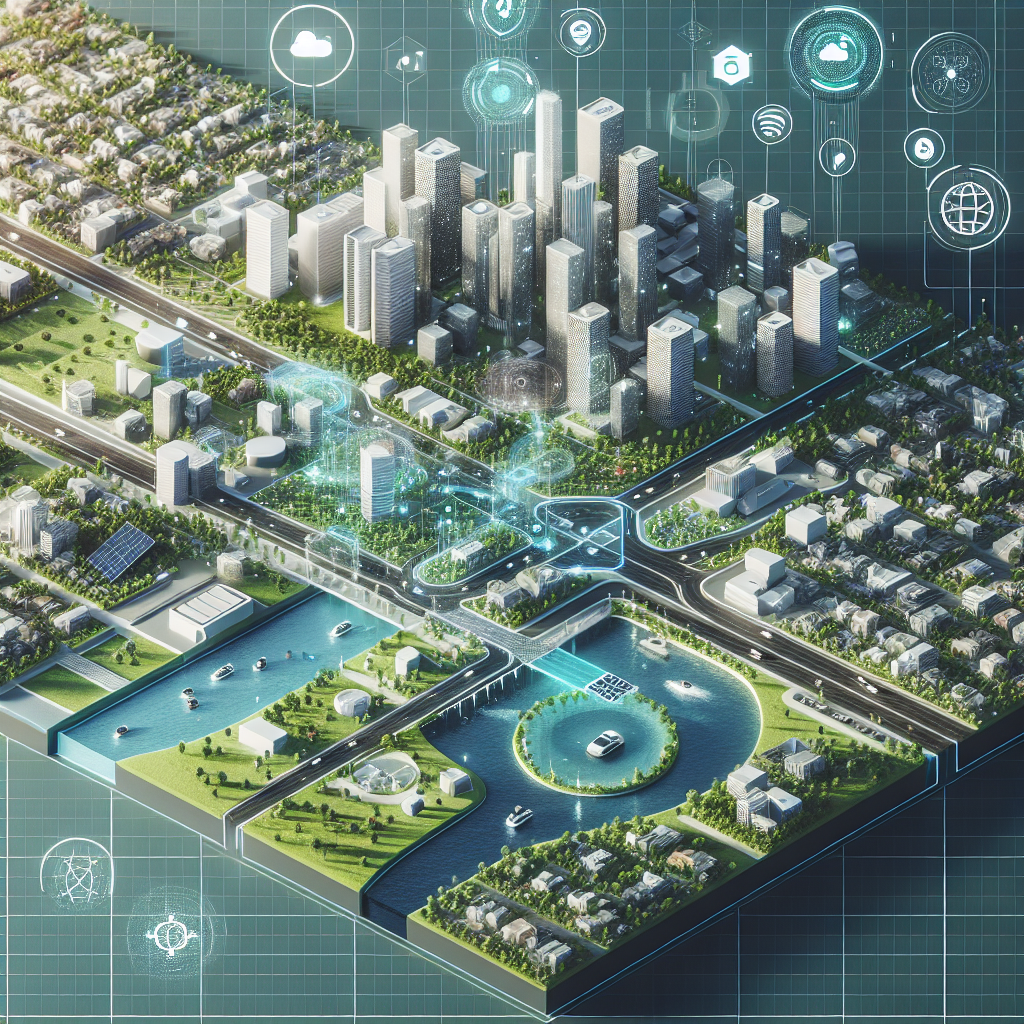
The Impact of AI on Sustainable Urban Planning and Development
Artificial intelligence (AI) is revolutionizing the way cities are planned and developed, with a significant impact on sustainability. As urban populations continue to grow, it is essential to find innovative solutions to create sustainable cities that are efficient, livable, and environmentally friendly. AI technology has the potential to enhance urban planning and development by providing valuable insights, improving decision-making processes, and optimizing resource management. In this article, we will explore the impact of AI on sustainable urban planning and development, and how it is reshaping the future of our cities.
1. Improved Data Analysis and Decision-Making
One of the key benefits of AI in urban planning is its ability to analyze vast amounts of data in real-time. By collecting and processing data from various sources, such as sensors, satellites, and social media, AI algorithms can provide valuable insights into urban trends, patterns, and challenges. This data-driven approach allows planners and policymakers to make informed decisions based on accurate information, leading to more efficient and effective urban development strategies.
For example, AI can help identify traffic congestion hotspots, optimize public transportation routes, and predict future demand for infrastructure and services. By analyzing data on energy consumption, waste generation, and water usage, AI can also help cities reduce their environmental footprint and promote sustainable practices. These insights enable urban planners to create more resilient and adaptive cities that can respond to changing conditions and meet the needs of their residents.
2. Smart Infrastructure and Resource Management
AI technology is also transforming the way cities manage their infrastructure and resources. By integrating AI-powered systems into urban networks, such as smart grids, water management systems, and waste collection systems, cities can optimize resource usage, reduce costs, and improve service delivery.
For instance, AI can help monitor energy consumption in buildings, predict peak demand periods, and adjust energy production accordingly. By analyzing data on water usage and quality, AI can also identify leaks, contamination, and inefficiencies in the water supply system. These smart technologies enable cities to enhance their infrastructure resilience, reduce resource wastage, and improve the overall quality of life for residents.
3. Citizen Engagement and Participation
AI technology is also empowering citizens to participate in the urban planning process and contribute to sustainable development. By leveraging AI-powered tools, such as interactive maps, virtual reality simulations, and online surveys, cities can engage with residents, gather feedback, and involve them in decision-making processes.
For example, AI can help visualize urban development projects, simulate their impact on the environment, and gather input from the community. By providing citizens with access to real-time data and information, AI can enable them to make informed choices about their neighborhoods, transportation options, and public services. This participatory approach fosters a sense of ownership and collaboration among residents, leading to more sustainable and inclusive urban development.
4. Challenges and Opportunities
While AI offers numerous benefits for sustainable urban planning and development, it also poses several challenges that need to be addressed. One of the main concerns is the potential for bias and discrimination in AI algorithms, which can lead to inequitable outcomes and exclusion of certain groups within the community. To mitigate these risks, it is crucial to ensure that AI systems are transparent, accountable, and fair in their decision-making processes.
Another challenge is the need for skilled professionals who can develop, implement, and manage AI technologies in urban planning. As AI continues to evolve rapidly, there is a growing demand for experts in data science, machine learning, and urban analytics who can harness the full potential of AI for sustainable development. By investing in education and training programs, cities can build a workforce that is equipped to tackle complex urban challenges and leverage AI for positive change.
Despite these challenges, AI presents significant opportunities for cities to create more sustainable, resilient, and inclusive urban environments. By harnessing the power of AI technology, cities can enhance their planning processes, optimize resource management, and engage with citizens in new and innovative ways. With the right strategies and partnerships in place, AI can help shape a more sustainable future for urban development.
FAQs
Q: How can AI help cities reduce their environmental footprint?
A: AI technology can help cities reduce their environmental footprint by analyzing data on energy consumption, waste generation, and water usage. By identifying inefficiencies and opportunities for improvement, AI algorithms can help cities optimize their resource usage, reduce costs, and promote sustainable practices.
Q: What are some examples of AI applications in urban planning?
A: AI applications in urban planning include traffic management systems, smart grids, water management systems, and waste collection systems. These AI-powered technologies help cities optimize their infrastructure, improve service delivery, and enhance the quality of life for residents.
Q: How can citizens participate in the urban planning process using AI?
A: Citizens can participate in the urban planning process using AI-powered tools, such as interactive maps, virtual reality simulations, and online surveys. By providing feedback, sharing ideas, and engaging with decision-makers, residents can contribute to sustainable development and shape the future of their cities.
Q: What are the main challenges of using AI in urban planning?
A: The main challenges of using AI in urban planning include bias and discrimination in AI algorithms, the need for skilled professionals to develop and manage AI technologies, and concerns about data privacy and security. To address these challenges, cities must ensure that AI systems are transparent, accountable, and inclusive in their decision-making processes.