
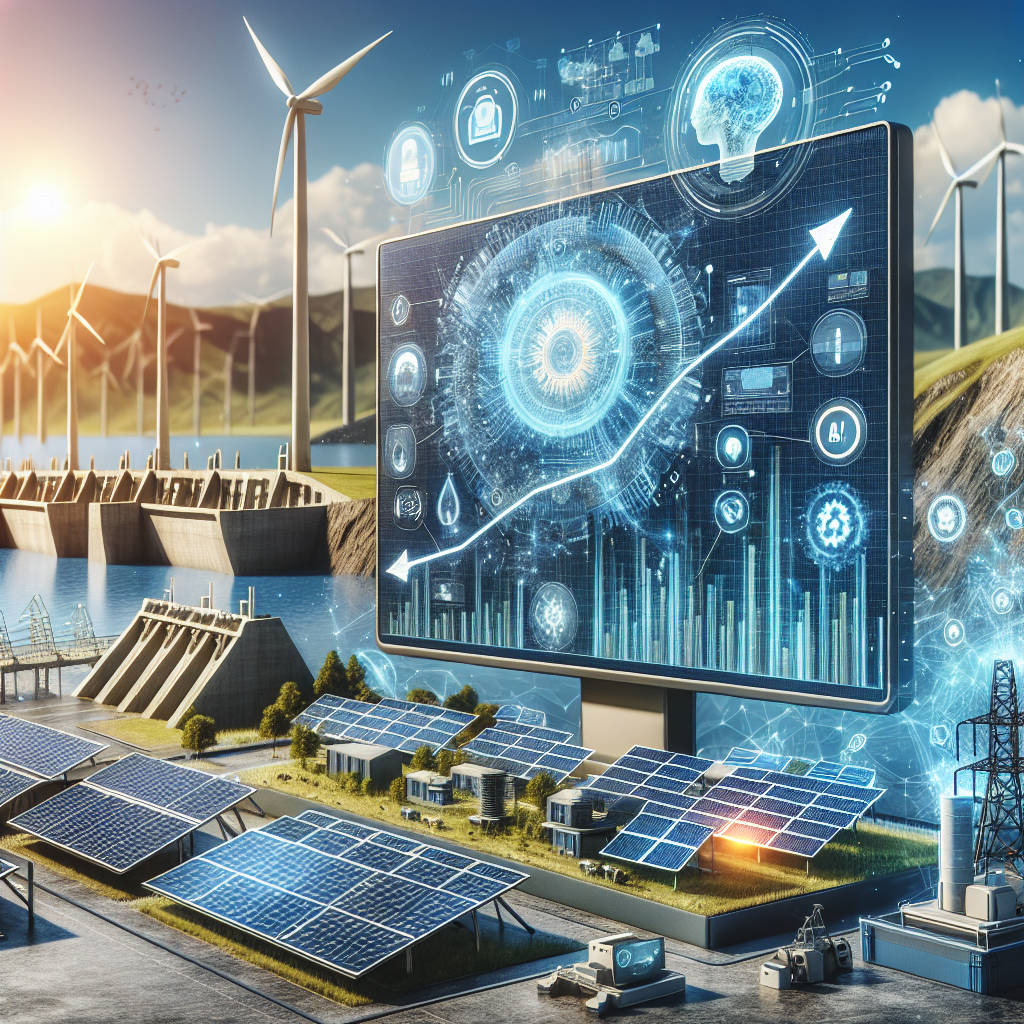
The Impact of AI on the Growth of Renewable Energy Sources
In recent years, the world has seen a significant shift towards renewable energy sources as a response to the growing concerns about climate change and the depletion of traditional energy sources. One of the key drivers behind this shift is the advancement of artificial intelligence (AI) technology, which has played a crucial role in the development and growth of renewable energy sources. AI has revolutionized the way we generate, store, and distribute renewable energy, making it more efficient, reliable, and cost-effective than ever before.
AI and Renewable Energy Generation
One of the main areas where AI has had a significant impact on the growth of renewable energy sources is in the generation of electricity. AI algorithms are being used to optimize the performance of renewable energy systems such as solar panels, wind turbines, and hydroelectric plants. These algorithms can analyze vast amounts of data in real-time, allowing renewable energy systems to operate more efficiently and generate more power.
For example, AI can predict weather patterns and adjust the output of solar panels and wind turbines accordingly, maximizing their energy production. AI can also optimize the placement of solar panels and wind turbines to ensure they capture the most sunlight and wind, further increasing their efficiency. In addition, AI can detect and diagnose faults in renewable energy systems, allowing for quicker and more accurate maintenance, thus reducing downtime and increasing overall energy production.
AI and Energy Storage
Another area where AI is making a significant impact on the growth of renewable energy sources is in energy storage. One of the main challenges of renewable energy sources such as solar and wind is their intermittent nature, as they depend on factors such as sunlight and wind speed. AI algorithms are being used to optimize energy storage systems such as batteries and pumped hydro storage, allowing them to store excess energy when renewable sources are producing more than needed and release it when production is low.
AI can predict energy demand patterns and adjust the charging and discharging of storage systems accordingly, ensuring a stable and reliable energy supply. AI can also optimize the lifespan of storage systems by predicting and preventing degradation, thus reducing maintenance costs and increasing their efficiency. In addition, AI can optimize the integration of renewable energy sources with the grid, balancing supply and demand in real-time and reducing the need for traditional fossil fuel power plants.
AI and Energy Distribution
AI is also playing a crucial role in the distribution of renewable energy. AI algorithms are being used to optimize the transmission and distribution of electricity from renewable sources to end-users, ensuring a stable and reliable supply. AI can predict and prevent grid failures and blackouts by analyzing data from sensors and smart meters, allowing for quicker and more accurate response to disruptions.
AI can also optimize the routing of electricity through the grid, minimizing losses and reducing energy costs. In addition, AI can optimize the integration of renewable energy sources with smart grids, allowing for two-way communication between producers and consumers and enabling a more flexible and efficient energy system. Overall, AI is transforming the way we generate, store, and distribute renewable energy, making it more reliable, resilient, and sustainable than ever before.
FAQs
Q: How is AI being used to optimize the performance of solar panels?
A: AI algorithms are being used to analyze weather patterns and adjust the output of solar panels accordingly, maximizing their energy production. AI can also optimize the placement of solar panels to ensure they capture the most sunlight, further increasing their efficiency.
Q: How is AI being used to optimize energy storage systems?
A: AI algorithms are being used to predict energy demand patterns and adjust the charging and discharging of storage systems accordingly, ensuring a stable and reliable energy supply. AI can also optimize the lifespan of storage systems by predicting and preventing degradation.
Q: How is AI being used to optimize the distribution of renewable energy?
A: AI algorithms are being used to optimize the transmission and distribution of electricity from renewable sources to end-users, ensuring a stable and reliable supply. AI can predict and prevent grid failures and blackouts, allowing for quicker response to disruptions.
In conclusion, AI is playing a crucial role in the growth of renewable energy sources by optimizing their generation, storage, and distribution. AI algorithms are revolutionizing the way we produce and use renewable energy, making it more efficient, reliable, and cost-effective than ever before. As AI technology continues to advance, we can expect even greater innovations in the renewable energy sector, leading to a more sustainable and environmentally friendly energy system for future generations.