
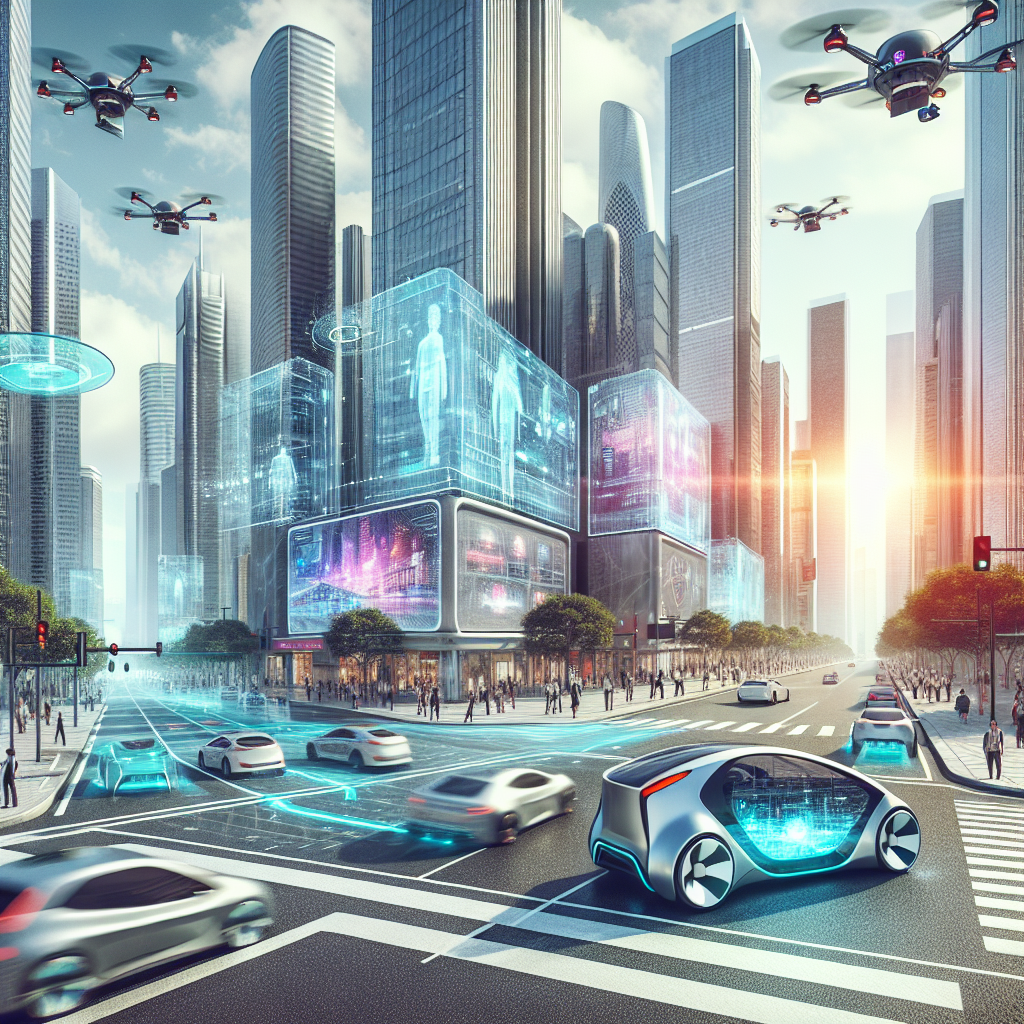
The Impact of AI on Urban Mobility
Artificial Intelligence (AI) has been making significant strides in various industries, and urban mobility is no exception. From self-driving cars to predictive traffic management systems, AI technology is revolutionizing the way people move around in cities. In this article, we will explore the impact of AI on urban mobility and how it is shaping the future of transportation.
AI-Powered Transportation Solutions
One of the most significant impacts of AI on urban mobility is the development of autonomous vehicles. These self-driving cars use AI algorithms to navigate roads, detect obstacles, and make decisions in real-time. Companies like Tesla, Waymo, and Uber have been at the forefront of developing autonomous vehicle technology, with the goal of reducing traffic congestion, improving safety, and increasing efficiency on the roads.
AI is also being used to optimize traffic flow and reduce congestion in cities. Traffic management systems powered by AI can analyze real-time traffic data, predict traffic patterns, and adjust traffic signals to improve the flow of vehicles. These systems can help reduce travel times, fuel consumption, and emissions, making urban transportation more sustainable and efficient.
In addition to autonomous vehicles and traffic management systems, AI is also being used to improve public transportation services. AI-powered apps can provide real-time information on bus and train schedules, delays, and alternative routes, helping commuters plan their journeys more efficiently. These apps can also optimize routes based on traffic conditions, weather, and other factors to provide a seamless and reliable public transportation experience.
Challenges and Opportunities
While AI has the potential to revolutionize urban mobility, there are also challenges that need to be addressed. Privacy and security concerns, ethical implications, and regulatory issues are some of the key challenges facing the adoption of AI in transportation. For example, there are concerns about the collection and use of personal data by AI-powered transportation systems, as well as the potential for accidents and malfunctions in autonomous vehicles.
Another challenge is the impact of AI on jobs in the transportation industry. As autonomous vehicles become more widespread, there is a risk of job displacement for drivers and other transportation workers. However, AI also presents opportunities for new jobs in areas like data analysis, software development, and AI research, creating new career paths for workers in the transportation sector.
Overall, the adoption of AI in urban mobility presents a unique opportunity to transform the way people move around in cities. By leveraging AI technology, cities can improve the efficiency, safety, and sustainability of their transportation systems, providing a better experience for commuters and reducing the environmental impact of urban transportation.
FAQs
1. How does AI improve traffic flow in cities?
AI-powered traffic management systems can analyze real-time traffic data, predict traffic patterns, and adjust traffic signals to optimize the flow of vehicles. By making real-time adjustments based on traffic conditions, these systems can reduce congestion, improve travel times, and reduce emissions in cities.
2. Are autonomous vehicles safe?
Autonomous vehicles use AI algorithms to navigate roads, detect obstacles, and make decisions in real-time. While there have been some accidents involving autonomous vehicles, experts believe that self-driving cars have the potential to be safer than human drivers in the long run. Companies are continuously improving the safety features and capabilities of autonomous vehicles to ensure their reliability on the roads.
3. How will AI impact jobs in the transportation industry?
The adoption of AI in transportation may lead to job displacement for drivers and other transportation workers. However, AI also presents opportunities for new jobs in areas like data analysis, software development, and AI research. Workers in the transportation sector can acquire new skills and pursue career opportunities in emerging fields related to AI technology.
4. What are the privacy concerns related to AI in transportation?
There are concerns about the collection and use of personal data by AI-powered transportation systems. Companies must ensure that data privacy and security measures are in place to protect sensitive information collected from commuters. Regulatory guidelines and ethical standards should be followed to address privacy concerns and build trust with users of AI-powered transportation services.
5. How can AI improve public transportation services?
AI-powered apps can provide real-time information on bus and train schedules, delays, and alternative routes to help commuters plan their journeys more efficiently. These apps can also optimize routes based on traffic conditions, weather, and other factors to provide a seamless and reliable public transportation experience. By leveraging AI technology, cities can enhance the quality and accessibility of public transportation services for residents and visitors alike.
In conclusion, the impact of AI on urban mobility is profound and far-reaching. From autonomous vehicles to traffic management systems, AI technology is transforming the way people move around in cities. While there are challenges to overcome, such as privacy concerns and job displacement, the opportunities for improving efficiency, safety, and sustainability in urban transportation are significant. By embracing AI technology, cities can create a more connected, accessible, and sustainable transportation system for the future.