
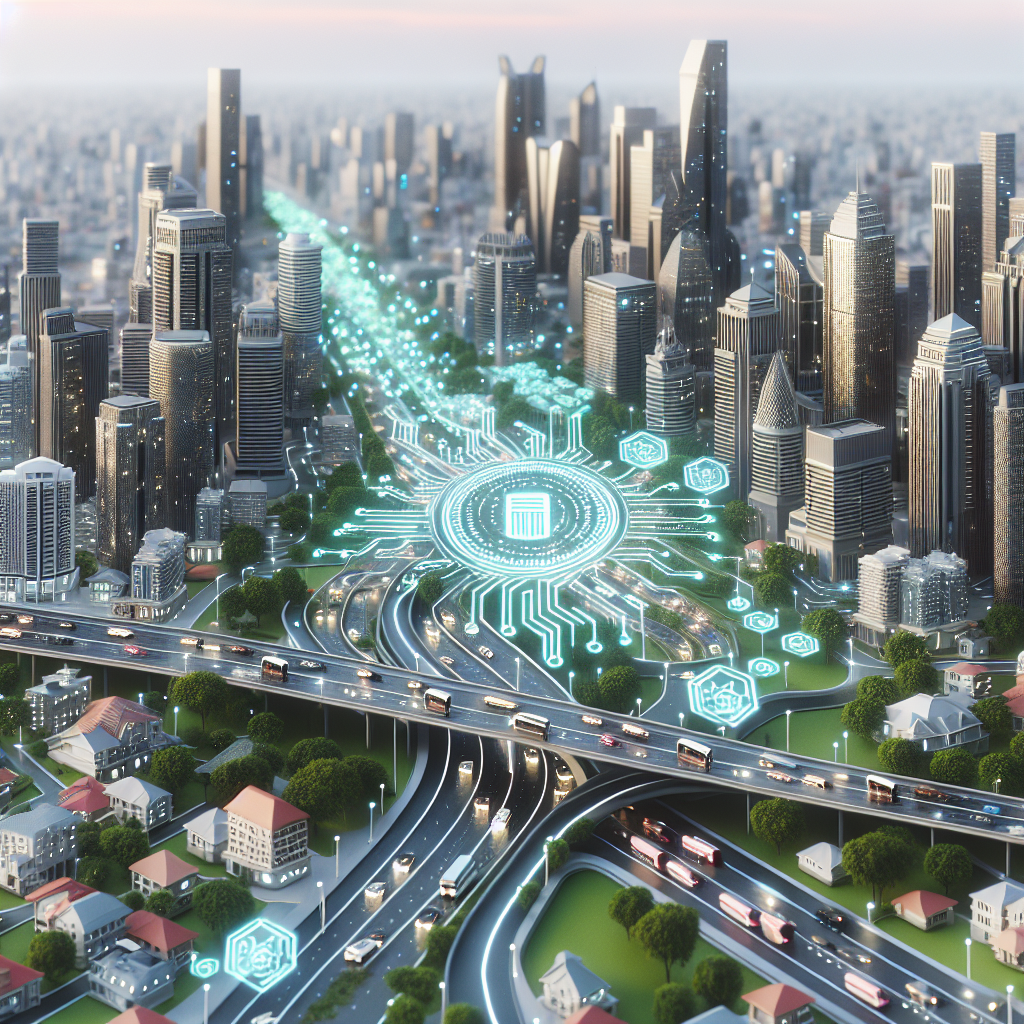
The Impact of AI on Urban Planning
Artificial Intelligence (AI) is revolutionizing various industries, and urban planning is no exception. AI has the potential to significantly impact the way cities are designed, developed, and managed. From improving transportation systems to enhancing sustainability efforts, AI is reshaping the way urban planners approach their work. This article will explore the impact of AI on urban planning and how it is changing the future of cities.
AI in Transportation Planning
One of the most significant impacts of AI on urban planning is in transportation. AI-powered algorithms can analyze vast amounts of data to optimize transportation systems, reduce congestion, and improve overall efficiency. For example, AI can be used to predict traffic patterns, suggest the most efficient routes, and even control traffic signals in real-time. This not only helps reduce traffic congestion but also lowers carbon emissions and improves air quality.
In addition, AI can help urban planners make data-driven decisions when designing transportation systems. By analyzing data on traffic flow, public transportation usage, and other factors, AI can provide valuable insights that can help planners create more efficient and sustainable transportation networks.
AI in Land Use Planning
Another area where AI is making a significant impact on urban planning is in land use planning. AI can analyze data on population growth, housing demand, and economic trends to help planners make informed decisions about where to develop new residential, commercial, and recreational areas. This can help cities better manage growth, prevent urban sprawl, and create more livable communities.
AI can also be used to predict the impact of development projects on the environment and infrastructure. By analyzing data on factors such as water usage, energy consumption, and waste generation, AI can help planners identify potential risks and develop strategies to mitigate them. This can help cities become more sustainable and resilient in the face of climate change and other challenges.
AI in Smart Cities
AI is also playing a key role in the development of smart cities. By integrating AI-powered technologies such as sensors, cameras, and data analytics, cities can collect and analyze real-time data to improve various aspects of urban life. For example, AI can be used to monitor air quality, detect infrastructure problems, and even predict and prevent crimes.
Smart cities powered by AI can also improve the quality of life for residents. For example, AI-powered systems can optimize public transportation routes, reduce energy consumption, and even help residents find parking spaces more easily. This can lead to a more efficient and sustainable urban environment that is more responsive to the needs of its residents.
Challenges and Considerations
While AI has the potential to revolutionize urban planning, there are also challenges and considerations that planners must take into account. For example, there are concerns about data privacy and security when it comes to collecting and analyzing vast amounts of data. Planners must ensure that they are using data responsibly and ethically to protect the privacy of residents.
Another challenge is the need for skilled professionals who can develop and implement AI-powered solutions in urban planning. Planners must be trained in AI technologies and data analytics to effectively leverage these tools in their work. Additionally, there may be resistance from residents who are concerned about the potential impact of AI on their communities. Planners must engage with residents and stakeholders to address their concerns and ensure that AI is being used in a way that benefits everyone.
FAQs
Q: How is AI being used in urban planning?
A: AI is being used in urban planning to optimize transportation systems, analyze land use data, and develop smart cities. AI-powered algorithms can analyze vast amounts of data to help planners make informed decisions about how to design and manage cities more efficiently and sustainably.
Q: What are the benefits of using AI in urban planning?
A: The benefits of using AI in urban planning include improved transportation systems, more efficient land use planning, and the development of smart cities. AI can help cities reduce congestion, lower carbon emissions, and improve the quality of life for residents.
Q: What are the challenges of using AI in urban planning?
A: Some of the challenges of using AI in urban planning include concerns about data privacy and security, the need for skilled professionals who can develop and implement AI-powered solutions, and resistance from residents who are concerned about the potential impact of AI on their communities. Planners must address these challenges to effectively leverage AI in their work.
Q: How can residents and stakeholders get involved in the use of AI in urban planning?
A: Residents and stakeholders can get involved in the use of AI in urban planning by engaging with planners, providing feedback on proposed projects, and participating in community meetings and workshops. By working together, residents and planners can ensure that AI is being used in a way that benefits everyone in the community.