
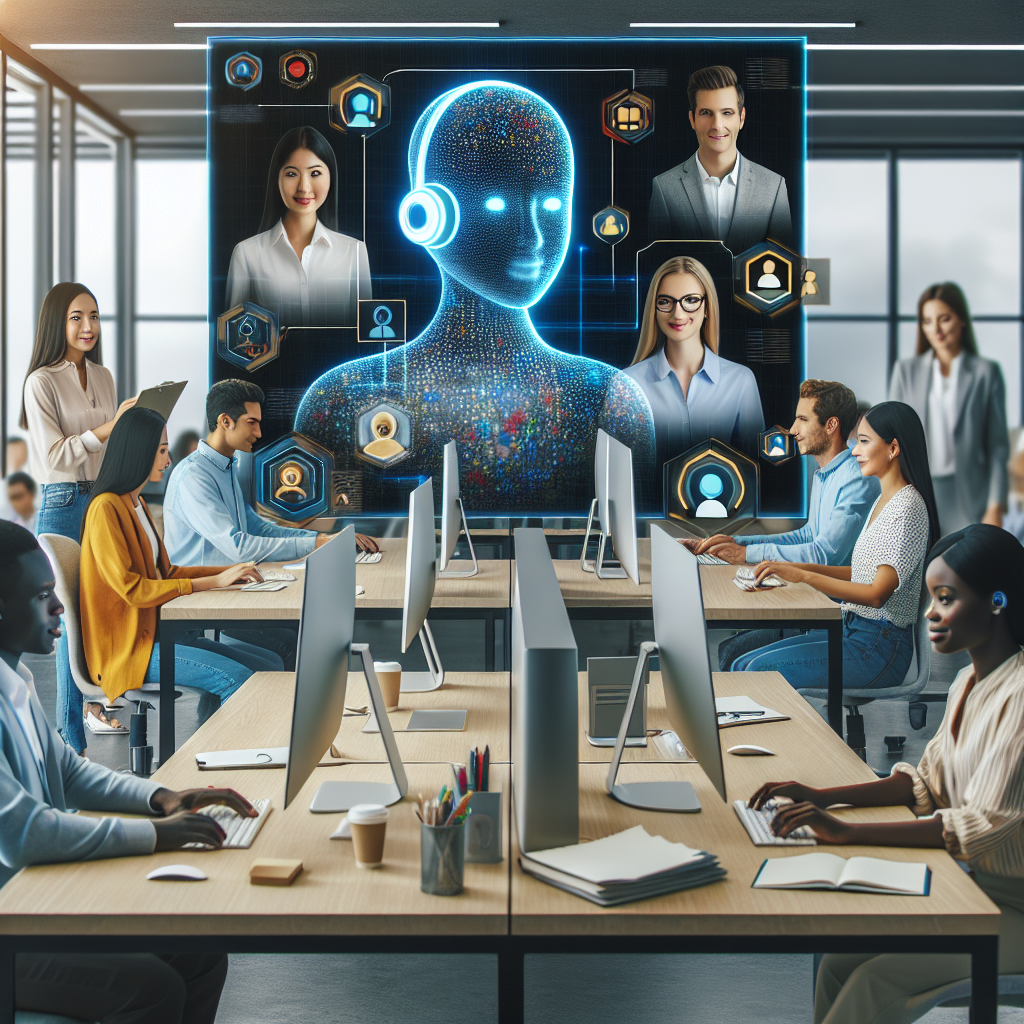
The Impact of AI Outsourcing on Employee Engagement
In recent years, the rise of artificial intelligence (AI) has revolutionized the way businesses operate. From automating repetitive tasks to enhancing customer service, AI has the potential to significantly improve efficiency and productivity in the workplace. However, as AI becomes more prevalent in the business world, there is growing concern about its impact on employee engagement.
One area where AI is having a significant impact on employee engagement is in outsourcing. Many businesses are turning to AI outsourcing to streamline their operations and cut costs. While AI outsourcing can bring many benefits to a company, it can also have a negative impact on employee engagement if not managed properly. In this article, we will explore the impact of AI outsourcing on employee engagement and provide some strategies for businesses to mitigate any negative effects.
Impact of AI Outsourcing on Employee Engagement
One of the main concerns about AI outsourcing is that it can lead to job displacement. As AI takes over more tasks traditionally performed by humans, there is a fear that many employees will be left without a job. This can have a significant impact on employee engagement, as workers who are worried about their job security are likely to be less motivated and engaged in their work.
Additionally, AI outsourcing can create a sense of distrust among employees. When tasks are outsourced to AI, employees may feel that their skills and expertise are being devalued. This can lead to a decrease in morale and motivation, as employees may feel that their contributions are no longer valued by the company.
Furthermore, AI outsourcing can also lead to a lack of communication and collaboration among employees. When tasks are automated and outsourced to AI, employees may have less interaction with their colleagues and managers. This can lead to a decrease in teamwork and collaboration, which are essential for a positive work environment and high levels of employee engagement.
Strategies to Mitigate Negative Effects
While AI outsourcing can have a negative impact on employee engagement, there are strategies that businesses can implement to mitigate these effects and ensure that their employees remain engaged and motivated.
1. Communication is key: It is essential for businesses to communicate openly and transparently with their employees about the use of AI outsourcing. Employees should be informed about why certain tasks are being outsourced to AI and how it will impact their roles. By keeping employees in the loop, businesses can help alleviate any fears or concerns that employees may have about job displacement.
2. Invest in employee training and development: To ensure that employees remain engaged and motivated, businesses should invest in training and development programs to help employees acquire new skills and adapt to the changing workplace. By providing employees with the opportunity to learn new skills and develop their expertise, businesses can help employees feel valued and invested in their work.
3. Foster a culture of collaboration: To combat the lack of communication and collaboration that can result from AI outsourcing, businesses should foster a culture of collaboration among employees. Encouraging teamwork and cooperation can help employees feel more connected to their colleagues and managers, leading to higher levels of employee engagement.
4. Recognize and reward employees: It is important for businesses to recognize and reward employees for their hard work and contributions, especially in the face of AI outsourcing. By acknowledging employees’ efforts and achievements, businesses can help boost morale and motivation, leading to higher levels of employee engagement.
5. Provide opportunities for advancement: To keep employees engaged and motivated, businesses should provide opportunities for advancement and career growth. By offering employees the chance to take on new challenges and responsibilities, businesses can help employees feel invested in their work and motivated to succeed.
FAQs
1. Will AI outsourcing lead to job loss?
While AI outsourcing may lead to some job displacement, it is important for businesses to communicate openly with employees about how AI will impact their roles and provide opportunities for training and development to help employees acquire new skills and adapt to the changing workplace.
2. How can businesses ensure that employees remain engaged in the face of AI outsourcing?
Businesses can ensure that employees remain engaged by fostering a culture of collaboration, recognizing and rewarding employees for their contributions, and providing opportunities for advancement and career growth.
3. What are some of the benefits of AI outsourcing for businesses?
AI outsourcing can bring many benefits to businesses, including increased efficiency, cost savings, and improved customer service. By automating repetitive tasks and streamlining operations, businesses can focus on more strategic initiatives and drive growth.
4. How can businesses mitigate the negative effects of AI outsourcing on employee engagement?
Businesses can mitigate the negative effects of AI outsourcing on employee engagement by communicating openly with employees, investing in training and development programs, fostering a culture of collaboration, recognizing and rewarding employees, and providing opportunities for advancement.
In conclusion, while AI outsourcing can have a significant impact on employee engagement, businesses can take steps to mitigate any negative effects and ensure that their employees remain engaged and motivated. By fostering a culture of collaboration, providing opportunities for advancement, and recognizing and rewarding employees, businesses can help employees adapt to the changing workplace and succeed in the age of AI.