
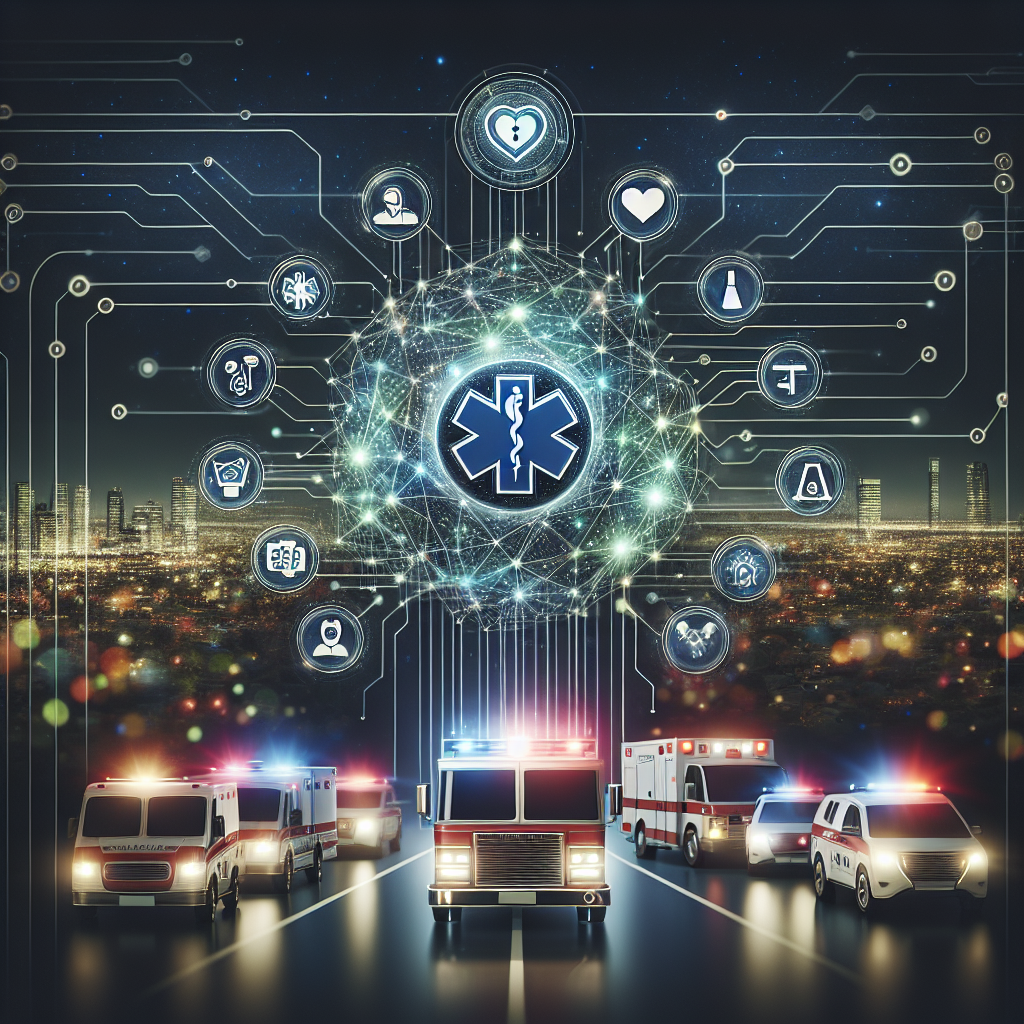
The Impact of AI Platforms on Emergency Response Systems
In recent years, the use of artificial intelligence (AI) platforms in emergency response systems has become increasingly prevalent. These platforms have the potential to revolutionize the way emergency services are delivered, making them more efficient, accurate, and responsive. In this article, we will explore the impact of AI platforms on emergency response systems, including their benefits, challenges, and future potential.
Benefits of AI Platforms in Emergency Response Systems
There are several key benefits of incorporating AI platforms into emergency response systems. Some of the most significant advantages include:
1. Improved Accuracy: AI platforms have the ability to process vast amounts of data in real-time, allowing them to quickly analyze and assess emergency situations with a high level of accuracy. This can help emergency responders make more informed decisions and take appropriate actions more quickly.
2. Faster Response Times: By automating certain tasks and processes, AI platforms can help emergency services respond to incidents more quickly and efficiently. For example, AI-powered dispatch systems can identify the closest available units and dispatch them to the scene faster than traditional methods.
3. Enhanced Resource Allocation: AI platforms can help emergency services optimize resource allocation by predicting where and when emergencies are likely to occur. This can help ensure that the right resources are in the right place at the right time, improving overall response times and outcomes.
4. Improved Communication: AI platforms can facilitate better communication between emergency responders, dispatchers, and other stakeholders. For example, AI-powered chatbots can provide real-time updates and information to first responders in the field, helping them make better decisions and coordinate their efforts more effectively.
Challenges of AI Platforms in Emergency Response Systems
While the potential benefits of AI platforms in emergency response systems are significant, there are also several challenges that need to be addressed. Some of the key challenges include:
1. Data Privacy and Security: AI platforms rely on vast amounts of data to operate effectively, raising concerns about data privacy and security. Emergency response systems must ensure that sensitive information is protected and that AI algorithms are not biased or discriminatory.
2. Training and Education: Implementing AI platforms in emergency response systems requires specialized training and education for personnel. It is essential that emergency responders understand how to use AI tools effectively and ethically, as well as how to interpret and act on the insights provided by AI algorithms.
3. Integration with Existing Systems: Integrating AI platforms with existing emergency response systems can be complex and time-consuming. It is essential that AI technologies are seamlessly integrated with other systems and processes to maximize their effectiveness and impact.
4. Ethical and Legal Considerations: AI platforms raise ethical and legal considerations, particularly around issues such as accountability, transparency, and bias. Emergency response systems must ensure that AI algorithms are fair, unbiased, and accountable for their decisions and actions.
Future Potential of AI Platforms in Emergency Response Systems
Despite the challenges, the future potential of AI platforms in emergency response systems is significant. As AI technologies continue to advance and evolve, they have the potential to transform emergency services in a variety of ways. Some of the key areas where AI platforms may have a significant impact in the future include:
1. Predictive Analytics: AI platforms can help emergency services predict and prevent emergencies before they occur. By analyzing historical data and identifying patterns and trends, AI algorithms can help identify high-risk areas and populations, allowing emergency responders to take proactive measures to mitigate risks and improve outcomes.
2. Autonomous Vehicles: AI-powered autonomous vehicles have the potential to revolutionize emergency response systems by providing fast, reliable, and efficient transportation for emergency responders and patients. Autonomous vehicles can navigate traffic more effectively and safely than human drivers, reducing response times and improving overall outcomes.
3. Remote Monitoring: AI platforms can help emergency services remotely monitor patients and incidents, providing real-time updates and information to first responders and medical personnel. For example, AI-powered sensors and devices can monitor vital signs and alert emergency services to potential emergencies before they escalate.
4. Natural Language Processing: AI-powered natural language processing can help emergency responders communicate more effectively with individuals in distress. For example, AI-powered chatbots can provide real-time translation services and assist individuals with limited English proficiency or communication disabilities.
FAQs
Q: How can AI platforms improve emergency response times?
A: AI platforms can improve emergency response times by automating certain tasks and processes, optimizing resource allocation, and facilitating better communication between emergency responders, dispatchers, and other stakeholders.
Q: What are some of the key benefits of incorporating AI platforms into emergency response systems?
A: Some of the key benefits of AI platforms in emergency response systems include improved accuracy, faster response times, enhanced resource allocation, and improved communication.
Q: What are some of the key challenges of implementing AI platforms in emergency response systems?
A: Some of the key challenges of implementing AI platforms in emergency response systems include data privacy and security concerns, training and education requirements, integration with existing systems, and ethical and legal considerations.
Q: What is the future potential of AI platforms in emergency response systems?
A: The future potential of AI platforms in emergency response systems is significant, with opportunities for predictive analytics, autonomous vehicles, remote monitoring, and natural language processing to transform emergency services in a variety of ways.