
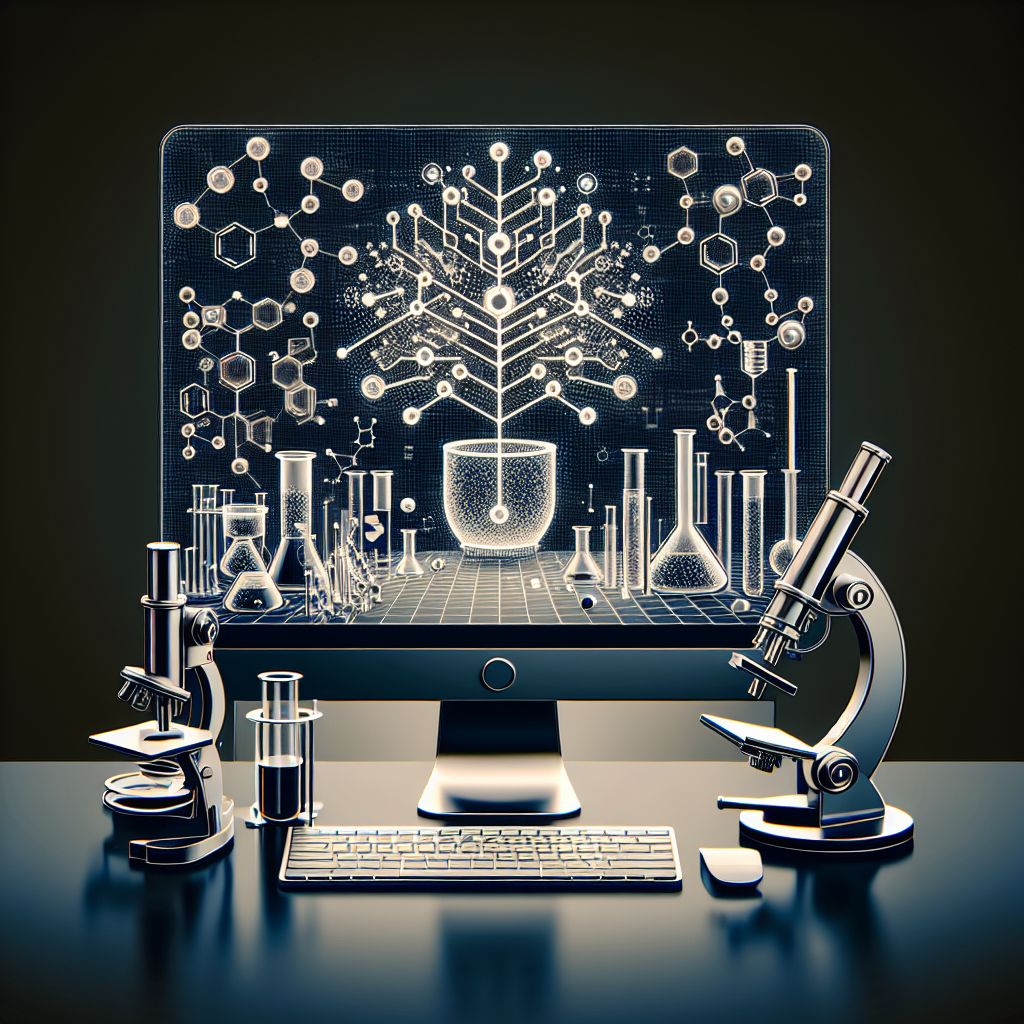
In recent years, the field of drug discovery has been revolutionized by the integration of artificial intelligence (AI) software. AI algorithms have the ability to analyze vast amounts of data, identify patterns, and make predictions with a level of speed and accuracy that is unmatched by traditional methods. This has led to a significant increase in the efficiency and success rate of drug discovery efforts, as well as the development of new and innovative treatments for a wide range of diseases.
The impact of AI software on drug discovery can be seen in several key areas:
1. Accelerated Screening Processes: One of the most time-consuming and labor-intensive aspects of drug discovery is the screening of potential drug candidates. AI software can analyze massive datasets of chemical compounds and predict which ones are most likely to be effective in treating a specific disease. This greatly speeds up the screening process, allowing researchers to focus their efforts on the most promising candidates.
2. Predictive Modeling: AI algorithms can also be used to predict the efficacy and safety of potential drug candidates before they are tested in clinical trials. This can help researchers prioritize which compounds to pursue further, saving time and resources that would otherwise be spent on less promising candidates.
3. Personalized Medicine: AI software can analyze genetic and clinical data to identify subpopulations of patients who are most likely to respond to a particular treatment. This has led to the development of personalized medicine, where treatments are tailored to the specific characteristics of individual patients, leading to better outcomes and fewer side effects.
4. Drug Repurposing: AI algorithms can also be used to identify existing drugs that may be effective in treating new diseases. By analyzing the molecular structure of drugs and their known effects, AI software can suggest new uses for existing medications, saving time and resources that would otherwise be spent developing new drugs from scratch.
5. Collaboration and Data Sharing: AI software has also facilitated collaboration between researchers and institutions by enabling the sharing of data and research findings in a secure and efficient manner. This has led to a more collaborative and open approach to drug discovery, allowing researchers to build on each other’s work and accelerate the pace of innovation.
Overall, the impact of AI software on drug discovery has been profound, leading to a more efficient, effective, and innovative approach to developing new treatments for a wide range of diseases. As AI technology continues to advance, we can expect even greater breakthroughs in drug discovery in the years to come.
FAQs:
Q: How does AI software improve the efficiency of drug discovery?
A: AI software can analyze vast amounts of data, identify patterns, and make predictions with a level of speed and accuracy that is unmatched by traditional methods. This allows researchers to screen potential drug candidates more quickly, predict the efficacy and safety of compounds before testing them in clinical trials, and identify existing drugs that may be effective in treating new diseases.
Q: What is personalized medicine and how is AI software used in its development?
A: Personalized medicine is an approach to healthcare that tailors treatments to the specific characteristics of individual patients. AI software can analyze genetic and clinical data to identify subpopulations of patients who are most likely to respond to a particular treatment. This has led to the development of personalized medicine, where treatments are customized to the unique needs of each patient.
Q: How does AI software facilitate collaboration and data sharing in drug discovery?
A: AI software enables the sharing of data and research findings in a secure and efficient manner, facilitating collaboration between researchers and institutions. This has led to a more collaborative and open approach to drug discovery, allowing researchers to build on each other’s work and accelerate the pace of innovation.
Q: What are some examples of successful drug discovery efforts that have been enabled by AI software?
A: There have been several successful drug discovery efforts that have been enabled by AI software. For example, Atomwise, a company that uses AI algorithms to screen potential drug candidates, has identified new treatments for diseases such as Ebola and multiple sclerosis. Another example is BenevolentAI, which uses AI technology to identify existing drugs that may be effective in treating new diseases, such as a potential treatment for amyotrophic lateral sclerosis (ALS).
In conclusion, the impact of AI software on drug discovery has been transformative, leading to a more efficient, effective, and innovative approach to developing new treatments for a wide range of diseases. As AI technology continues to advance, we can expect even greater breakthroughs in drug discovery in the future.