
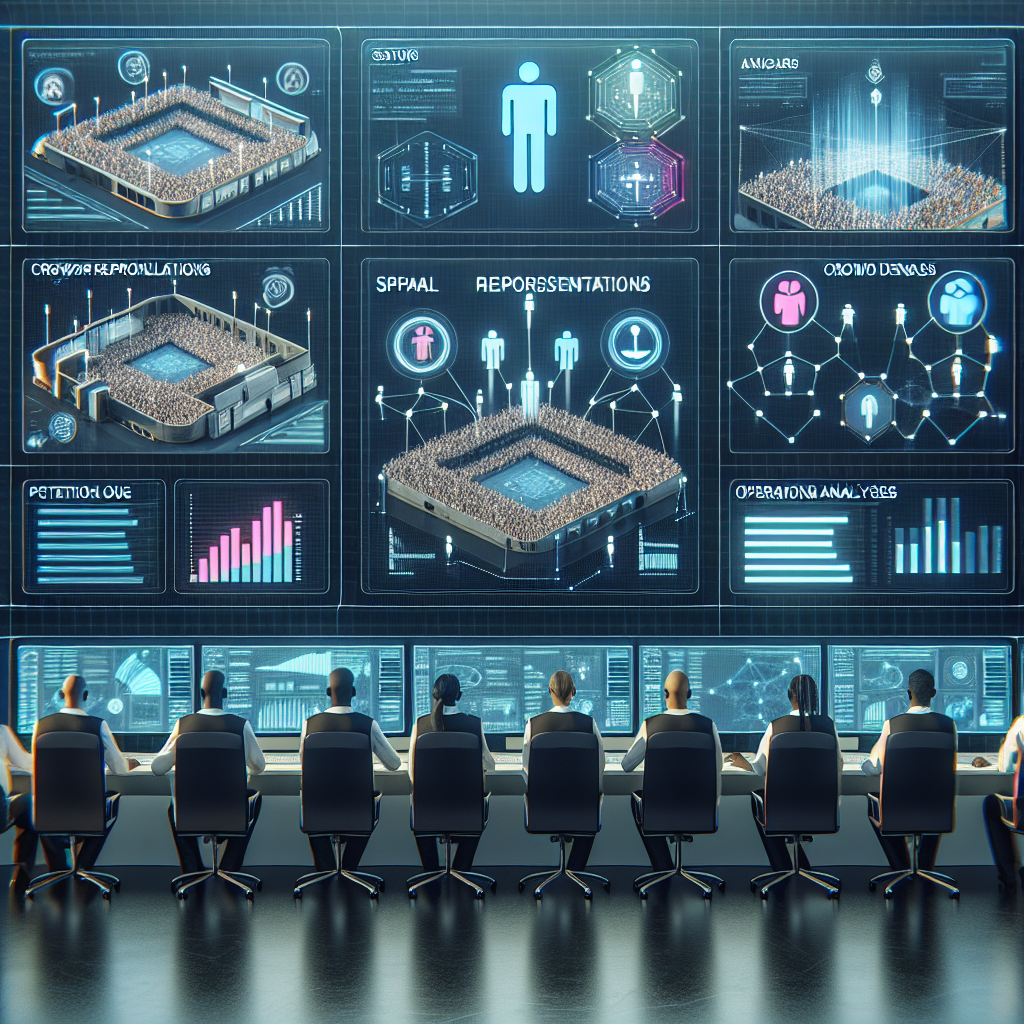
In recent years, artificial intelligence (AI) has been increasingly utilized in various industries to improve efficiency, accuracy, and overall performance. One area where AI has made a significant impact is event security. By harnessing the power of AI, event organizers can enhance safety and monitoring measures to ensure the well-being of attendees and staff. In this article, we will explore the influence of AI on event security and how it can help in creating a secure environment for all participants.
AI technology has the ability to analyze vast amounts of data in real-time, which is crucial for event security. Through the use of AI-powered surveillance cameras, organizers can monitor crowds, detect suspicious behavior, and identify potential threats before they escalate. This proactive approach to security allows for a faster response time and can prevent incidents from occurring.
One of the key benefits of using AI for event security is the ability to automate tasks that would typically require human intervention. For example, AI-powered software can automatically track the movement of individuals within a venue, flagging any unusual behavior for further investigation. This frees up security personnel to focus on more critical tasks, such as responding to emergencies or managing crowd control.
Another advantage of AI in event security is its ability to analyze data from multiple sources to provide a comprehensive view of the security situation. By integrating data from surveillance cameras, access control systems, and social media monitoring tools, organizers can gain valuable insights into potential risks and vulnerabilities. This holistic approach to security allows for a more effective response to threats and ensures that all areas of the event are adequately monitored.
AI can also be used to enhance the efficiency of security screening processes. By using facial recognition technology, organizers can quickly identify individuals on watchlists or track the movement of known threats. This can help to prevent unauthorized access to the event and ensure that only authorized individuals are allowed entry. Additionally, AI-powered screening tools can detect hidden weapons or suspicious objects, further enhancing the security measures in place.
In addition to enhancing security measures, AI can also help to improve the overall experience for event attendees. By analyzing data on crowd behavior and preferences, organizers can tailor the event to better meet the needs of participants. For example, AI can help to optimize traffic flow within the venue, reduce wait times at security checkpoints, and provide personalized recommendations for food and beverage options. This can lead to a more seamless and enjoyable experience for attendees, while also ensuring their safety and security.
Despite the many benefits of using AI for event security, there are also potential challenges and concerns that organizers should be aware of. One of the main concerns is the issue of privacy and data security. As AI technology relies on collecting and analyzing vast amounts of data, there is a risk that sensitive information could be compromised or misused. Organizers must ensure that proper protocols are in place to protect the privacy of attendees and comply with data protection regulations.
Another challenge is the potential for AI to be hacked or manipulated by malicious actors. As AI systems become more sophisticated, they also become more vulnerable to cyber attacks. Organizers must implement robust cybersecurity measures to safeguard their AI systems and prevent unauthorized access to sensitive information.
In conclusion, the influence of AI on event security is significant and has the potential to revolutionize the way that events are managed and secured. By leveraging the power of AI technology, organizers can enhance safety measures, improve monitoring capabilities, and provide a more enjoyable experience for attendees. However, it is crucial that organizers remain vigilant and proactive in addressing the challenges and concerns associated with AI technology to ensure that events are safe, secure, and successful.
—
FAQs
Q: How can AI technology improve event security?
A: AI technology can improve event security by analyzing vast amounts of data in real-time, automating security tasks, providing a comprehensive view of the security situation, enhancing security screening processes, and optimizing the overall experience for attendees.
Q: What are some potential challenges of using AI for event security?
A: Some potential challenges of using AI for event security include concerns about privacy and data security, the risk of AI systems being hacked or manipulated by malicious actors, and the need for robust cybersecurity measures to safeguard sensitive information.
Q: How can organizers ensure the privacy and data security of attendees when using AI for event security?
A: Organizers can ensure the privacy and data security of attendees by implementing proper protocols to protect sensitive information, complying with data protection regulations, and implementing robust cybersecurity measures to prevent unauthorized access to AI systems.
Q: What steps can organizers take to address the challenges and concerns associated with using AI for event security?
A: Organizers can address the challenges and concerns associated with using AI for event security by remaining vigilant and proactive in addressing privacy and data security issues, implementing robust cybersecurity measures, and staying informed about the latest developments in AI technology.