
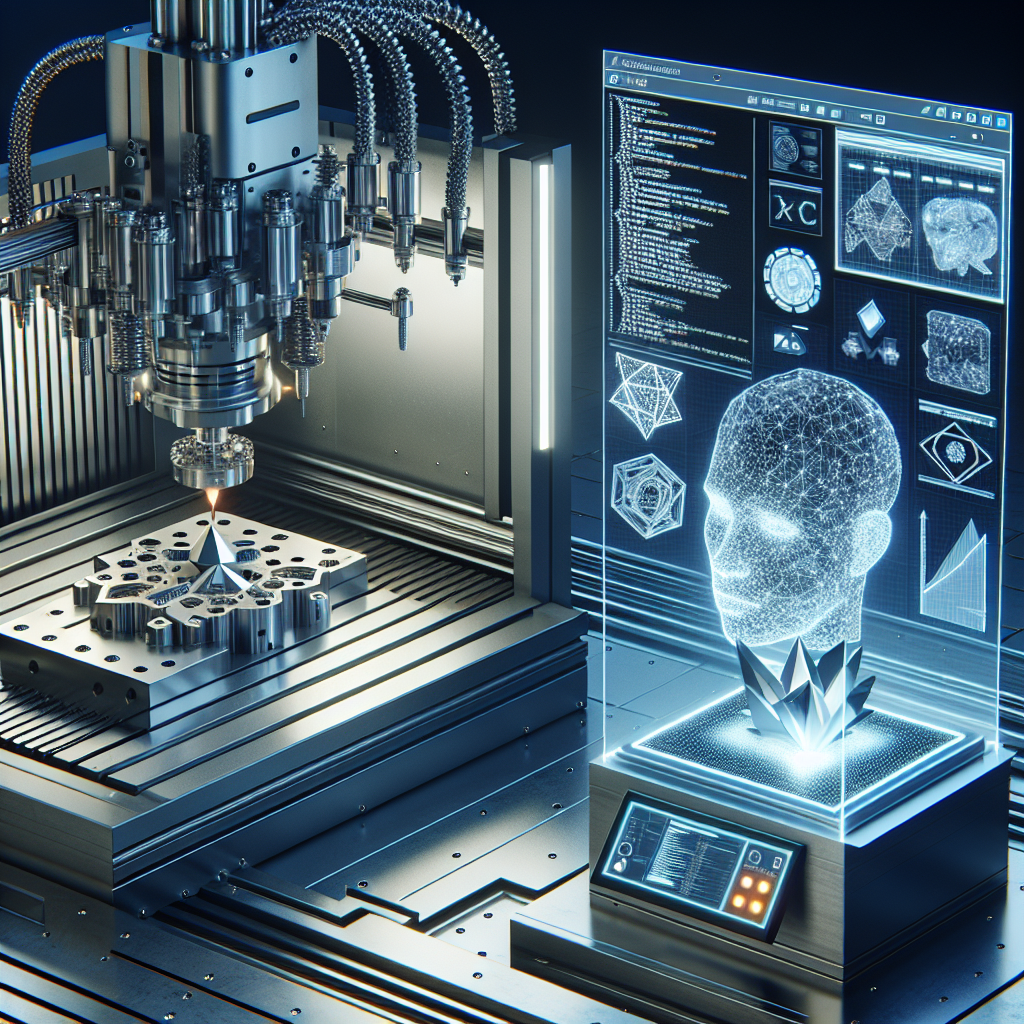
The integration of artificial intelligence (AI) in computer numerical control (CNC) machining has revolutionized the manufacturing industry by increasing productivity, improving accuracy, and reducing downtime. AI technology allows machines to learn from data, adapt to changing conditions, and make decisions without human intervention. In this article, we will explore the benefits of AI in CNC machining, how it works, and common FAQs about this innovative technology.
Benefits of AI in CNC Machining
1. Improved Efficiency: AI algorithms can optimize tool paths, speed, and feeds based on real-time data, reducing cycle times and increasing productivity. This results in faster turnaround times and higher throughput for manufacturers.
2. Enhanced Accuracy: AI can analyze and predict machining errors, adjust parameters in real-time, and minimize scrap and rework. This leads to higher quality parts and lower production costs.
3. Predictive Maintenance: AI-powered sensors can monitor machine health and performance, detect anomalies, and schedule maintenance before breakdowns occur. This reduces unplanned downtime and extends the lifespan of equipment.
4. Adaptive Machining: AI algorithms can adjust cutting parameters based on material properties, tool wear, and machine capabilities. This ensures consistent performance and optimal results regardless of variations in the production environment.
5. Cost Savings: By optimizing processes, reducing waste, and improving quality, AI in CNC machining can lower operating costs and increase profitability for manufacturers.
How AI Works in CNC Machining
AI technology in CNC machining involves the use of machine learning and predictive analytics to enhance performance and efficiency. Here is a step-by-step overview of how AI works in this context:
1. Data Collection: Sensors attached to CNC machines collect data on cutting parameters, tool wear, material properties, and environmental conditions. This data is transmitted to a central database for analysis.
2. Data Analysis: AI algorithms process the collected data to identify patterns, trends, and correlations that can improve machining processes. The algorithms learn from historical data and adjust their models based on new information.
3. Decision Making: Based on the analysis of data, AI algorithms make real-time decisions on tool paths, speed, feeds, and other parameters to optimize machining operations. These decisions are continuously refined as more data is collected and analyzed.
4. Predictive Maintenance: AI algorithms monitor machine health and performance to predict potential failures and schedule maintenance proactively. This minimizes downtime and ensures optimal machine performance.
5. Continuous Improvement: AI in CNC machining is a self-learning system that continuously adapts to changing conditions, new data, and evolving requirements. This results in ongoing improvements in efficiency, accuracy, and quality.
FAQs about AI in CNC Machining
Q: What types of CNC machines can benefit from AI integration?
A: AI can be integrated into various types of CNC machines, including milling machines, lathes, grinders, and EDM (electrical discharge machining) equipment. The benefits of AI in CNC machining are applicable across a wide range of manufacturing processes and industries.
Q: How does AI in CNC machining affect operator roles and responsibilities?
A: AI in CNC machining does not replace operators but enhances their capabilities. Operators are still required to set up machines, monitor operations, and intervene when necessary. However, AI technology can automate routine tasks, optimize processes, and provide operators with real-time insights to make informed decisions.
Q: Is AI in CNC machining expensive to implement?
A: The cost of implementing AI in CNC machining can vary depending on the complexity of the system, the size of the operation, and the level of customization required. However, the long-term benefits of AI, such as increased productivity, improved quality, and reduced downtime, often outweigh the initial investment.
Q: How secure is AI in CNC machining?
A: Cybersecurity is a critical consideration when implementing AI in CNC machining. Manufacturers must ensure that data collected and analyzed by AI algorithms is secure and protected from unauthorized access. Robust cybersecurity measures, such as encryption, access controls, and data backups, are essential to safeguard sensitive information.
Q: What are the future trends in AI for CNC machining?
A: The future of AI in CNC machining is likely to focus on advanced technologies such as machine vision, robotic automation, and augmented reality. These innovations will further enhance efficiency, accuracy, and flexibility in manufacturing processes, leading to increased competitiveness and profitability for manufacturers.
In conclusion, the integration of AI in CNC machining has transformed the manufacturing industry by enabling machines to learn, adapt, and optimize processes in real-time. The benefits of AI technology, such as improved efficiency, enhanced accuracy, predictive maintenance, cost savings, and continuous improvement, make it a valuable asset for manufacturers seeking to stay ahead in a competitive market. By understanding how AI works in CNC machining and addressing common FAQs about this innovative technology, manufacturers can harness its potential to drive innovation, increase productivity, and achieve sustainable growth.