
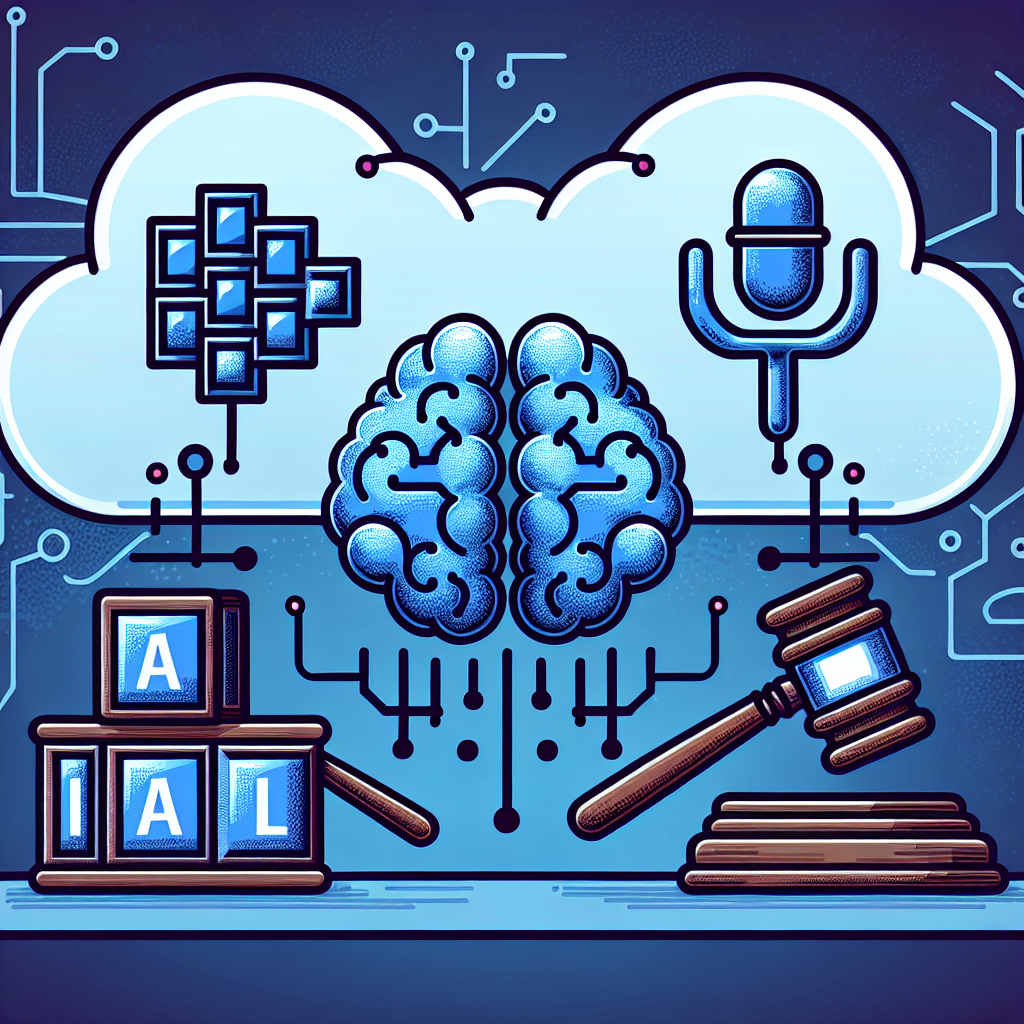
The Intersection of AI and Cloud Governance
In recent years, the rise of artificial intelligence (AI) and cloud computing has transformed the way businesses operate. AI technologies have enabled organizations to automate tasks, analyze data at scale, and make more informed decisions. Cloud computing, on the other hand, has provided businesses with the flexibility and scalability to store, manage, and process vast amounts of data.
The intersection of AI and cloud governance has become increasingly important as businesses look to leverage these technologies to drive innovation and competitive advantage. In this article, we will explore how AI and cloud governance intersect, the challenges businesses face in managing these technologies, and best practices for ensuring effective governance.
What is AI and Cloud Governance?
AI and cloud governance refer to the policies, processes, and controls that organizations put in place to manage their AI and cloud computing initiatives. Governance is essential to ensure that organizations use these technologies effectively, securely, and in compliance with regulations.
AI governance involves establishing guidelines for the development, deployment, and use of AI technologies within an organization. This includes defining the roles and responsibilities of stakeholders, ensuring transparency and accountability in AI decision-making, and managing ethical considerations related to AI applications.
Cloud governance, on the other hand, focuses on managing the use of cloud computing resources within an organization. This includes defining cloud usage policies, monitoring cloud resource consumption, and ensuring data security and compliance with regulatory requirements.
The intersection of AI and cloud governance occurs when organizations deploy AI applications in cloud environments. This raises unique challenges related to data security, compliance, and resource management that organizations must address to effectively govern their AI and cloud initiatives.
Challenges in AI and Cloud Governance
Managing AI and cloud governance presents several challenges for organizations. Some of the key challenges include:
1. Data Security: AI applications require access to vast amounts of data to train machine learning models and make predictions. Storing and processing this data in cloud environments increases the risk of data breaches and unauthorized access. Organizations must implement robust data security measures to protect sensitive information and ensure compliance with data privacy regulations.
2. Compliance: AI and cloud computing are subject to a complex regulatory landscape, including data protection laws, industry-specific regulations, and international standards. Organizations must ensure that their AI and cloud initiatives comply with these regulations to avoid legal and financial penalties.
3. Resource Management: Cloud computing offers organizations the flexibility to scale their computing resources on-demand. However, this flexibility can lead to inefficient resource utilization and increased costs. Organizations must implement cloud governance practices to monitor resource consumption, optimize resource allocation, and control costs.
4. Ethical Considerations: AI technologies raise ethical considerations related to bias, fairness, and transparency in decision-making. Organizations must establish ethical guidelines for the development and deployment of AI applications to ensure that these technologies are used responsibly and in the best interests of society.
Best Practices for AI and Cloud Governance
To overcome the challenges in managing AI and cloud governance, organizations can adopt several best practices:
1. Establish Clear Governance Frameworks: Organizations should define clear governance frameworks for AI and cloud initiatives, including policies, processes, and controls. These frameworks should outline the roles and responsibilities of stakeholders, establish guidelines for data security and compliance, and address ethical considerations related to AI applications.
2. Implement Data Security Measures: Organizations should implement robust data security measures to protect sensitive information in AI and cloud environments. This includes encrypting data at rest and in transit, implementing access controls and authentication mechanisms, and monitoring data access and usage.
3. Monitor Resource Consumption: Organizations should monitor resource consumption in cloud environments to optimize resource allocation, control costs, and ensure efficient utilization of computing resources. This includes implementing cloud governance tools to track resource usage, identify bottlenecks, and make informed decisions about resource allocation.
4. Address Compliance Requirements: Organizations should ensure that their AI and cloud initiatives comply with regulatory requirements, including data protection laws, industry-specific regulations, and international standards. This includes conducting regular audits, implementing compliance monitoring tools, and establishing processes for reporting and remediation.
5. Establish Ethical Guidelines: Organizations should establish ethical guidelines for the development and deployment of AI applications to address bias, fairness, and transparency in decision-making. This includes conducting ethical impact assessments, engaging with stakeholders to understand ethical concerns, and implementing mechanisms for ethical oversight and accountability.
FAQs
1. What is the difference between AI governance and cloud governance?
AI governance focuses on managing the development, deployment, and use of AI technologies within an organization, while cloud governance focuses on managing the use of cloud computing resources. The intersection of AI and cloud governance occurs when organizations deploy AI applications in cloud environments, raising unique challenges related to data security, compliance, and resource management.
2. Why is data security important in AI and cloud governance?
Data security is important in AI and cloud governance to protect sensitive information, prevent data breaches, and ensure compliance with data privacy regulations. AI applications require access to vast amounts of data to train machine learning models and make predictions, making data security a critical consideration in managing AI initiatives in cloud environments.
3. How can organizations address compliance requirements in AI and cloud governance?
Organizations can address compliance requirements in AI and cloud governance by conducting regular audits, implementing compliance monitoring tools, and establishing processes for reporting and remediation. This includes ensuring that their AI and cloud initiatives comply with data protection laws, industry-specific regulations, and international standards to avoid legal and financial penalties.
4. What are some best practices for managing AI and cloud governance?
Some best practices for managing AI and cloud governance include establishing clear governance frameworks, implementing data security measures, monitoring resource consumption, addressing compliance requirements, and establishing ethical guidelines for the development and deployment of AI applications. These best practices can help organizations overcome the challenges in managing AI and cloud governance and drive innovation and competitive advantage.
In conclusion, the intersection of AI and cloud governance presents unique challenges for organizations as they look to leverage these technologies to drive innovation and competitive advantage. By adopting best practices for managing AI and cloud governance, organizations can address data security, compliance, resource management, and ethical considerations to ensure the effective and responsible use of AI applications in cloud environments.