
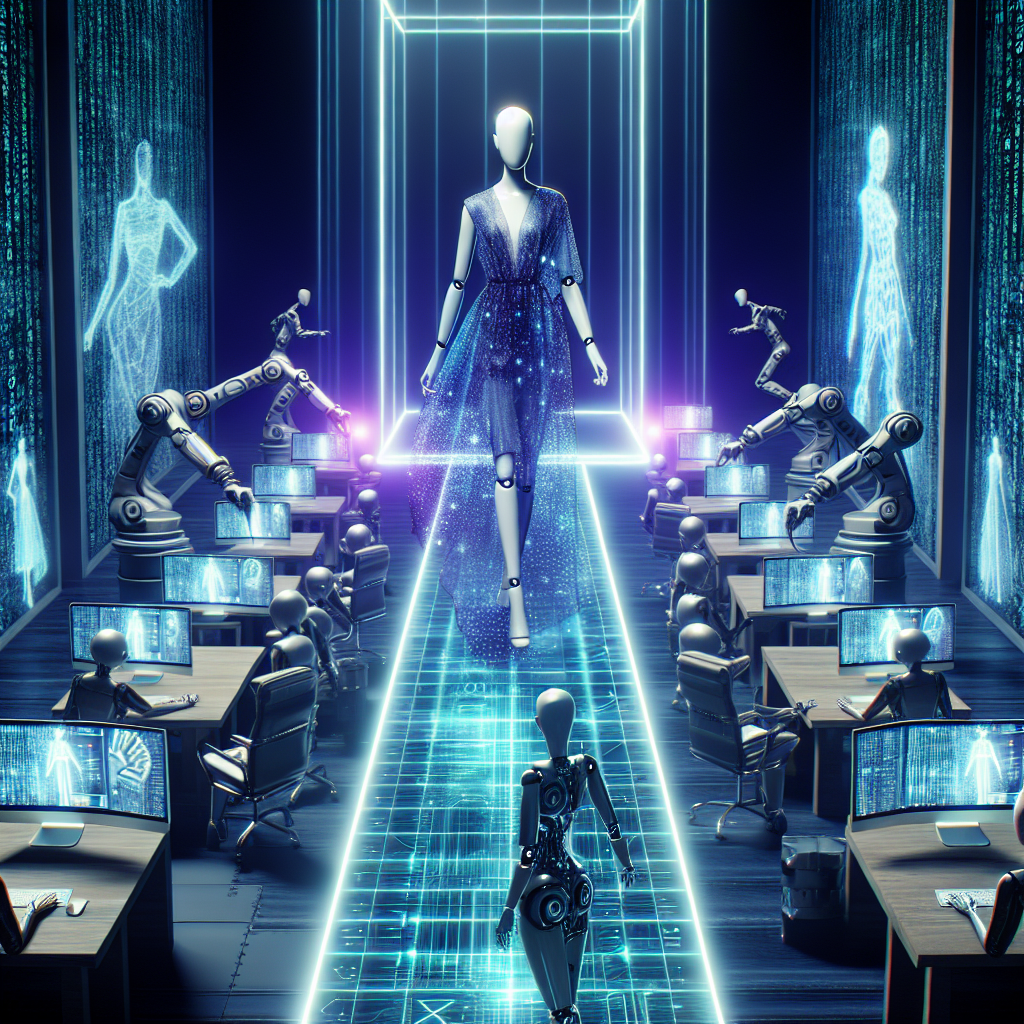
Fashion and technology have long been intertwined, with each industry influencing and inspiring the other in various ways. In recent years, the intersection of fashion and technology has taken on a new dimension with the rise of artificial intelligence (AI). AI is revolutionizing the way we create, design, market, and consume fashion, leading to exciting innovations and possibilities in the industry.
AI in Fashion Design
One of the most significant impacts of AI in the fashion industry is in the realm of design. AI algorithms can analyze vast amounts of data from social media, fashion trends, and consumer preferences to generate design ideas and patterns. This can help designers streamline the creative process, save time, and create more personalized and targeted designs. AI can also be used to predict trends and forecast demand, helping fashion brands stay ahead of the curve and optimize their production processes.
Several companies are already using AI to create innovative designs. For example, the fashion brand Tommy Hilfiger partnered with the AI company IBM Watson to create a collection called “Reimagine” that was designed using AI algorithms. The collection featured unique prints and patterns inspired by Tommy Hilfiger’s archives, demonstrating the potential of AI in pushing the boundaries of fashion design.
AI in Fashion Retail
AI is also transforming the way we shop for fashion. Virtual try-on technology powered by AI allows customers to try on clothes virtually, helping them make more informed purchasing decisions without having to visit a physical store. AI-powered recommendation systems can analyze a customer’s preferences, past purchases, and browsing history to suggest personalized clothing items, creating a more personalized and engaging shopping experience.
AI is also being used to optimize inventory management and supply chain operations in the fashion industry. By analyzing data on sales trends, customer demand, and production costs, AI algorithms can help fashion brands better forecast demand, reduce waste, and improve efficiency in their supply chain processes.
AI in Fashion Marketing
AI is also revolutionizing the way fashion brands market their products. AI-powered tools can analyze social media data, consumer behavior, and market trends to create targeted advertising campaigns that reach the right audience at the right time. AI can also help brands personalize their marketing messages and create more engaging and relevant content that resonates with consumers.
AI is also being used to enhance the customer experience in fashion retail. Chatbots powered by AI can provide personalized styling advice, answer customer queries, and assist with purchases, creating a more interactive and seamless shopping experience for customers.
FAQs
What are some examples of AI in fashion design?
Several companies are already using AI to create innovative designs. For example, the fashion brand Tommy Hilfiger partnered with the AI company IBM Watson to create a collection called “Reimagine” that was designed using AI algorithms. The collection featured unique prints and patterns inspired by Tommy Hilfiger’s archives, demonstrating the potential of AI in pushing the boundaries of fashion design.
How is AI transforming the fashion retail industry?
AI is transforming the fashion retail industry in several ways. Virtual try-on technology powered by AI allows customers to try on clothes virtually, helping them make more informed purchasing decisions without having to visit a physical store. AI-powered recommendation systems can analyze a customer’s preferences, past purchases, and browsing history to suggest personalized clothing items, creating a more personalized and engaging shopping experience.
How is AI being used in fashion marketing?
AI is revolutionizing the way fashion brands market their products. AI-powered tools can analyze social media data, consumer behavior, and market trends to create targeted advertising campaigns that reach the right audience at the right time. AI can also help brands personalize their marketing messages and create more engaging and relevant content that resonates with consumers.
In conclusion, the intersection of fashion and technology, particularly AI, is transforming the fashion industry in exciting and innovative ways. From design to retail to marketing, AI is revolutionizing every aspect of the fashion industry, creating new opportunities for brands to engage with consumers and stay ahead of the curve. As AI continues to evolve and expand its capabilities, we can expect even more groundbreaking innovations in the fashion industry in the years to come.