
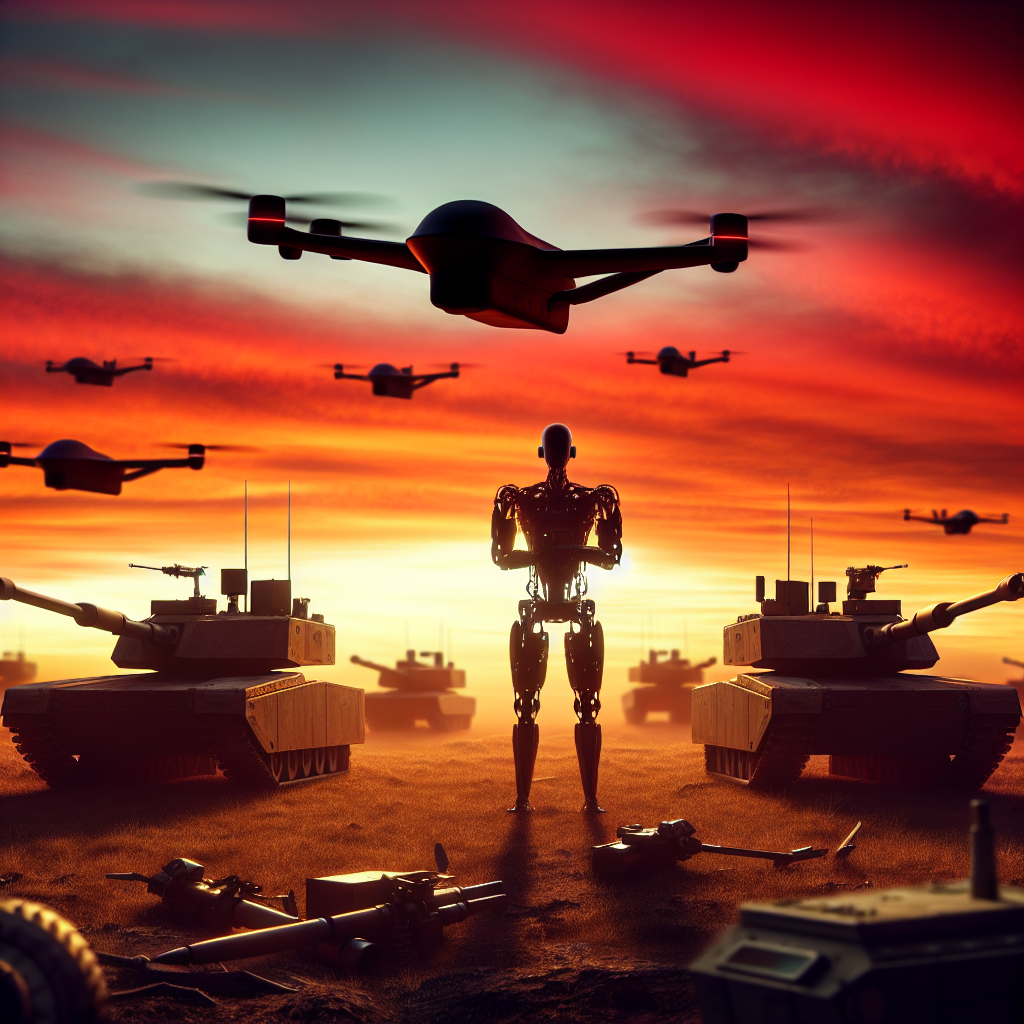
The Potential Dangers of AI in Warfare
Artificial Intelligence (AI) has the potential to revolutionize the way wars are fought, with the ability to enhance decision-making, improve targeting accuracy, and reduce casualties. However, the rapid development of AI in the military domain also raises serious concerns about the ethical and legal implications of using autonomous weapons systems in warfare. The potential dangers of AI in warfare are numerous and must be carefully considered by policymakers, military leaders, and the public.
One of the primary concerns about AI in warfare is the potential for autonomous weapons systems to make life-and-death decisions without human intervention. While AI has the ability to process vast amounts of data and make split-second decisions, there are serious questions about the morality of allowing machines to determine who lives and who dies on the battlefield. The lack of human oversight in AI-driven weapons systems raises the risk of unintended consequences, including civilian casualties and violations of international humanitarian law.
Another danger of AI in warfare is the potential for these systems to be hacked or manipulated by malicious actors. As AI becomes more sophisticated and autonomous, the risk of cyber attacks on military AI systems increases. Hackers could potentially take control of AI-driven weapons systems, redirecting them to attack civilian targets or friendly forces. The prospect of AI being weaponized by hostile actors poses a significant threat to global security and stability.
Furthermore, the use of AI in warfare raises concerns about accountability and responsibility. In the event of AI-driven weapons systems causing harm or committing war crimes, who would be held accountable? Would it be the programmers who developed the AI algorithms, the military commanders who deployed the systems, or the AI itself? The lack of clarity around accountability in the use of AI in warfare is a significant ethical and legal challenge that must be addressed.
Additionally, the proliferation of AI in warfare could lead to an escalation of conflicts and an arms race between nations. As more countries develop and deploy AI-driven weapons systems, there is a risk of a new arms race that could increase the likelihood of conflict and undermine global stability. The rapid development of AI in the military domain has the potential to disrupt the balance of power between nations and increase the risk of conflict escalation.
The use of AI in warfare also raises concerns about bias and discrimination. AI algorithms are only as good as the data they are trained on, and there is a risk that biases in the training data could lead to discriminatory outcomes in military operations. For example, AI-driven weapons systems could inadvertently target specific ethnic or religious groups based on biased data, leading to human rights violations and exacerbating existing conflicts.
Moreover, the use of AI in warfare could erode human dignity and devalue human life. The increasing reliance on AI-driven weapons systems could lead to a dehumanization of warfare, with machines making life-and-death decisions without regard for the moral and ethical considerations that humans bring to the battlefield. The potential for AI to reduce the human cost of war must be weighed against the risk of devaluing human life and eroding the principles of humanity in armed conflict.
In light of these potential dangers, there is a growing consensus among policymakers, military leaders, and civil society organizations that the use of AI in warfare must be carefully regulated and controlled. International efforts are underway to establish norms and guidelines for the ethical use of AI in the military domain, including the development of principles such as human control, accountability, transparency, and proportionality. It is essential that these principles are enshrined in national and international laws to ensure that the use of AI in warfare is consistent with ethical and legal standards.
In conclusion, the potential dangers of AI in warfare are significant and must be carefully considered by all stakeholders. While AI has the potential to enhance military capabilities and reduce the human cost of war, there are serious ethical, legal, and security concerns that must be addressed. The use of AI in warfare must be guided by principles of transparency, accountability, and human control to ensure that AI-driven weapons systems are used in a manner that is consistent with international humanitarian law and respect for human rights. It is imperative that policymakers, military leaders, and the public engage in a thoughtful and informed debate about the implications of AI in warfare to ensure that the use of AI in the military domain is guided by ethical considerations and respect for human dignity.
FAQs
Q: What are autonomous weapons systems?
A: Autonomous weapons systems are AI-driven weapons that have the ability to operate without direct human intervention. These systems can make decisions about targeting and engagement independently, without human oversight.
Q: What are the ethical concerns about using AI in warfare?
A: The ethical concerns about using AI in warfare include the potential for autonomous weapons systems to make life-and-death decisions without human intervention, the risk of unintended consequences and civilian casualties, the lack of accountability and responsibility in the use of AI-driven weapons systems, the potential for bias and discrimination, and the erosion of human dignity and devaluation of human life.
Q: How can the use of AI in warfare be regulated?
A: The use of AI in warfare can be regulated through the development of international norms and guidelines that establish principles such as human control, accountability, transparency, and proportionality. It is essential that these principles are enshrined in national and international laws to ensure that the use of AI in warfare is consistent with ethical and legal standards.
Q: What are the potential security risks of using AI in warfare?
A: The potential security risks of using AI in warfare include the risk of autonomous weapons systems being hacked or manipulated by malicious actors, the proliferation of AI-driven weapons systems leading to an escalation of conflicts and an arms race between nations, and the potential for AI to disrupt the balance of power between nations and increase the risk of conflict escalation.