
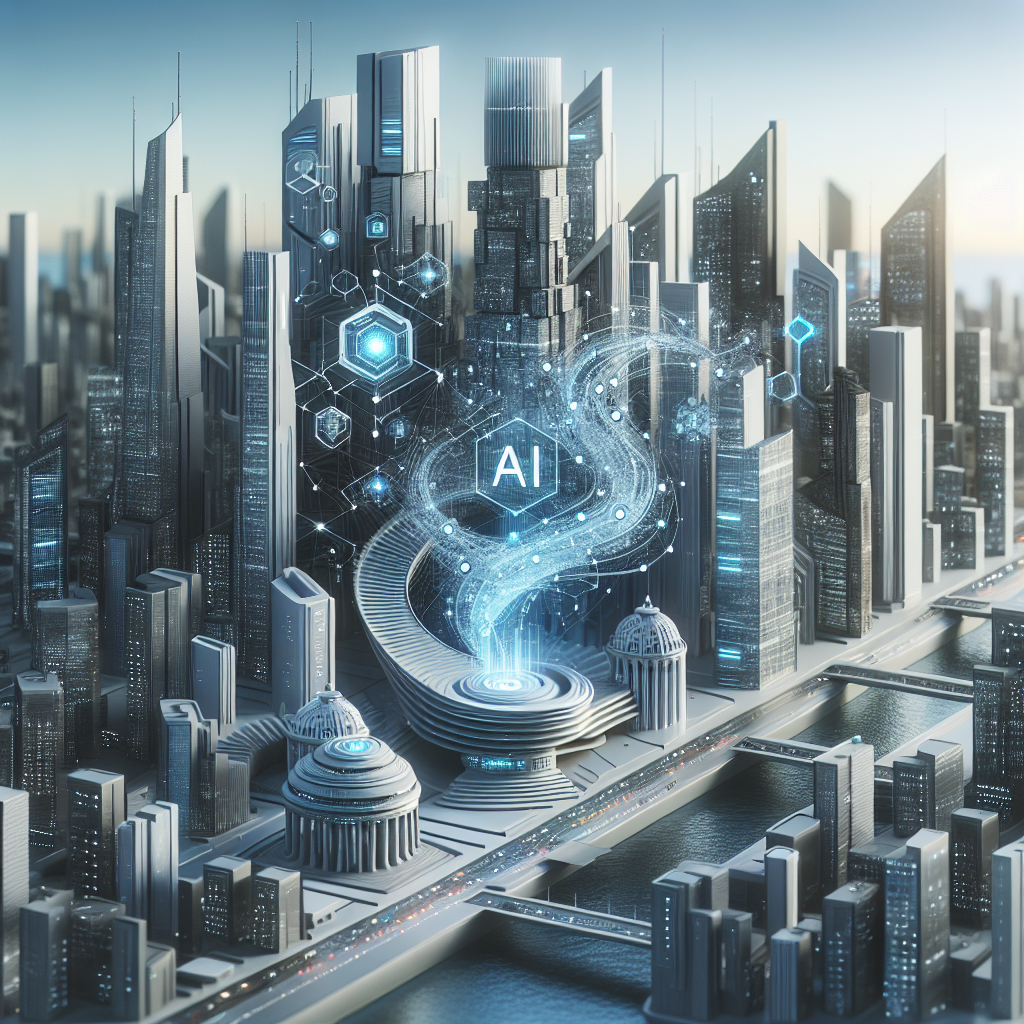
The Potential of AI in Adaptive Architecture
Artificial intelligence (AI) has revolutionized many industries, from healthcare to finance to transportation. One area where AI is beginning to make a significant impact is in architecture. Adaptive architecture, which refers to buildings and structures that can change and respond to their environment, is an exciting new field that is being transformed by AI technology.
AI has the potential to revolutionize adaptive architecture by enabling buildings to respond intelligently to changes in their surroundings, such as temperature, humidity, and light levels. By using AI algorithms, architects and designers can create buildings that are not only energy-efficient but also more comfortable and functional for their occupants.
One of the key benefits of AI in adaptive architecture is its ability to optimize building performance in real-time. For example, AI can be used to control heating, ventilation, and air conditioning (HVAC) systems to ensure that a building is always at the optimal temperature for its occupants. AI can also be used to adjust lighting levels to maximize energy savings while maintaining a comfortable environment.
Another exciting application of AI in adaptive architecture is the use of smart materials. Smart materials, such as shape-memory alloys and electrochromic glass, can change their properties in response to external stimuli. By using AI to control these materials, architects can create buildings that can adapt to changing weather conditions or user preferences.
AI can also be used to optimize the design and layout of buildings. By analyzing data on how occupants use a building, AI algorithms can suggest changes to improve the flow of people and maximize the use of space. This can lead to more efficient and user-friendly buildings that better meet the needs of their occupants.
In addition to optimizing building performance, AI can also be used to enhance the safety and security of buildings. By analyzing data from sensors and cameras, AI algorithms can detect potential threats and alert building occupants or security personnel. AI can also be used to predict maintenance issues before they occur, reducing downtime and costs.
While the potential of AI in adaptive architecture is vast, there are also challenges that need to be addressed. One of the main challenges is the ethical implications of using AI in architecture. For example, there are concerns about privacy and data security when using AI to monitor building occupants. Architects and designers need to carefully consider these issues and ensure that their use of AI is transparent and ethical.
Another challenge is the complexity of integrating AI into existing building systems. Many buildings were not designed with AI in mind, so retrofitting them with AI technology can be a complicated and costly process. Architects and designers need to work closely with engineers and contractors to ensure that AI is seamlessly integrated into a building’s design and operation.
Despite these challenges, the potential of AI in adaptive architecture is immense. By harnessing the power of AI, architects and designers can create buildings that are not only smarter and more efficient but also more responsive to the needs of their occupants. As AI technology continues to advance, the possibilities for adaptive architecture are endless.
FAQs
Q: What is adaptive architecture?
A: Adaptive architecture refers to buildings and structures that can change and respond to their environment. This can include adjusting lighting levels, temperature, and other building systems to optimize performance and comfort for occupants.
Q: How does AI contribute to adaptive architecture?
A: AI can be used to control building systems in real-time, optimizing performance and energy efficiency. AI can also be used to analyze data and suggest design changes to improve the functionality of a building.
Q: What are some examples of AI in adaptive architecture?
A: Some examples of AI in adaptive architecture include using AI to control HVAC systems, lighting levels, and smart materials. AI can also be used to enhance safety and security in buildings by analyzing data from sensors and cameras.
Q: What are the challenges of using AI in adaptive architecture?
A: Some of the challenges of using AI in adaptive architecture include ethical considerations, such as privacy and data security, as well as the complexity of integrating AI into existing building systems. Architects and designers need to carefully consider these challenges and work closely with engineers and contractors to ensure a successful implementation.