
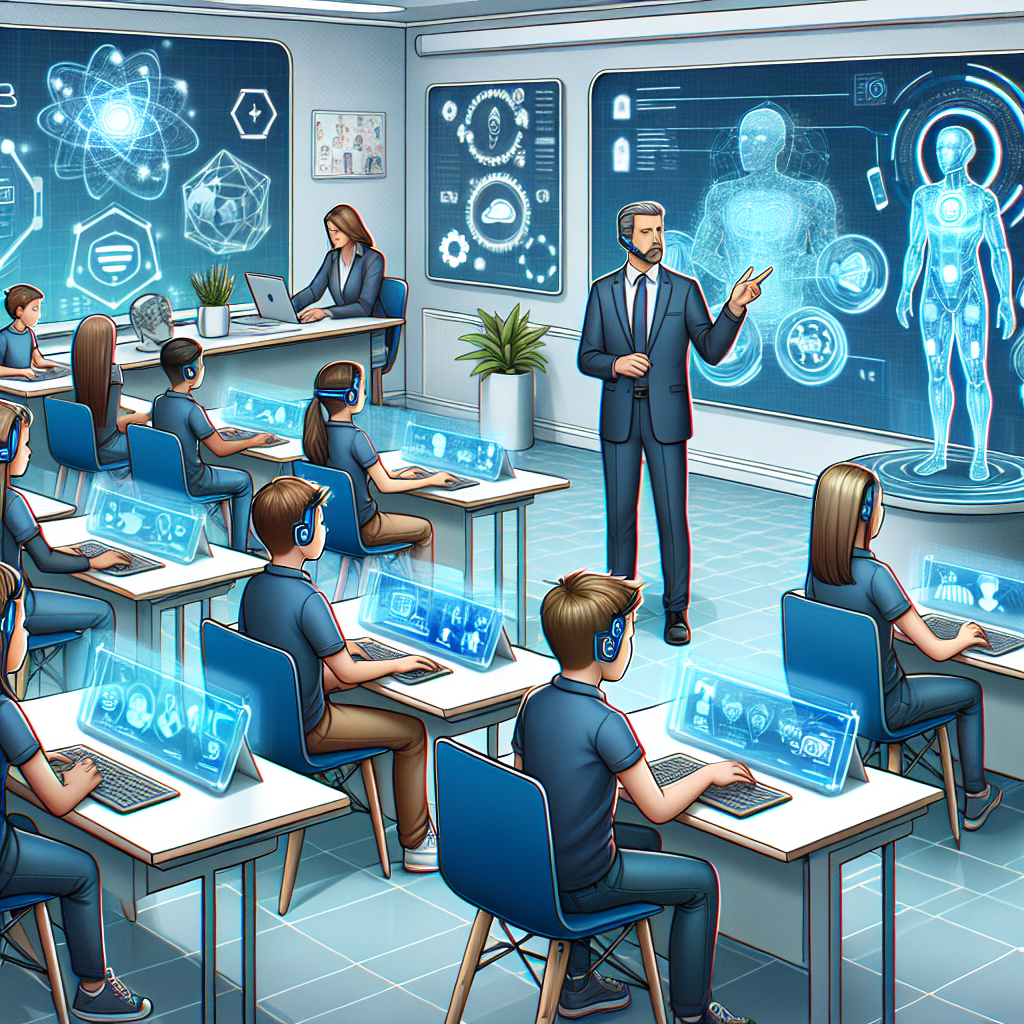
In recent years, artificial intelligence (AI) has been making significant strides in various industries, including education. AI technology has the potential to revolutionize the way we teach and learn, making education more personalized, efficient, and accessible. With the ability to analyze data, adapt to individual learning styles, and provide real-time feedback, AI has the power to transform the traditional education system. In this article, we will explore the potential of AI in education and how it can benefit students, teachers, and educational institutions.
Benefits of AI in Education
1. Personalized Learning: One of the key advantages of AI in education is its ability to personalize the learning experience for each student. AI algorithms can analyze a student’s learning style, strengths, and weaknesses, and tailor educational content to meet their individual needs. This personalized approach can help students learn at their own pace and in a way that best suits their learning preferences.
2. Adaptive Learning: AI-powered systems can adapt to each student’s progress and adjust the difficulty level of the material accordingly. This ensures that students are always challenged but not overwhelmed, leading to better retention and understanding of the material.
3. Real-Time Feedback: AI can provide instant feedback to students on their performance, helping them identify areas where they need to improve. This timely feedback can motivate students to stay engaged and continue learning, as they can see their progress in real-time.
4. Enhanced Collaboration: AI can facilitate collaboration among students, teachers, and educational institutions through online platforms and tools. Students can work together on assignments, projects, and research using AI-powered collaboration tools, regardless of their physical location.
5. Improved Efficiency: AI can automate routine tasks such as grading, lesson planning, and administrative duties, allowing teachers to focus on more meaningful interactions with their students. This can lead to increased teacher productivity and more time spent on personalized instruction.
6. Access to Quality Education: AI can help bridge the gap in access to quality education by providing online learning resources and tools to students in remote or underserved areas. This can help ensure that all students have access to the same educational opportunities, regardless of their location.
7. Data-Driven Insights: AI can analyze large amounts of data to provide valuable insights into student performance, learning trends, and areas for improvement. This data can help teachers and educational institutions make informed decisions about curriculum design, teaching methods, and student support services.
Challenges of AI in Education
While the potential benefits of AI in education are significant, there are also challenges that need to be addressed to fully realize its potential. Some of the key challenges include:
1. Privacy and Security: AI systems collect and analyze large amounts of data about students, raising concerns about privacy and security. It is important to ensure that student data is protected and used responsibly to maintain trust in AI-powered education tools.
2. Bias and Fairness: AI algorithms can inadvertently perpetuate biases and inequalities in education, such as gender or racial biases in grading or recommendations. It is crucial to address these issues and ensure that AI systems are fair and unbiased in their decision-making.
3. Lack of Training: Many teachers may not have the necessary training or skills to effectively use AI tools in the classroom. It is important to provide teachers with the training and support they need to integrate AI into their teaching practices.
4. Cost and Accessibility: Implementing AI technology in education can be costly, especially for schools with limited resources. It is important to ensure that AI tools are accessible to all students and schools, regardless of their financial situation.
5. Ethical Considerations: AI raises ethical questions about the role of technology in education, such as the impact of AI on human interaction, creativity, and critical thinking skills. It is important to consider these ethical implications and ensure that AI is used responsibly in education.
Frequently Asked Questions (FAQs)
Q: How can AI improve student engagement in the classroom?
A: AI can personalize learning materials and provide real-time feedback to students, keeping them engaged and motivated to learn. AI-powered tools can also create interactive and immersive learning experiences that capture students’ interest and make learning more fun and engaging.
Q: Will AI replace teachers in the classroom?
A: While AI can automate certain tasks and provide support to teachers, it is unlikely to replace human teachers entirely. Teachers play a crucial role in providing emotional support, mentorship, and guidance to students, which AI cannot replicate. AI can complement teachers’ skills and help them be more effective in their roles.
Q: How can AI help students with special needs or disabilities?
A: AI can provide personalized learning materials and support to students with special needs or disabilities, helping them learn at their own pace and in a way that best suits their individual needs. AI-powered tools can also assist teachers in identifying and addressing the specific needs of these students, ensuring that they receive the support they require to succeed.
Q: Are there any ethical concerns about using AI in education?
A: Yes, there are ethical concerns about the use of AI in education, such as data privacy, bias, and fairness. It is important to address these concerns and ensure that AI is used responsibly and ethically in education. Schools and educational institutions should establish clear guidelines and policies for the use of AI in the classroom to protect student data and ensure fairness in decision-making.
In conclusion, AI has the potential to transform education by personalizing learning, providing real-time feedback, enhancing collaboration, and improving efficiency. While there are challenges to overcome, such as privacy concerns and biases, the benefits of AI in education are significant and can help students, teachers, and educational institutions achieve better learning outcomes. By leveraging the power of AI technology, we can create a more inclusive, engaging, and effective education system for all.