
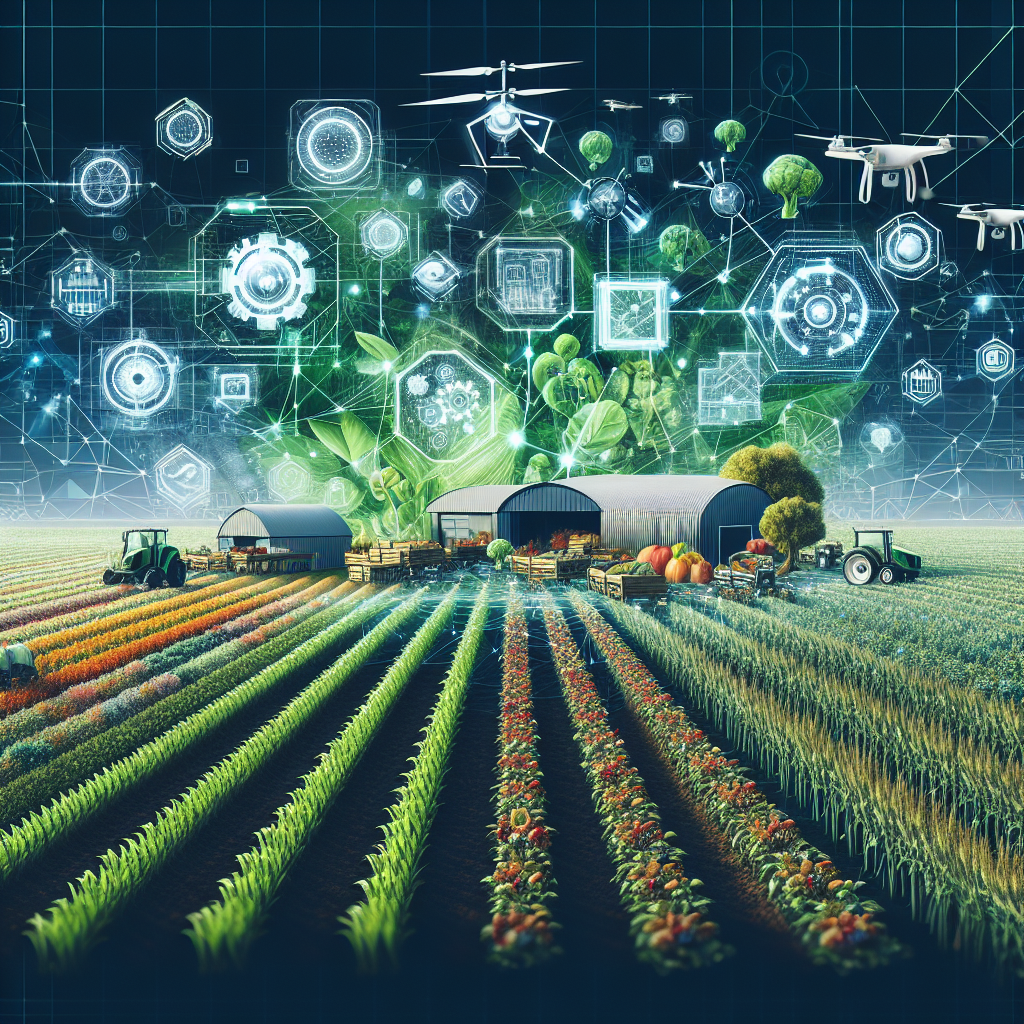
The Potential of AI in Enhancing Food Security
Food security is a global issue that affects millions of people around the world. The United Nations defines food security as the condition in which all people, at all times, have physical, social, and economic access to sufficient, safe, and nutritious food that meets their dietary needs and food preferences for an active and healthy life. With the world’s population expected to reach 9.7 billion by 2050, ensuring food security is becoming increasingly challenging.
Artificial Intelligence (AI) has the potential to revolutionize the way we produce, distribute, and consume food, and thus play a crucial role in enhancing food security. AI refers to the simulation of human intelligence in machines that are programmed to think and act like humans. It encompasses a wide range of technologies, including machine learning, natural language processing, computer vision, and robotics. In the context of food security, AI can be used to optimize agricultural practices, improve food distribution systems, and enhance food safety and quality.
Optimizing Agricultural Practices
One of the key ways in which AI can enhance food security is by optimizing agricultural practices. AI-powered technologies can help farmers make data-driven decisions that improve crop yields, reduce waste, and minimize environmental impact. For example, AI algorithms can analyze satellite imagery to monitor crop health, predict yields, and detect pest infestations. This information can help farmers apply fertilizers and pesticides more efficiently, leading to higher yields and lower production costs.
AI can also be used to develop precision agriculture systems that enable farmers to tailor their farming practices to specific soil and weather conditions. For instance, AI-powered sensors can monitor soil moisture levels and temperature, allowing farmers to optimize irrigation schedules and reduce water usage. Similarly, AI algorithms can analyze weather data to predict crop yields and optimize planting and harvesting schedules.
Improving Food Distribution Systems
Another way in which AI can enhance food security is by improving food distribution systems. In many parts of the world, food is wasted at various stages of the supply chain, from farm to table. AI technologies can help reduce food waste by optimizing logistics, predicting demand, and improving inventory management.
For example, AI-powered algorithms can analyze historical sales data to forecast demand for specific food products in different regions. This information can help food producers and distributors optimize their production and distribution schedules, ensuring that food reaches consumers in a timely manner. AI can also be used to develop smart packaging solutions that extend the shelf life of perishable foods, reducing food spoilage and waste.
Enhancing Food Safety and Quality
AI can also play a crucial role in enhancing food safety and quality. AI-powered technologies can help food producers and regulators detect and prevent foodborne illnesses, contamination, and fraud. For instance, AI algorithms can analyze sensor data to monitor food production processes in real-time, identifying potential hazards and anomalies. This information can help food producers take corrective actions to ensure the safety and quality of their products.
AI can also be used to develop blockchain-based systems that enable transparent and traceable food supply chains. By recording every step of the production and distribution process on a secure and immutable ledger, blockchain technology can help consumers verify the authenticity and origin of the food they purchase. This can help prevent food fraud and ensure that consumers have access to safe and high-quality food products.
FAQs
Q: How can AI help smallholder farmers in developing countries improve their crop yields?
A: AI-powered technologies can help smallholder farmers in developing countries improve their crop yields by providing them with access to valuable data and insights. For example, AI algorithms can analyze satellite imagery to monitor crop health, predict yields, and detect pest infestations. This information can help farmers make informed decisions about when to plant, irrigate, fertilize, and harvest their crops, leading to higher yields and increased income.
Q: How can AI help reduce food waste in the food supply chain?
A: AI can help reduce food waste in the food supply chain by optimizing logistics, predicting demand, and improving inventory management. For example, AI-powered algorithms can analyze historical sales data to forecast demand for specific food products in different regions. This information can help food producers and distributors optimize their production and distribution schedules, ensuring that food reaches consumers in a timely manner. AI can also be used to develop smart packaging solutions that extend the shelf life of perishable foods, reducing food spoilage and waste.
Q: How can AI help prevent foodborne illnesses and contamination?
A: AI-powered technologies can help prevent foodborne illnesses and contamination by monitoring food production processes in real-time and identifying potential hazards and anomalies. For example, AI algorithms can analyze sensor data to detect deviations from standard operating procedures, such as temperature fluctuations, microbial growth, and chemical contamination. This information can help food producers take corrective actions to prevent foodborne illnesses and ensure the safety and quality of their products.
Q: How can AI help consumers verify the authenticity and origin of the food they purchase?
A: AI can help consumers verify the authenticity and origin of the food they purchase by developing blockchain-based systems that enable transparent and traceable food supply chains. By recording every step of the production and distribution process on a secure and immutable ledger, blockchain technology can help consumers track the journey of their food from farm to table. This can help prevent food fraud and ensure that consumers have access to safe and high-quality food products.