
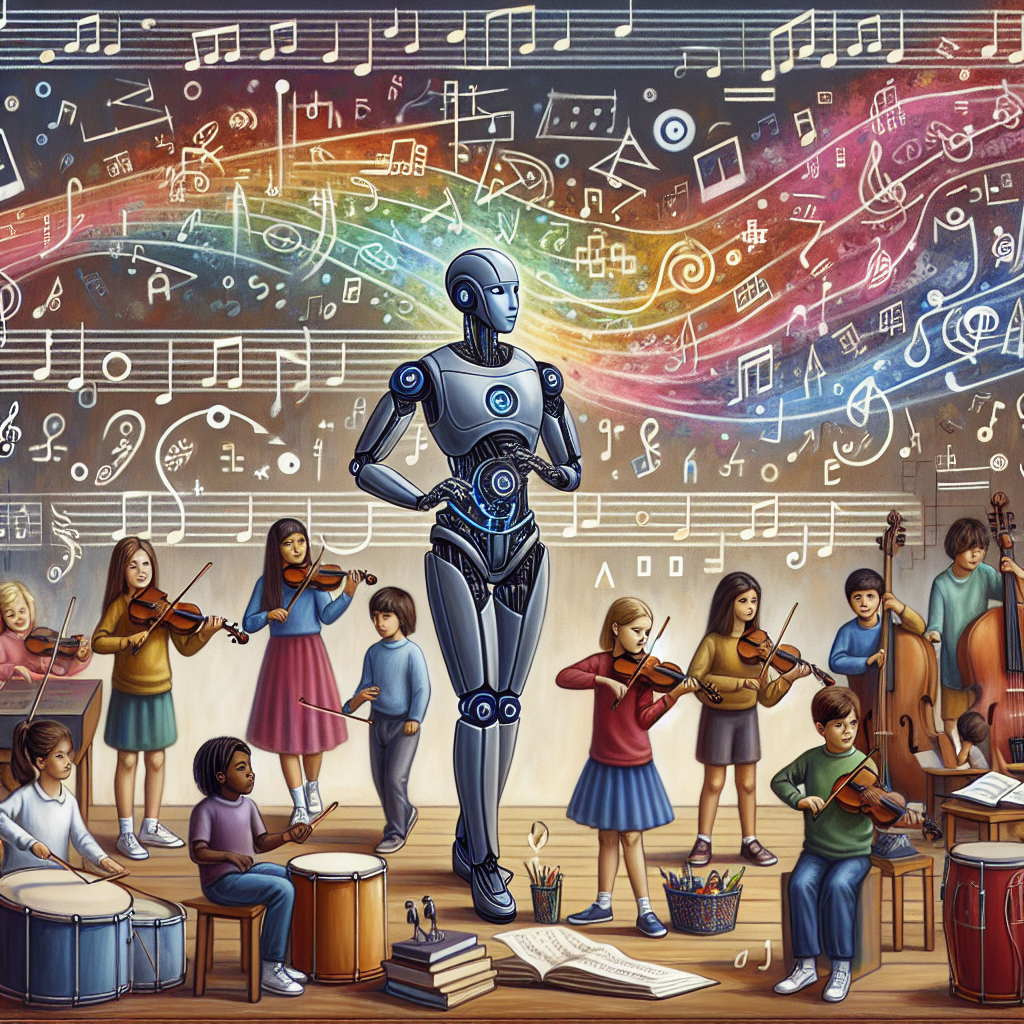
Artificial intelligence (AI) has revolutionized many industries, from healthcare to finance to entertainment. One area where AI has the potential to make a significant impact is in music education. With advancements in AI technology, music educators and students alike can benefit from personalized learning experiences, improved access to resources, and innovative tools for composition and performance.
AI in Music Education: The Current Landscape
AI technology is already being used in various aspects of music education. One of the most common applications of AI in music education is in the development of personalized learning tools. These tools use algorithms to analyze a student’s progress and adapt the curriculum to their individual needs. For example, AI-powered apps can provide instant feedback on a student’s performance, helping them identify areas for improvement and track their progress over time.
AI can also be used to enhance the accessibility of music education. For students who may not have access to traditional music lessons, AI-powered platforms can provide virtual instruction and resources. These platforms can offer interactive tutorials, virtual practice rooms, and online communities where students can collaborate and share their work.
Another area where AI is making an impact in music education is in the development of tools for music composition and performance. AI algorithms can analyze music data to generate new compositions, suggest harmonies, or even create virtual accompaniments for solo performers. These tools can help students explore different styles and genres of music, experiment with new techniques, and push the boundaries of creativity.
The Potential of AI in Music Education
The potential of AI in music education is vast, with the technology offering a range of benefits for both educators and students. Here are some of the key ways in which AI can transform music education:
Personalized Learning Experiences: AI-powered tools can adapt to the individual needs and learning styles of students, providing personalized feedback and recommendations to help them improve their skills. This can help students progress more quickly and effectively, leading to better outcomes in their music education.
Improved Access to Resources: AI can help break down barriers to music education by providing students with access to high-quality instruction, resources, and tools. This can be particularly beneficial for students in underserved communities who may not have access to traditional music programs or private lessons.
Innovative Tools for Composition and Performance: AI algorithms can generate new compositions, suggest harmonies, and create virtual accompaniments, offering students new ways to explore and create music. These tools can inspire creativity, encourage experimentation, and push the boundaries of traditional music education.
Enhanced Collaboration and Community: AI-powered platforms can connect students with peers, mentors, and instructors from around the world, fostering collaboration and community in the music education space. This can help students build relationships, share their work, and learn from others in a supportive and inclusive environment.
FAQs about AI in Music Education
Q: How can AI help music educators in their teaching practice?
A: AI-powered tools can help music educators analyze student performance data, track progress, and provide personalized feedback to students. These tools can also assist educators in developing curriculum, creating lesson plans, and managing resources more effectively.
Q: Can AI replace traditional music education methods?
A: While AI can enhance traditional music education methods, it is unlikely to replace them entirely. AI-powered tools can supplement and support traditional instruction, offering new opportunities for exploration, creativity, and collaboration in music education.
Q: Is AI in music education accessible to all students?
A: AI-powered platforms and tools can help make music education more accessible to students who may not have access to traditional programs or resources. However, there may still be barriers to access, such as the availability of technology or internet connectivity.
Q: How can students benefit from AI in music education?
A: Students can benefit from AI in music education in a variety of ways, including personalized learning experiences, access to high-quality instruction and resources, innovative tools for composition and performance, and opportunities for collaboration and community building.
Q: What are some examples of AI-powered tools in music education?
A: Some examples of AI-powered tools in music education include apps that provide instant feedback on student performance, platforms that offer virtual music lessons and practice rooms, and algorithms that generate new compositions or suggest harmonies.
In conclusion, the potential of AI in music education is vast, with the technology offering a range of benefits for both educators and students. From personalized learning experiences to innovative tools for composition and performance, AI has the power to transform the way we teach and learn music. By harnessing the capabilities of AI, music educators can create more inclusive, engaging, and effective learning experiences for students of all ages and skill levels.