
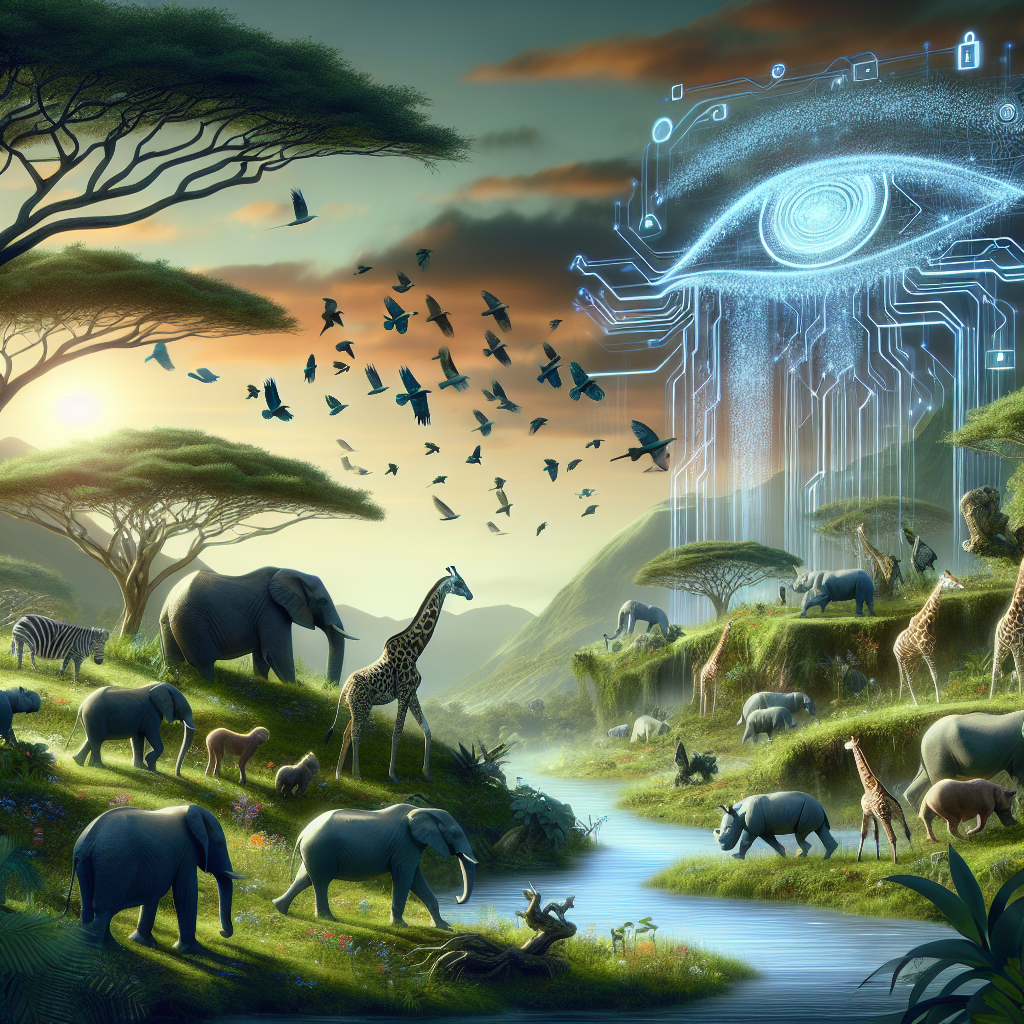
The Potential of AI Software in Wildlife Conservation
Wildlife conservation is a crucial issue facing our planet today. With the increasing human population and expanding urbanization, many species are facing extinction due to habitat loss, climate change, poaching, and other human-induced threats. In this dire situation, technology has emerged as a powerful tool in the fight to protect our planet’s biodiversity. One of the most promising technologies is artificial intelligence (AI) software, which has the potential to revolutionize wildlife conservation efforts.
AI software utilizes advanced algorithms and machine learning techniques to analyze large amounts of data in a way that was previously impossible for humans. This technology can be used to monitor and track wildlife populations, identify individual animals, detect illegal activities such as poaching, and predict environmental changes that may affect species’ habitats. By harnessing the power of AI, conservationists can gain valuable insights into the behavior and distribution of wildlife, enabling them to make more informed decisions about how to protect and manage endangered species.
One of the most important applications of AI software in wildlife conservation is in the tracking and monitoring of animal populations. Traditionally, researchers have relied on manual methods such as radio collaring and camera traps to track individual animals and study their movements. These methods are labor-intensive, time-consuming, and often limited in their scope. AI software, on the other hand, can analyze vast amounts of data from remote sensors, satellite imagery, and other sources to track the movements of animals in real-time. This allows researchers to monitor populations more effectively and identify trends and patterns that may help them better understand the behavior of species and make informed decisions about conservation strategies.
Another key application of AI software in wildlife conservation is in the detection of illegal activities such as poaching. Poaching is a major threat to many species around the world, and traditional methods of monitoring and enforcement are often inadequate to address this issue. AI software can be used to analyze data from drones, cameras, and other sources to detect suspicious activity in protected areas. By using AI algorithms to identify patterns and anomalies in the data, conservationists can more effectively target their enforcement efforts and catch poachers before they can harm endangered species.
In addition to tracking and monitoring wildlife populations, AI software can also be used to predict environmental changes that may affect species’ habitats. Climate change is a major threat to biodiversity, and many species are already experiencing the effects of rising temperatures, changing precipitation patterns, and other environmental changes. By analyzing historical data and using predictive modeling techniques, AI software can help researchers anticipate how these changes may affect wildlife populations in the future. This information can be used to develop conservation strategies that will help species adapt to changing conditions and thrive in the face of environmental challenges.
Overall, the potential of AI software in wildlife conservation is immense. This technology has the ability to revolutionize the way we study and protect the world’s biodiversity, providing researchers and conservationists with powerful tools to monitor and manage wildlife populations, detect illegal activities, and predict environmental changes. By harnessing the power of AI, we can better understand and protect the incredible diversity of life on our planet, ensuring that future generations will be able to enjoy the beauty and wonder of nature.
FAQs
Q: How does AI software help in tracking wildlife populations?
A: AI software can analyze data from remote sensors, satellite imagery, and other sources to track the movements of animals in real-time. This allows researchers to monitor populations more effectively and identify trends and patterns that may help them better understand the behavior of species.
Q: Can AI software help in detecting poaching activities?
A: Yes, AI software can be used to analyze data from drones, cameras, and other sources to detect suspicious activity in protected areas. By using AI algorithms to identify patterns and anomalies in the data, conservationists can more effectively target their enforcement efforts and catch poachers before they can harm endangered species.
Q: How does AI software predict environmental changes?
A: AI software analyzes historical data and uses predictive modeling techniques to anticipate how environmental changes may affect wildlife populations in the future. This information can be used to develop conservation strategies that will help species adapt to changing conditions and thrive in the face of environmental challenges.