
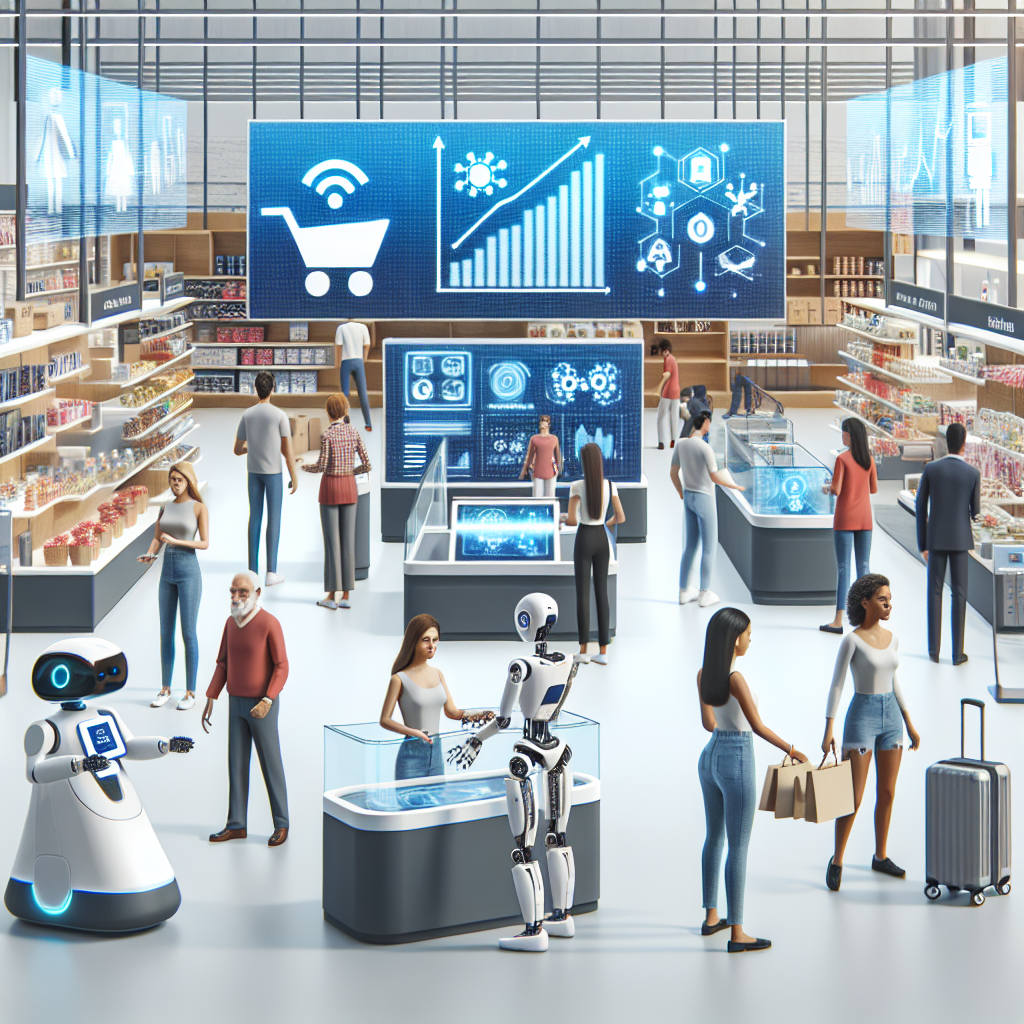
In recent years, artificial intelligence (AI) has become increasingly integrated into various industries, including retail. The rise of AI integration in retail has transformed the way businesses operate, interact with customers, and make strategic decisions. From personalized shopping experiences to inventory management and fraud detection, AI is revolutionizing the retail landscape.
One of the key areas where AI is making a significant impact in retail is in customer service. AI-powered chatbots and virtual assistants are being used by retailers to provide real-time support to customers, answer their queries, and offer personalized recommendations. These AI tools can handle a large volume of customer interactions efficiently and effectively, freeing up human agents to focus on more complex tasks. This not only enhances the customer experience but also helps retailers save time and resources.
AI is also being used to personalize the shopping experience for customers. By analyzing customer data and behavior, AI algorithms can recommend products that are tailored to individual preferences and buying patterns. This not only increases the likelihood of making a sale but also improves customer satisfaction and loyalty. Retailers can also use AI to segment their customer base and target specific groups with personalized marketing campaigns, leading to higher conversion rates and increased revenue.
Another area where AI is revolutionizing retail is in inventory management. By using advanced forecasting algorithms, retailers can predict demand more accurately and optimize their inventory levels to prevent stockouts and overstock situations. This not only helps reduce costs but also improves customer satisfaction by ensuring that the right products are available when and where customers need them. AI can also help retailers detect fraudulent activities, such as credit card fraud or return fraud, by analyzing patterns and anomalies in transaction data. This can help retailers minimize losses and protect their bottom line.
In addition to customer service, personalization, inventory management, and fraud detection, AI is also being used in other areas of retail, such as pricing optimization, supply chain management, and marketing analytics. By leveraging AI technology, retailers can gain valuable insights into their operations, identify opportunities for improvement, and make data-driven decisions that drive business growth.
Despite the benefits of AI integration in retail, there are also challenges and concerns that need to be addressed. One of the main concerns is the potential impact of AI on jobs in the retail industry. As AI technology becomes more advanced, there is a risk that some jobs may be automated, leading to job displacement for human workers. However, it is important to note that AI can also create new job opportunities, such as data scientists, AI engineers, and AI trainers, who are needed to develop, implement, and maintain AI systems in retail.
Another challenge is the ethical and privacy implications of AI in retail. Retailers need to ensure that they are using AI technology in a responsible and transparent manner, respecting customer privacy and data protection regulations. This includes obtaining consent from customers before collecting and using their personal data, being transparent about how AI algorithms make decisions, and ensuring that AI systems are free from bias and discrimination.
Overall, the rise of AI integration in retail is transforming the industry in profound ways, from enhancing customer service and personalization to improving inventory management and fraud detection. By leveraging AI technology, retailers can gain a competitive edge, drive innovation, and meet the evolving needs and expectations of modern consumers. As AI continues to evolve and become more sophisticated, retailers need to adapt and embrace this technology to stay ahead of the curve and thrive in the digital age.
FAQs:
Q: How is AI being used in retail customer service?
A: AI is being used in retail customer service to provide real-time support to customers through chatbots and virtual assistants. These AI tools can answer customer queries, offer personalized recommendations, and handle a large volume of customer interactions efficiently and effectively.
Q: How is AI being used in personalized shopping experiences?
A: AI is being used in personalized shopping experiences to analyze customer data and behavior, recommend products tailored to individual preferences, and target specific customer groups with personalized marketing campaigns. This helps increase sales, improve customer satisfaction, and drive loyalty.
Q: How is AI being used in inventory management?
A: AI is being used in inventory management to predict demand more accurately, optimize inventory levels, and prevent stockouts and overstock situations. By leveraging advanced forecasting algorithms, retailers can reduce costs and improve customer satisfaction by ensuring the right products are available when and where customers need them.
Q: What are the ethical and privacy implications of AI in retail?
A: The ethical and privacy implications of AI in retail include concerns about job displacement, customer privacy, and data protection. Retailers need to use AI technology in a responsible and transparent manner, respecting customer consent, and ensuring that AI systems are free from bias and discrimination.