
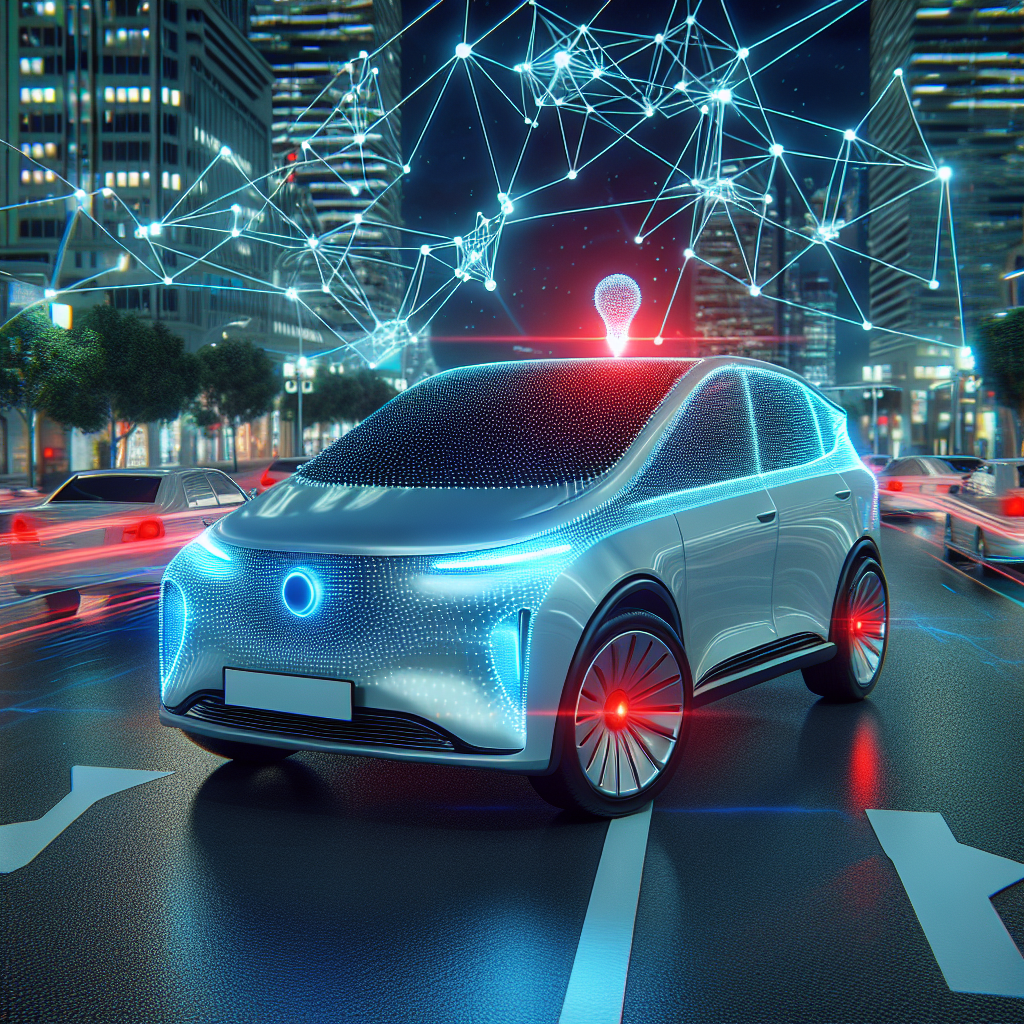
The Risks of AI in Autonomous Vehicles Malfunctions
Autonomous vehicles, also known as self-driving cars, have been a topic of great interest and debate in recent years. Proponents argue that autonomous vehicles have the potential to revolutionize transportation, making it safer, more efficient, and more convenient. However, there are also risks associated with the use of AI in autonomous vehicles, particularly when it comes to malfunctions. In this article, we will explore the potential risks of AI in autonomous vehicles malfunctions and discuss how these risks can be mitigated.
One of the main risks of AI in autonomous vehicles malfunctions is the potential for software bugs and glitches. Like any software-based system, autonomous vehicles rely on complex algorithms and machine learning models to make decisions and navigate the road. If these algorithms contain bugs or errors, it can lead to unpredictable behavior and potentially dangerous situations. For example, a software bug could cause an autonomous vehicle to fail to recognize a stop sign or a pedestrian, leading to a collision.
Another risk of AI in autonomous vehicles malfunctions is the potential for hacking and cyber attacks. As autonomous vehicles become more connected to the internet and other devices, they become vulnerable to cyber threats. Hackers could potentially take control of an autonomous vehicle remotely, causing it to veer off course or even crash. This could have serious consequences, especially if autonomous vehicles become more common on the roads.
Additionally, there is the risk of sensor malfunctions in autonomous vehicles. Autonomous vehicles rely on a variety of sensors, such as cameras, lidar, and radar, to perceive their surroundings and make decisions. If any of these sensors malfunction or fail, it can lead to the vehicle making incorrect decisions or even becoming completely disabled. For example, if a lidar sensor fails to detect an obstacle in the road, the vehicle may not be able to stop in time to avoid a collision.
Furthermore, there is the risk of environmental factors affecting the performance of AI in autonomous vehicles. For example, inclement weather conditions such as heavy rain, snow, or fog can affect the performance of sensors and algorithms in autonomous vehicles. This can lead to reduced visibility and decreased accuracy in detecting objects on the road, increasing the risk of accidents.
To mitigate the risks of AI in autonomous vehicles malfunctions, manufacturers and developers need to implement robust testing and validation processes. This includes testing the software and algorithms in a variety of scenarios and conditions to ensure their reliability and safety. Additionally, developers should regularly update and patch the software to address any bugs or vulnerabilities that may arise.
Furthermore, manufacturers should also implement security measures to protect autonomous vehicles from cyber attacks. This includes encrypting communications between the vehicle and external devices, implementing secure authentication mechanisms, and regularly monitoring for any suspicious activity.
In conclusion, while autonomous vehicles have the potential to transform transportation and improve road safety, there are risks associated with the use of AI in autonomous vehicles malfunctions. By implementing rigorous testing and validation processes, as well as security measures, manufacturers can help mitigate these risks and ensure the safe and reliable operation of autonomous vehicles on the roads.
FAQs
Q: Are autonomous vehicles safe to use?
A: While autonomous vehicles have the potential to improve road safety, there are still risks associated with their use, particularly when it comes to software bugs, hacking, and sensor malfunctions. It is important for manufacturers to implement robust testing and validation processes to ensure the safety and reliability of autonomous vehicles.
Q: What should I do if my autonomous vehicle malfunctions?
A: If you experience a malfunction in your autonomous vehicle, it is important to remain calm and follow the manufacturer’s instructions for handling the situation. This may include pulling over to a safe location, contacting customer support, or taking the vehicle to a service center for repairs.
Q: How can I protect my autonomous vehicle from cyber attacks?
A: To protect your autonomous vehicle from cyber attacks, it is important to follow best practices for cybersecurity, such as regularly updating the software, using strong authentication mechanisms, and avoiding connecting to unsecured networks. Additionally, manufacturers should implement security measures to protect autonomous vehicles from external threats.
Q: Can inclement weather affect the performance of autonomous vehicles?
A: Yes, inclement weather conditions such as heavy rain, snow, or fog can affect the performance of sensors and algorithms in autonomous vehicles. This can lead to reduced visibility and accuracy in detecting objects on the road, increasing the risk of accidents. Manufacturers should take into account these environmental factors when designing autonomous vehicles.