
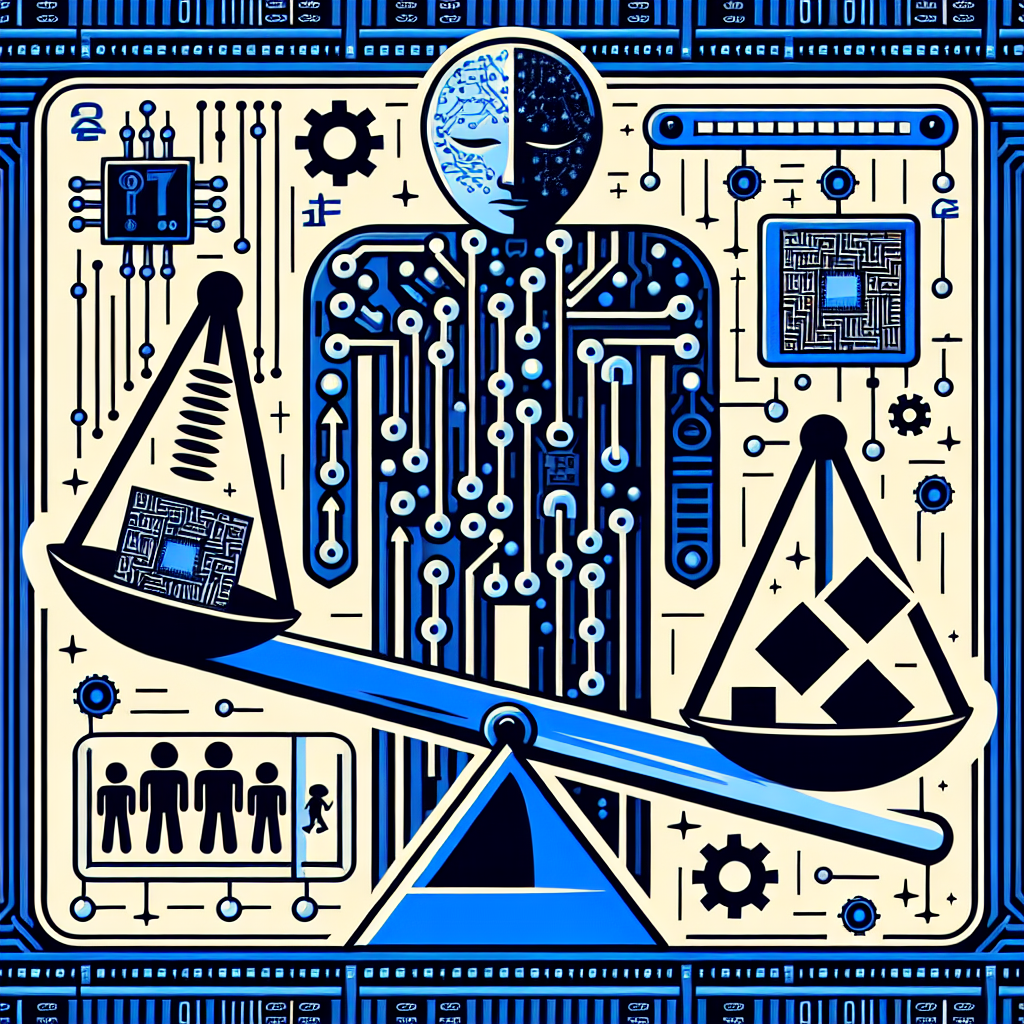
Artificial Intelligence (AI) has become an integral part of our daily lives, from recommending movies on streaming platforms to powering self-driving cars. However, as AI continues to advance, there are growing concerns about the risks associated with biased decision-making. Biased AI algorithms can lead to unfair treatment of individuals, perpetuate stereotypes, and ultimately undermine the trust in AI systems. In this article, we will explore the risks of AI in biased decision-making and discuss potential solutions to address this critical issue.
What is Bias in AI?
Bias in AI refers to the unfair or prejudiced treatment of individuals based on factors such as race, gender, or socio-economic status. Bias can manifest in various ways in AI systems, including biased data collection, biased algorithm design, and biased decision-making processes. Biased AI algorithms can result in discriminatory outcomes, such as denying opportunities to certain groups, reinforcing existing inequalities, and perpetuating harmful stereotypes.
One of the main reasons why bias occurs in AI systems is due to the data used to train the algorithms. If the training data is not representative of the diverse population, the AI system may learn and perpetuate biases present in the data. For example, if a facial recognition system is trained on a dataset that primarily consists of white faces, it may perform poorly on faces of other ethnicities, leading to inaccurate and biased results.
Another factor that contributes to bias in AI is the design of the algorithms themselves. Algorithms are designed by humans who may have their own biases and assumptions, which can unintentionally influence the algorithm’s decision-making process. In addition, the lack of diversity in the tech industry can also contribute to biased AI systems, as diverse perspectives are necessary to identify and mitigate bias in AI algorithms.
The Risks of AI in Biased Decision-Making
There are several risks associated with biased decision-making in AI systems, including:
1. Unfair treatment of individuals: Biased AI algorithms can lead to unfair treatment of individuals based on factors such as race, gender, or socio-economic status. For example, a biased hiring algorithm may systematically favor candidates from certain demographic groups, leading to discrimination against others.
2. Reinforcement of stereotypes: Biased AI systems can reinforce and perpetuate harmful stereotypes, leading to further marginalization of certain groups. For example, a biased predictive policing algorithm may target certain neighborhoods more heavily based on historical crime data, leading to increased surveillance and policing of those communities.
3. Lack of transparency and accountability: Biased AI algorithms are often opaque and difficult to understand, making it challenging to identify and address bias in the decision-making process. This lack of transparency can erode trust in AI systems and hinder efforts to hold them accountable for their actions.
4. Legal and ethical implications: Biased AI systems can have legal and ethical implications, especially in high-stakes decision-making contexts such as healthcare, finance, and criminal justice. For example, a biased medical diagnosis algorithm may lead to misdiagnosis and inappropriate treatment, resulting in harm to patients.
5. Diminished trust in AI systems: The presence of bias in AI systems can undermine the trust and credibility of these systems, leading to skepticism and reluctance to adopt AI technologies. Without trust, AI systems may not realize their full potential in improving efficiency, accuracy, and decision-making.
Addressing Bias in AI
Addressing bias in AI requires a multi-faceted approach that involves stakeholders from diverse backgrounds, including technologists, policymakers, ethicists, and community members. Some potential solutions to mitigate bias in AI systems include:
1. Diverse and representative data: Ensuring that the training data used to train AI algorithms is diverse and representative of the population is essential to reducing bias in AI systems. This may involve collecting data from a wide range of sources and actively seeking out underrepresented groups to ensure their voices are included in the dataset.
2. Bias detection and mitigation techniques: Implementing bias detection and mitigation techniques can help identify and address bias in AI systems. Techniques such as fairness-aware machine learning, bias audits, and adversarial testing can help uncover and correct bias in AI algorithms.
3. Ethical guidelines and standards: Developing and adhering to ethical guidelines and standards for the design and deployment of AI systems can help ensure that they are fair, transparent, and accountable. Organizations such as the IEEE and the AI Ethics Lab have published guidelines for responsible AI development and deployment.
4. Diversity and inclusion in the tech industry: Promoting diversity and inclusion in the tech industry is crucial to addressing bias in AI systems. Hiring a diverse workforce, fostering inclusive workplace cultures, and supporting underrepresented groups in tech can help bring diverse perspectives to the design and development of AI systems.
5. Community engagement and feedback: Engaging with communities that are impacted by AI systems and soliciting their feedback can help identify and address bias in AI algorithms. Community members can provide valuable insights into the potential harms and benefits of AI systems and help shape more inclusive and equitable AI technologies.
Frequently Asked Questions (FAQs)
Q: Can AI algorithms be completely unbiased?
A: While it may be challenging to eliminate bias entirely from AI algorithms, efforts can be made to reduce bias and mitigate its impact. By diversifying training data, implementing bias detection and mitigation techniques, and adhering to ethical guidelines, AI developers can work towards creating more fair and transparent AI systems.
Q: How does bias in AI affect marginalized communities?
A: Bias in AI can have disproportionate effects on marginalized communities, leading to further discrimination and exclusion. For example, biased predictive policing algorithms may target communities of color more heavily, exacerbating existing inequalities in the criminal justice system.
Q: What are some examples of biased AI systems?
A: Examples of biased AI systems include biased hiring algorithms that favor candidates from certain demographic groups, biased facial recognition systems that perform poorly on faces of certain ethnicities, and biased predictive policing algorithms that target certain neighborhoods more heavily based on historical crime data.
Q: How can individuals protect themselves from biased AI systems?
A: Individuals can protect themselves from biased AI systems by being aware of the limitations and potential biases of AI technologies, advocating for transparency and accountability in AI systems, and seeking out diverse perspectives and voices in the development and deployment of AI technologies.
In conclusion, the risks of AI in biased decision-making are significant and require urgent attention from all stakeholders. By addressing bias in AI systems through diverse and representative data, bias detection and mitigation techniques, ethical guidelines and standards, diversity and inclusion in the tech industry, and community engagement and feedback, we can work towards creating more fair, transparent, and accountable AI technologies. Ultimately, it is crucial to prioritize equity and fairness in the design and deployment of AI systems to ensure that they benefit all individuals and communities.