
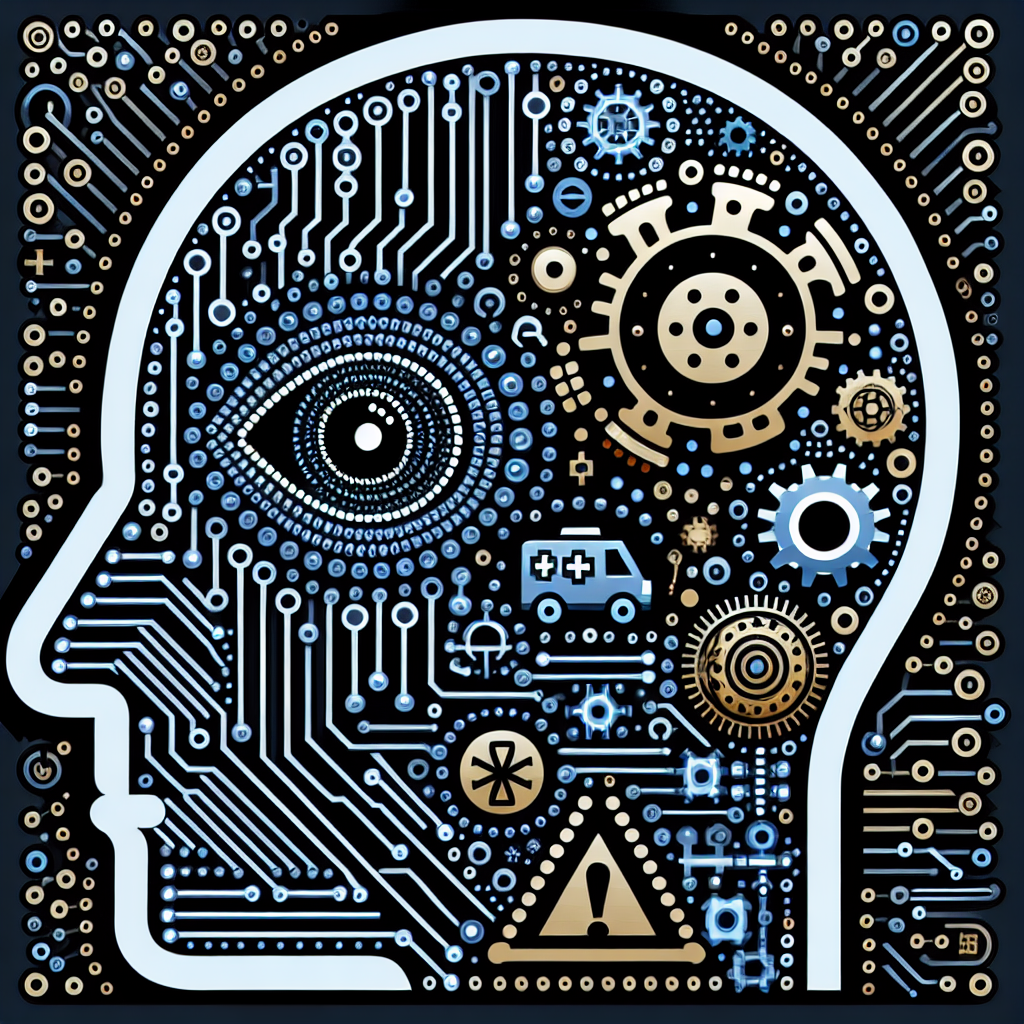
In recent years, the world has witnessed an increase in the frequency and severity of natural disasters, pandemics, terrorist attacks, and other crises. These events have highlighted the importance of effective crisis management strategies to minimize the impact on human life and infrastructure. One emerging technology that has the potential to revolutionize crisis management is artificial intelligence (AI) automation.
AI automation refers to the use of machine learning algorithms and robotics to automate tasks that would otherwise be performed by humans. In the context of crisis management, AI automation can play a crucial role in enhancing the speed, accuracy, and effectiveness of response efforts. From predicting the onset of a crisis to coordinating rescue operations and analyzing data in real-time, AI automation can streamline various aspects of crisis management.
One of the key benefits of AI automation in crisis management is its ability to process vast amounts of data quickly and accurately. During a crisis, first responders and decision-makers are often inundated with information from multiple sources, making it challenging to make informed decisions in real-time. AI automation can analyze this data in real-time, identify patterns and trends, and provide actionable insights to help responders make better decisions.
Another advantage of AI automation is its ability to predict and prevent crises before they occur. Machine learning algorithms can analyze historical data, identify potential risk factors, and predict the likelihood of a crisis happening in the future. By identifying these risks early on, decision-makers can take proactive measures to mitigate the impact of the crisis and potentially prevent it from happening altogether.
AI automation can also play a crucial role in coordinating response efforts during a crisis. By using robotics and drones, AI automation can assist in search and rescue operations, deliver essential supplies to affected areas, and even assess damage to infrastructure. This can help first responders prioritize their efforts, allocate resources more efficiently, and ultimately save more lives.
Furthermore, AI automation can improve communication and information-sharing during a crisis. By using chatbots and virtual assistants, AI automation can provide real-time updates to the public, answer common questions, and alleviate pressure on call centers and emergency hotlines. This can help ensure that accurate information is disseminated quickly and efficiently, reducing confusion and panic among the affected population.
Despite its many benefits, AI automation in crisis management also raises some concerns. One of the main challenges is ensuring that AI algorithms are trained on unbiased and accurate data to prevent potential biases and errors in decision-making. Additionally, there are concerns about the ethical implications of using AI automation in crisis management, such as privacy concerns and the potential for misuse of data.
In conclusion, AI automation has the potential to revolutionize crisis management by improving the speed, accuracy, and effectiveness of response efforts. By analyzing vast amounts of data in real-time, predicting and preventing crises, coordinating response efforts, and improving communication, AI automation can help decision-makers make better-informed decisions and ultimately save more lives. However, it is crucial to address concerns about bias, ethics, and privacy to ensure that AI automation is used responsibly in crisis management.
FAQs:
Q: How does AI automation help predict and prevent crises?
A: AI automation uses machine learning algorithms to analyze historical data, identify potential risk factors, and predict the likelihood of a crisis happening in the future. This allows decision-makers to take proactive measures to mitigate the impact of the crisis and potentially prevent it from happening altogether.
Q: What are some examples of AI automation in crisis management?
A: Some examples of AI automation in crisis management include using robotics and drones for search and rescue operations, delivering essential supplies to affected areas, and using chatbots and virtual assistants to provide real-time updates to the public.
Q: What are some concerns about using AI automation in crisis management?
A: Some concerns about using AI automation in crisis management include ensuring that AI algorithms are trained on unbiased and accurate data, addressing ethical implications such as privacy concerns, and preventing potential biases and errors in decision-making.
Q: How can AI automation improve communication during a crisis?
A: AI automation can improve communication during a crisis by using chatbots and virtual assistants to provide real-time updates to the public, answer common questions, and alleviate pressure on call centers and emergency hotlines. This helps ensure that accurate information is disseminated quickly and efficiently.