
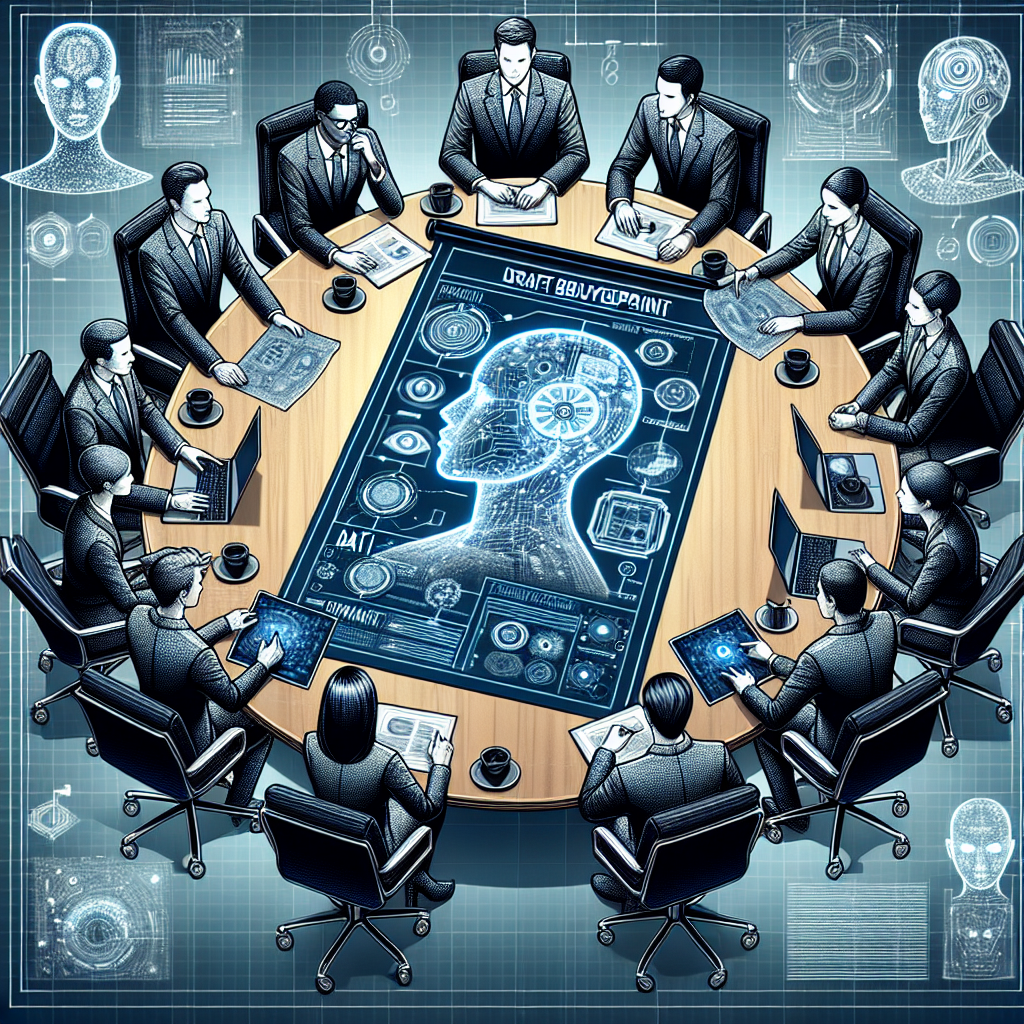
Artificial Intelligence (AI) has become an integral part of many government initiatives around the world. From improving public services to enhancing national security, the use of AI technology has the potential to revolutionize the way governments operate. However, implementing AI solutions in government projects can be complex and challenging. This is where AI consultants play a crucial role in helping government agencies navigate the intricacies of AI technology and maximize its benefits.
AI consultants are experts in the field of artificial intelligence who work with government agencies to develop and implement AI solutions that address specific needs and challenges. These consultants have the knowledge and experience to guide government agencies through the process of integrating AI technology into their operations, from initial planning and development to deployment and ongoing maintenance. By leveraging their expertise, AI consultants can help government agencies achieve their goals more effectively and efficiently.
One of the key roles of AI consultants in government initiatives is to assess the needs and requirements of government agencies and recommend AI solutions that are tailored to meet those needs. This involves conducting a thorough analysis of the current processes and systems in place, identifying areas where AI technology can be beneficial, and developing a customized plan for implementing AI solutions. AI consultants work closely with government agencies to ensure that the proposed solutions align with their objectives and are feasible within their budget and timeline constraints.
In addition to designing and implementing AI solutions, AI consultants also provide training and support to government agencies to help them effectively use and maintain these solutions. This includes training government staff on how to use AI technology, monitoring the performance of AI systems, and troubleshooting any issues that may arise. By providing ongoing support, AI consultants enable government agencies to maximize the value of their AI investments and ensure that they continue to deliver positive results over time.
Furthermore, AI consultants play a critical role in ensuring that government initiatives comply with ethical and legal standards related to AI technology. As AI systems become more advanced and autonomous, it is important to establish guidelines and regulations to govern their use and ensure that they do not infringe on individuals’ rights or pose risks to society. AI consultants work with government agencies to develop policies and procedures that promote ethical and responsible AI use, such as ensuring transparency, accountability, and fairness in decision-making processes.
Overall, the role of AI consultants in government initiatives is to help government agencies harness the power of AI technology to improve their operations and better serve their constituents. By working collaboratively with government agencies, AI consultants can leverage their expertise to develop innovative AI solutions that address specific challenges and drive positive outcomes. Through their guidance and support, AI consultants enable government agencies to embrace AI technology with confidence and achieve their strategic objectives more effectively.
FAQs:
1. What qualifications do AI consultants have?
AI consultants typically have a background in computer science, engineering, mathematics, or a related field. They may hold advanced degrees in AI or machine learning and have significant experience working with AI technology in a professional setting. Additionally, AI consultants often have certifications or training in specific AI tools and technologies to enhance their expertise.
2. How do AI consultants help government agencies implement AI solutions?
AI consultants work closely with government agencies to assess their needs, develop customized AI solutions, and provide training and support to ensure successful implementation. They collaborate with government stakeholders to design AI systems that align with their objectives and comply with ethical and legal standards. AI consultants also monitor the performance of AI systems and troubleshoot any issues that may arise to ensure optimal functionality.
3. How can government agencies benefit from working with AI consultants?
By partnering with AI consultants, government agencies can leverage the expertise and experience of AI professionals to develop and implement AI solutions that address specific challenges and drive positive outcomes. AI consultants help government agencies maximize the value of their AI investments, enhance their operational efficiency, and improve service delivery to constituents. Additionally, AI consultants assist government agencies in navigating complex ethical and legal considerations related to AI technology to ensure responsible and ethical use.
4. How can government agencies find the right AI consultant for their needs?
Government agencies can identify qualified AI consultants by conducting research, seeking recommendations from peers, and reviewing the credentials and experience of potential consultants. It is important to select an AI consultant with a proven track record of success in implementing AI solutions in government settings and a deep understanding of the specific challenges facing government agencies. Additionally, government agencies should prioritize consultants who have strong communication skills and a collaborative approach to working with stakeholders.
5. What are some common challenges government agencies face when implementing AI solutions?
Some common challenges government agencies may face when implementing AI solutions include data privacy and security concerns, limited resources and expertise in AI technology, resistance to change from staff, and ethical considerations related to AI decision-making. AI consultants can help government agencies address these challenges by providing guidance, training, and support to ensure successful implementation and compliance with ethical and legal standards.