
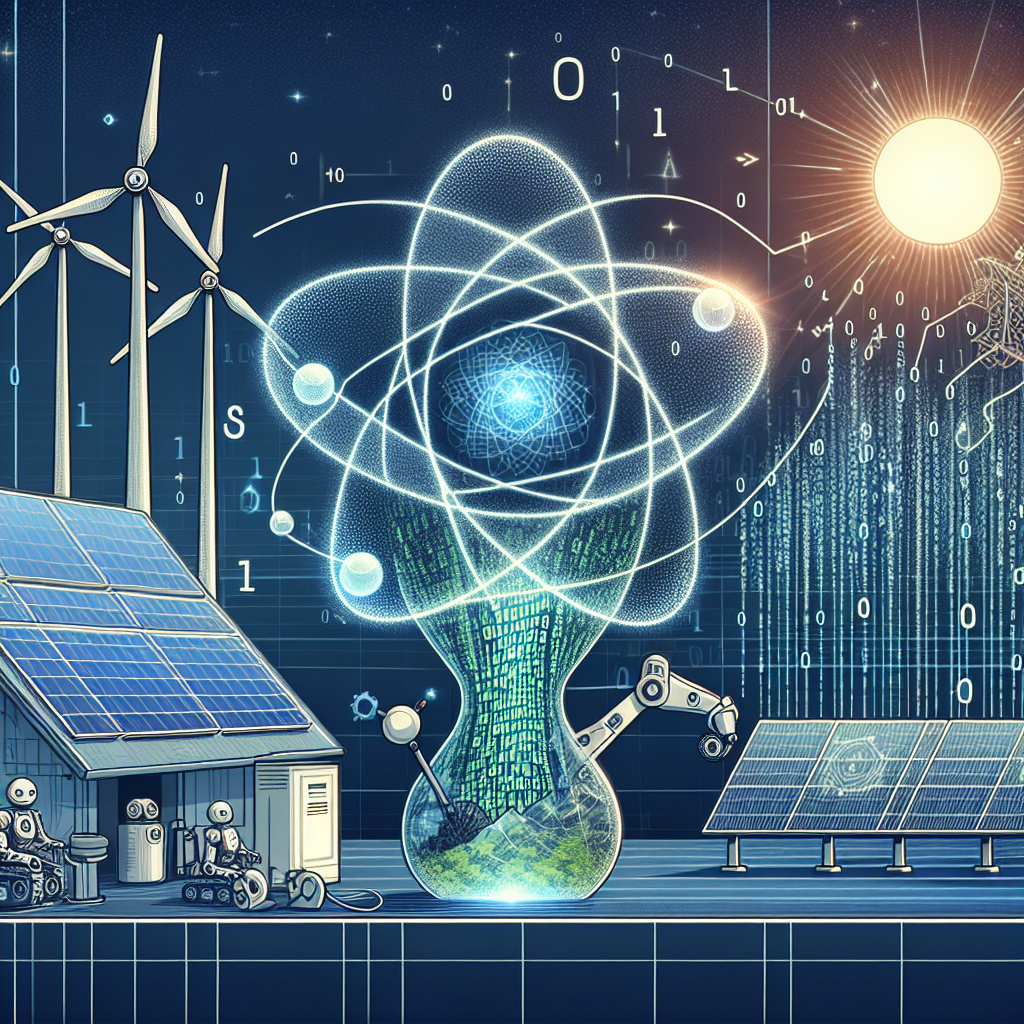
The Role of AI Deployment in Renewable Energy Development
Introduction
The world is facing a critical challenge in the form of climate change, and the need for sustainable energy sources has never been more urgent. Renewable energy, such as solar and wind power, has emerged as a viable solution to reduce carbon emissions and combat climate change. However, the intermittent nature of renewable energy sources poses a challenge for their widespread adoption.
Artificial intelligence (AI) has the potential to revolutionize the renewable energy sector by optimizing energy production, improving efficiency, and reducing costs. AI technologies, such as machine learning and predictive analytics, can help renewable energy operators make data-driven decisions and maximize the utilization of renewable energy sources. In this article, we will explore the role of AI deployment in renewable energy development and its potential impact on the global energy landscape.
Optimizing Energy Production
One of the key benefits of AI deployment in renewable energy development is the ability to optimize energy production. Renewable energy sources, such as solar and wind power, are inherently variable and dependent on weather conditions. AI technologies can help renewable energy operators forecast energy production more accurately and adjust their operations in real-time to maximize energy output.
For example, AI algorithms can analyze historical weather data, current weather conditions, and energy production data to predict how much energy will be generated in the future. This information can help operators make informed decisions about when to ramp up or down energy production, deploy energy storage solutions, or sell excess energy back to the grid. By optimizing energy production, AI can help renewable energy operators increase their revenue and reduce their carbon footprint.
Improving Efficiency
AI deployment in renewable energy development can also improve the efficiency of energy production and distribution. AI technologies can analyze vast amounts of data in real-time to identify patterns, trends, and anomalies that human operators might miss. This information can help operators identify inefficiencies in their energy production processes, such as equipment failures, maintenance issues, or suboptimal operating conditions.
By identifying and addressing these inefficiencies, AI can help renewable energy operators reduce downtime, increase energy production, and lower operational costs. For example, AI-powered predictive maintenance systems can analyze equipment performance data to predict when components are likely to fail and schedule maintenance proactively. This can help operators avoid costly downtime and extend the lifespan of their equipment.
Reducing Costs
In addition to optimizing energy production and improving efficiency, AI deployment in renewable energy development can also help reduce costs. By leveraging AI technologies, renewable energy operators can lower their operational costs, increase their return on investment, and make renewable energy more competitive with traditional fossil fuels.
For example, AI-powered energy management systems can optimize energy production and consumption in real-time to minimize energy costs. These systems can analyze energy prices, demand patterns, and weather forecasts to determine the most cost-effective way to generate, store, and distribute energy. By reducing energy costs, AI can help renewable energy operators increase their profitability and pass on savings to consumers.
FAQs
Q: How does AI help optimize energy production in renewable energy development?
A: AI technologies, such as machine learning and predictive analytics, can analyze historical weather data, current weather conditions, and energy production data to predict how much energy will be generated in the future. This information can help operators make informed decisions about when to ramp up or down energy production, deploy energy storage solutions, or sell excess energy back to the grid.
Q: How does AI improve efficiency in renewable energy development?
A: AI technologies can analyze vast amounts of data in real-time to identify patterns, trends, and anomalies that human operators might miss. This information can help operators identify inefficiencies in their energy production processes, such as equipment failures, maintenance issues, or suboptimal operating conditions. By addressing these inefficiencies, AI can help operators reduce downtime, increase energy production, and lower operational costs.
Q: How does AI reduce costs in renewable energy development?
A: By leveraging AI technologies, renewable energy operators can lower their operational costs, increase their return on investment, and make renewable energy more competitive with traditional fossil fuels. For example, AI-powered energy management systems can optimize energy production and consumption in real-time to minimize energy costs. These systems can analyze energy prices, demand patterns, and weather forecasts to determine the most cost-effective way to generate, store, and distribute energy.
Conclusion
AI deployment in renewable energy development has the potential to revolutionize the energy sector and accelerate the transition to a sustainable energy future. By optimizing energy production, improving efficiency, and reducing costs, AI technologies can help renewable energy operators maximize the utilization of renewable energy sources and reduce their carbon footprint. As the global demand for clean energy continues to grow, AI deployment in renewable energy development will play a crucial role in shaping the future of energy production and distribution.