
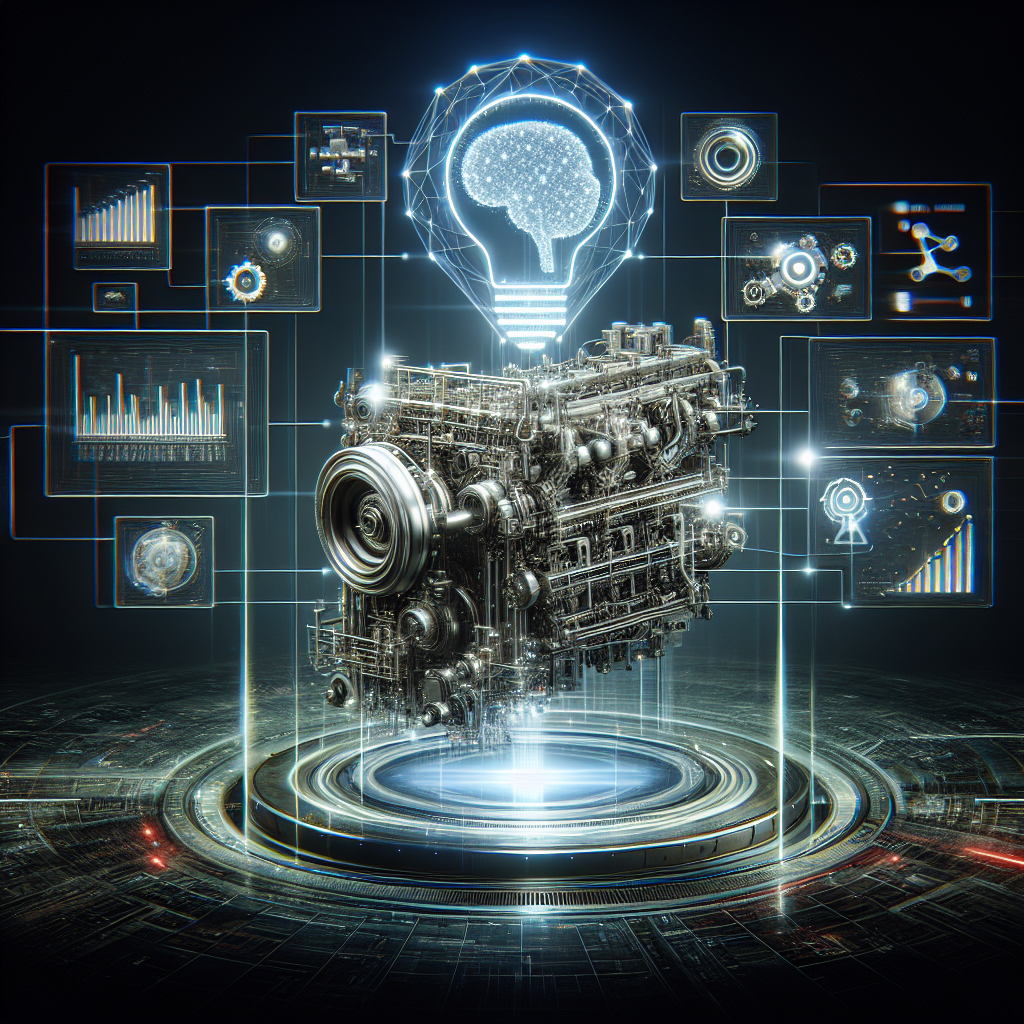
In recent years, the use of artificial intelligence (AI) in predictive maintenance has been gaining traction in various industries. This innovative approach relies on data-driven insights to anticipate equipment failures and optimize maintenance schedules, ultimately reducing downtime and costs. In this article, we will explore the role of AI-driven solutions in predictive maintenance and how they are revolutionizing traditional maintenance practices.
Predictive maintenance is a proactive maintenance strategy that uses data and analytics to predict when a piece of equipment will fail, allowing maintenance teams to schedule repairs before a breakdown occurs. This approach is in contrast to reactive maintenance, where equipment is only repaired after it has failed, leading to costly downtime and potential damage to other components.
AI-driven solutions play a crucial role in predictive maintenance by analyzing vast amounts of data collected from sensors, equipment, and other sources to identify patterns and trends that indicate potential issues. By leveraging machine learning algorithms, AI can detect anomalies in data, predict equipment failures, and recommend the most effective maintenance actions to prevent breakdowns.
One of the key benefits of AI-driven predictive maintenance is its ability to optimize maintenance schedules. Traditional maintenance practices often rely on fixed time intervals or the condition of equipment to determine when maintenance is needed. However, this approach can lead to unnecessary maintenance or missed opportunities to address critical issues. AI-driven solutions, on the other hand, can analyze real-time data to predict when maintenance is required, taking into account factors such as equipment usage, environmental conditions, and historical data.
Another advantage of AI-driven predictive maintenance is its ability to prioritize maintenance tasks based on the criticality of equipment. By analyzing data on equipment performance and failure rates, AI can identify the most critical assets and recommend maintenance actions that will have the greatest impact on overall operations. This helps organizations focus their resources on the most important tasks and minimize downtime on critical equipment.
AI-driven solutions also enable predictive maintenance teams to move from a reactive to a proactive approach. By continuously monitoring equipment performance and analyzing data in real-time, AI can detect early warning signs of potential failures and alert maintenance teams to take preventive action. This proactive approach helps organizations avoid costly downtime and reduce the risk of catastrophic equipment failures.
In addition to optimizing maintenance schedules and prioritizing tasks, AI-driven solutions can also improve the accuracy of maintenance predictions. By analyzing historical data and identifying patterns in equipment performance, AI can provide more precise estimates of when maintenance is required and what actions need to be taken. This allows maintenance teams to plan and execute maintenance activities more effectively, leading to higher equipment reliability and reduced maintenance costs.
Overall, the role of AI-driven solutions in predictive maintenance is to transform traditional maintenance practices by leveraging data and analytics to anticipate equipment failures, optimize maintenance schedules, and improve the accuracy of maintenance predictions. By harnessing the power of AI, organizations can achieve significant cost savings, increase equipment reliability, and enhance overall operational efficiency.
FAQs:
Q: How does AI-driven predictive maintenance differ from traditional maintenance practices?
A: AI-driven predictive maintenance uses data and analytics to anticipate equipment failures and optimize maintenance schedules, whereas traditional maintenance practices rely on fixed time intervals or the condition of equipment to determine when maintenance is needed.
Q: What are the key benefits of AI-driven predictive maintenance?
A: The key benefits of AI-driven predictive maintenance include optimized maintenance schedules, prioritization of maintenance tasks, a proactive approach to maintenance, and improved accuracy of maintenance predictions.
Q: How can organizations implement AI-driven predictive maintenance?
A: Organizations can implement AI-driven predictive maintenance by collecting data from sensors and equipment, using machine learning algorithms to analyze data, and integrating AI-driven solutions with existing maintenance systems.
Q: What are the challenges of implementing AI-driven predictive maintenance?
A: Some challenges of implementing AI-driven predictive maintenance include the need for high-quality data, the complexity of machine learning algorithms, and the integration of AI-driven solutions with existing maintenance practices.
Q: How can organizations measure the success of AI-driven predictive maintenance?
A: Organizations can measure the success of AI-driven predictive maintenance by tracking key performance indicators such as equipment uptime, maintenance costs, and overall operational efficiency.