
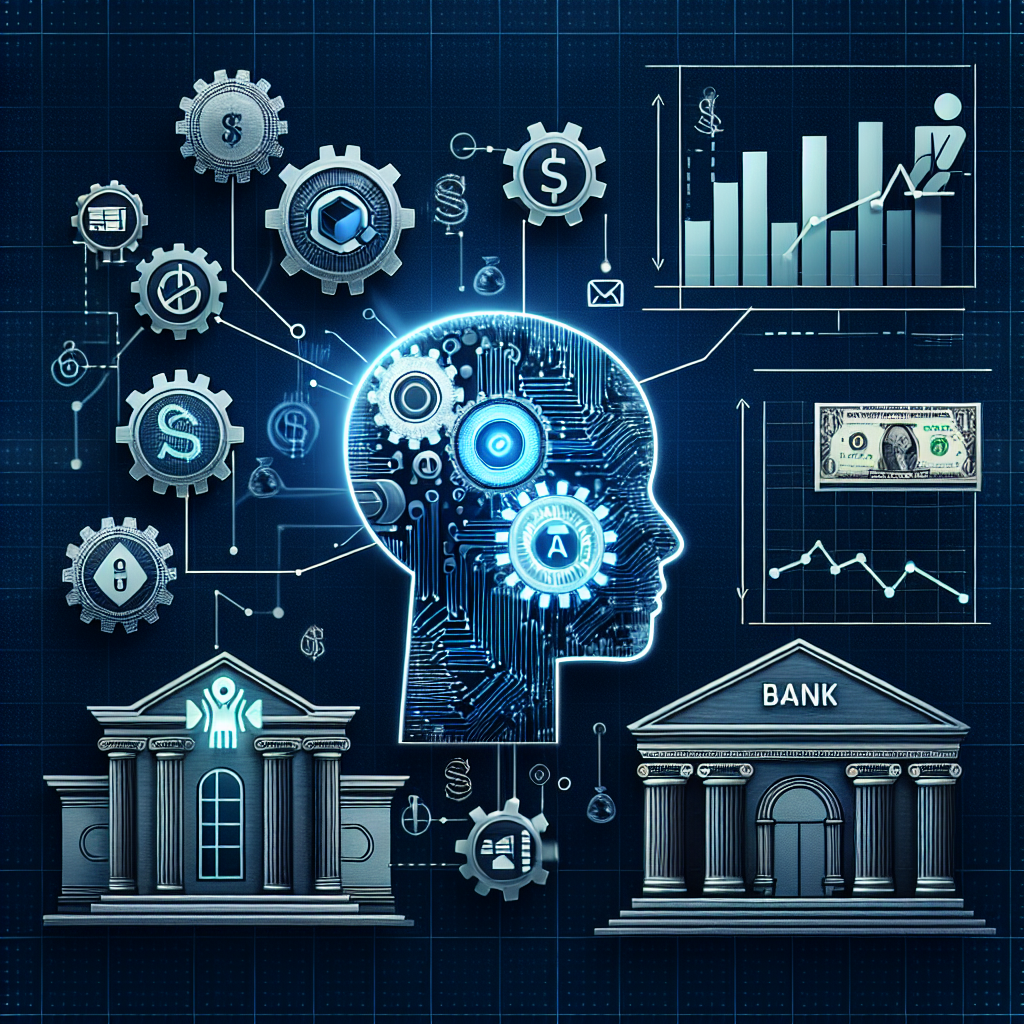
In recent years, the use of artificial intelligence (AI) in algorithmic trading strategies has become increasingly prevalent in the banking industry. AI technologies, such as machine learning and natural language processing, are revolutionizing the way banks conduct trading activities by enabling them to analyze vast amounts of data in real-time and make more informed decisions. This article will explore the role of AI in algorithmic trading strategies for banks, including its benefits, challenges, and future implications.
Benefits of AI in Algorithmic Trading Strategies for Banks
1. Increased Efficiency: AI algorithms can process and analyze large amounts of data at a much faster rate than humans. This enables banks to execute trades more efficiently and accurately, leading to improved performance and reduced operational costs.
2. Improved Decision Making: AI can analyze market trends, news, and historical data to identify trading opportunities and make informed decisions. This helps banks to minimize risks and maximize returns on their investments.
3. Risk Management: AI algorithms can continuously monitor market conditions and identify potential risks in real-time. This enables banks to adjust their trading strategies accordingly and mitigate potential losses.
4. Personalized Trading Strategies: AI can analyze individual customer preferences and behavior to create personalized trading strategies that meet their unique needs and objectives. This enhances customer satisfaction and loyalty.
Challenges of AI in Algorithmic Trading Strategies for Banks
1. Data Quality: The success of AI algorithms depends on the quality and accuracy of the data they are trained on. Banks must ensure that the data they use is clean, reliable, and up-to-date to avoid making flawed decisions.
2. Regulatory Compliance: Banks must comply with strict regulations and guidelines when using AI in algorithmic trading strategies. This includes ensuring transparency, accountability, and fairness in their decision-making processes.
3. Cybersecurity Risks: AI algorithms are vulnerable to cyberattacks and hacking attempts. Banks must implement robust cybersecurity measures to protect their trading systems and prevent unauthorized access to sensitive data.
4. Ethical Concerns: The use of AI in algorithmic trading raises ethical concerns regarding privacy, bias, and discrimination. Banks must address these issues by implementing ethical guidelines and standards in their trading practices.
Future Implications of AI in Algorithmic Trading Strategies for Banks
1. Advanced AI Technologies: The future of AI in algorithmic trading will likely involve the use of more advanced technologies, such as deep learning and reinforcement learning. These technologies can enable banks to develop more sophisticated trading strategies and achieve higher levels of performance.
2. Greater Automation: AI algorithms will continue to automate more aspects of the trading process, from data analysis to trade execution. This will enable banks to operate more efficiently and effectively in the highly competitive financial markets.
3. Enhanced Customer Experience: AI can help banks provide a more personalized and seamless trading experience for their customers. By analyzing customer data and preferences, banks can tailor their services to meet the individual needs of each client.
4. Regulatory Evolution: As AI technologies continue to evolve, regulators will need to adapt and develop new guidelines and standards to ensure the safe and ethical use of AI in algorithmic trading. This will require collaboration between banks, regulators, and other stakeholders to address emerging challenges and risks.
FAQs:
1. What is algorithmic trading?
Algorithmic trading is the use of computer algorithms to execute trading strategies automatically. These algorithms analyze market data, identify trading opportunities, and execute trades at high speeds without human intervention.
2. How does AI improve algorithmic trading strategies?
AI technologies, such as machine learning and natural language processing, can analyze vast amounts of data in real-time to identify trading opportunities, predict market trends, and optimize trading strategies. This enables banks to make more informed decisions and achieve better performance in the financial markets.
3. What are the key benefits of AI in algorithmic trading strategies for banks?
The key benefits of AI in algorithmic trading strategies for banks include increased efficiency, improved decision-making, risk management, and personalized trading strategies. AI algorithms can process and analyze data at a much faster rate than humans, enabling banks to execute trades more efficiently and accurately.
4. What are the main challenges of AI in algorithmic trading strategies for banks?
The main challenges of AI in algorithmic trading strategies for banks include data quality, regulatory compliance, cybersecurity risks, and ethical concerns. Banks must ensure that the data they use is clean and reliable, comply with regulations and guidelines, implement robust cybersecurity measures, and address ethical issues in their trading practices.
5. What are the future implications of AI in algorithmic trading strategies for banks?
The future implications of AI in algorithmic trading strategies for banks include the use of more advanced AI technologies, greater automation of the trading process, enhanced customer experience, and regulatory evolution. Banks will continue to leverage AI to develop more sophisticated trading strategies, provide personalized services to customers, and adapt to evolving regulatory requirements.