
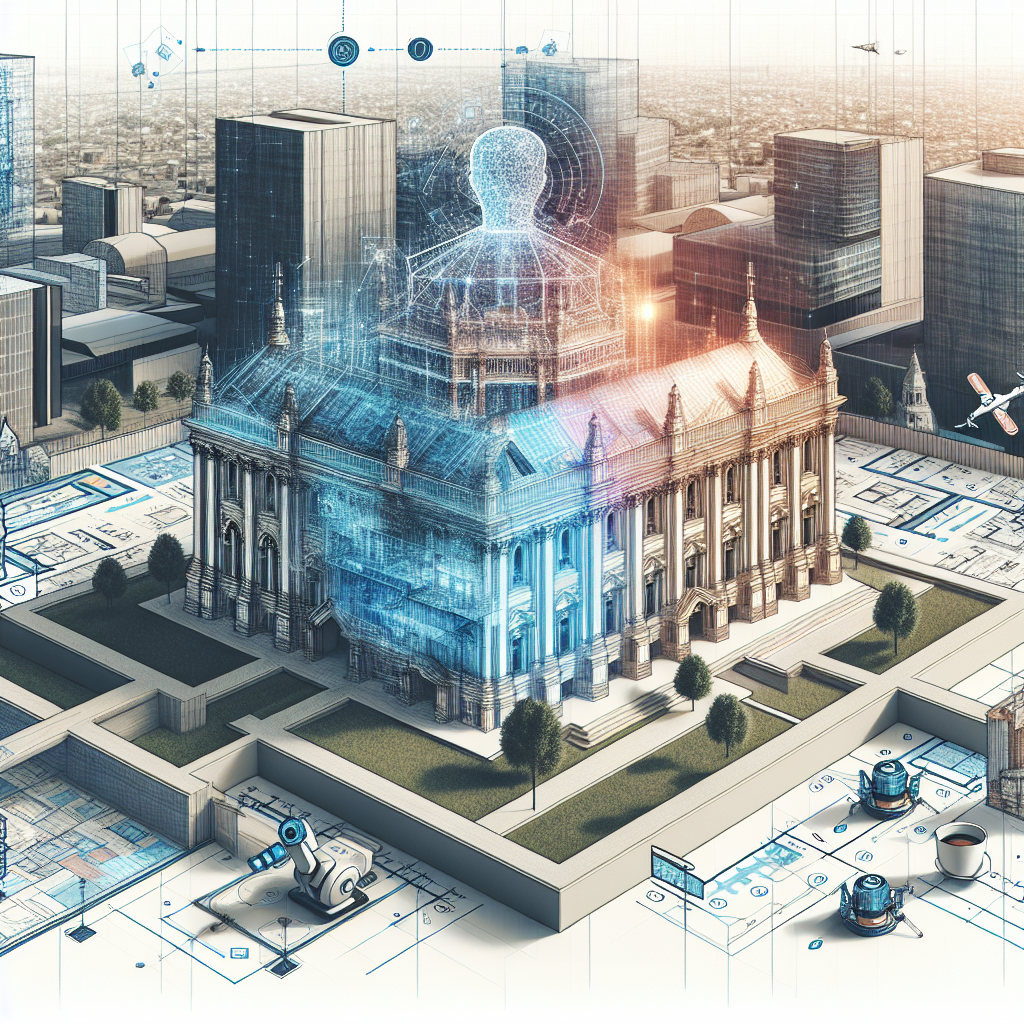
As technology continues to advance at a rapid pace, artificial intelligence (AI) is increasingly being utilized in various industries to streamline processes and improve efficiency. One area where AI is making a significant impact is in architectural heritage conservation. From digitizing and analyzing historical structures to predicting potential risks and creating virtual reconstructions, AI is revolutionizing the way we preserve and protect our architectural heritage.
The Role of AI in Architectural Heritage Conservation
1. Digitizing Historical Structures
One of the key roles of AI in architectural heritage conservation is digitizing historical structures. By using advanced imaging techniques such as laser scanning and photogrammetry, AI can create highly detailed 3D models of heritage buildings and monuments. These digital replicas not only serve as valuable records of the structures but also provide a basis for further analysis and conservation efforts.
2. Analyzing Structural Integrity
AI can also be used to analyze the structural integrity of historical buildings. By processing data from sensors and monitoring systems, AI algorithms can detect signs of deterioration or damage in real-time, allowing conservationists to address issues before they become more serious. This proactive approach to maintenance can help extend the lifespan of heritage structures and prevent costly repairs.
3. Predicting Risks
Another important role of AI in architectural heritage conservation is predicting risks to historical buildings. By analyzing historical data and environmental factors, AI can identify potential threats such as natural disasters, climate change, and urban development. This predictive capability allows conservationists to develop strategies to mitigate risks and safeguard heritage structures for future generations.
4. Creating Virtual Reconstructions
AI technology can also be used to create virtual reconstructions of historical buildings. By combining historical data with architectural knowledge and computer graphics, AI algorithms can generate realistic 3D models of heritage structures as they would have appeared in the past. These virtual reconstructions not only provide valuable insights into the history and evolution of the buildings but also serve as educational tools for the public.
5. Enhancing Conservation Planning
AI can assist in enhancing conservation planning for historical buildings. By analyzing large datasets and historical documents, AI algorithms can identify patterns and trends that can inform conservation strategies. This data-driven approach to planning can help conservationists make more informed decisions about the preservation and restoration of heritage structures.
FAQs
Q: How does AI help in preserving architectural heritage?
A: AI helps in preserving architectural heritage by digitizing historical structures, analyzing structural integrity, predicting risks, creating virtual reconstructions, and enhancing conservation planning.
Q: What are the benefits of using AI in architectural heritage conservation?
A: The benefits of using AI in architectural heritage conservation include improved efficiency, proactive maintenance, enhanced data analysis, and the creation of virtual reconstructions for educational purposes.
Q: How can AI be integrated into existing conservation practices?
A: AI can be integrated into existing conservation practices by incorporating AI tools and technologies into monitoring systems, data analysis processes, and conservation planning strategies.
Q: What are some examples of AI applications in architectural heritage conservation?
A: Some examples of AI applications in architectural heritage conservation include laser scanning for digitizing historical structures, predictive algorithms for risk assessment, and virtual reconstructions for educational purposes.
In conclusion, the role of AI in architectural heritage conservation is becoming increasingly important as we strive to preserve and protect our cultural heritage for future generations. By leveraging the power of AI technology, conservationists can digitize historical structures, analyze structural integrity, predict risks, create virtual reconstructions, and enhance conservation planning. With continued advancements in AI, we can look forward to a more sustainable and efficient approach to preserving our architectural heritage.