
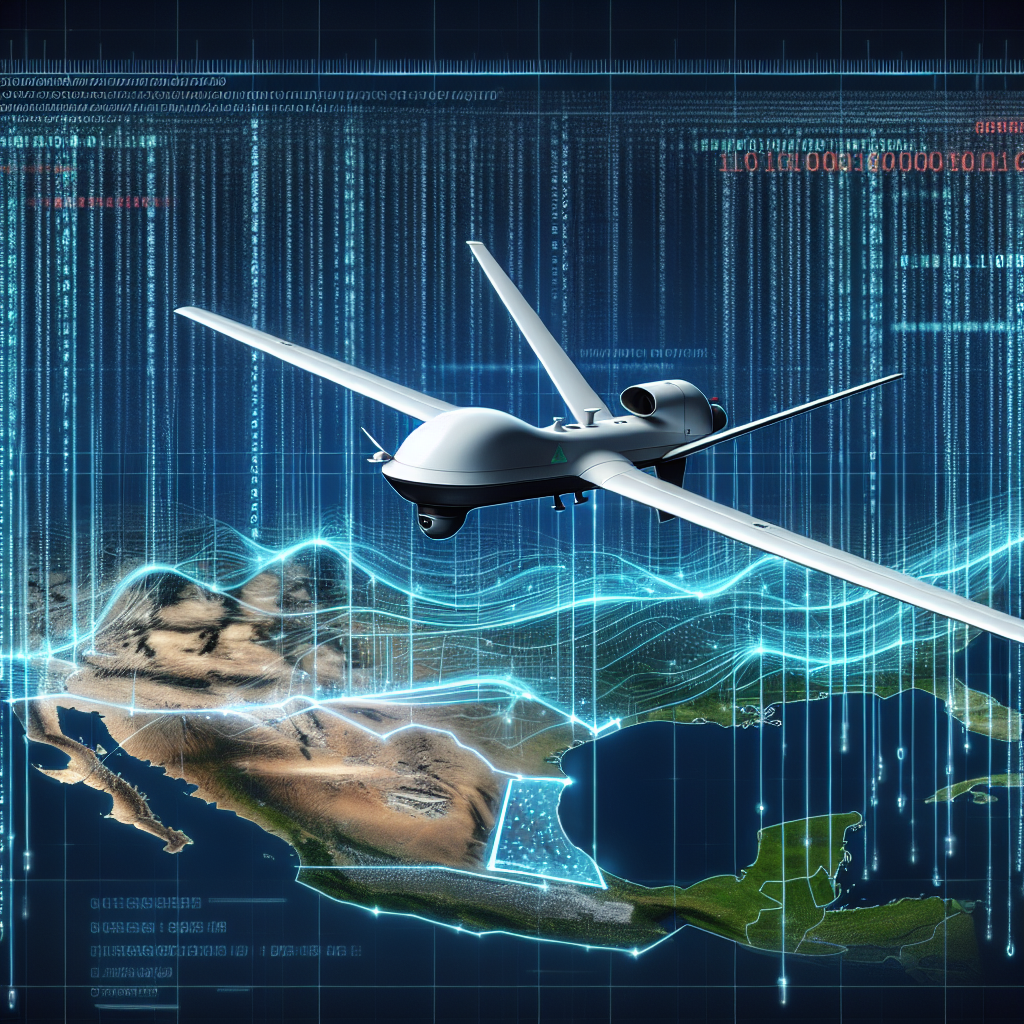
The Role of AI in Border Security
In recent years, the use of artificial intelligence (AI) in border security has become increasingly prevalent. AI technologies have the potential to significantly enhance the efficiency and effectiveness of border control measures, helping to identify threats and prevent unauthorized crossings. From facial recognition systems to automated drones, AI is revolutionizing the way border security is conducted around the world.
One of the key advantages of AI in border security is its ability to analyze vast amounts of data in real-time. AI-powered systems can process information from a variety of sources, such as cameras, sensors, and databases, to quickly identify suspicious activity and flag potential threats. This can help border control agencies to respond more quickly to security breaches and prevent them from escalating.
Facial recognition technology is one of the most widely used AI tools in border security. By scanning the faces of individuals entering or leaving a country, border control agencies can quickly identify known criminals or persons of interest. This can help to prevent terrorists, human traffickers, and other criminals from entering the country undetected. In addition, facial recognition technology can also be used to verify the identity of travelers, reducing the risk of identity theft and fraud.
Another important application of AI in border security is the use of automated drones. Drones equipped with AI-powered cameras can patrol border areas and provide real-time surveillance of potential threats. These drones can cover large areas quickly and efficiently, allowing border control agencies to monitor remote or challenging terrain more effectively. In addition, AI algorithms can help drones to identify suspicious behavior, such as unauthorized border crossings or smuggling activities, and alert authorities to take action.
AI technologies can also be used to enhance the screening of cargo and vehicles at border crossings. By analyzing data from x-ray scanners and other inspection tools, AI systems can quickly identify potential threats, such as hidden contraband or dangerous materials. This can help to prevent the smuggling of weapons, drugs, and other illicit goods across borders, enhancing national security and public safety.
In addition to these applications, AI can also help to streamline border control processes and improve the overall efficiency of border security operations. By automating routine tasks, such as passport checks and visa processing, AI systems can reduce the workload on border control officers and allow them to focus on more critical tasks. This can help to speed up the flow of travelers and goods across borders, while also improving security measures.
However, the use of AI in border security also raises concerns about privacy and civil liberties. Critics argue that the widespread deployment of facial recognition technology and other AI tools could infringe on individuals’ rights to privacy and freedom of movement. There are also concerns about the potential for bias and discrimination in AI algorithms, which could lead to unfair treatment of certain groups of people.
To address these concerns, border control agencies must implement strict safeguards and oversight mechanisms to ensure that AI technologies are used responsibly and ethically. This includes conducting regular audits of AI systems, ensuring transparency in how data is collected and used, and providing clear guidelines for the handling of sensitive information. Additionally, border control agencies must work closely with privacy advocates, civil liberties groups, and other stakeholders to address any concerns and ensure that AI technologies are deployed in a manner that respects individual rights and freedoms.
In conclusion, AI has the potential to revolutionize border security by enhancing the efficiency and effectiveness of security measures. From facial recognition systems to automated drones, AI technologies can help border control agencies to identify threats, prevent unauthorized crossings, and streamline border control processes. However, the use of AI in border security also raises concerns about privacy and civil liberties, which must be addressed through the implementation of strict safeguards and oversight mechanisms. By balancing the benefits of AI with the protection of individual rights, border control agencies can harness the power of AI to enhance national security and public safety.
FAQs:
Q: How does AI help in border security?
A: AI helps in border security by analyzing vast amounts of data in real-time, identifying threats, and preventing unauthorized crossings. AI technologies such as facial recognition systems and automated drones can enhance the efficiency and effectiveness of border control measures.
Q: What are some of the applications of AI in border security?
A: Some of the applications of AI in border security include facial recognition technology for identifying known criminals, automated drones for surveillance of border areas, and AI-powered systems for screening cargo and vehicles at border crossings.
Q: What are the concerns associated with the use of AI in border security?
A: Concerns associated with the use of AI in border security include privacy issues, potential bias and discrimination in AI algorithms, and the need for strict safeguards and oversight mechanisms to ensure that AI technologies are used responsibly and ethically.
Q: How can border control agencies address concerns about the use of AI in border security?
A: Border control agencies can address concerns about the use of AI in border security by implementing strict safeguards and oversight mechanisms, conducting regular audits of AI systems, and working closely with privacy advocates and other stakeholders to ensure that AI technologies are deployed in a manner that respects individual rights and freedoms.