
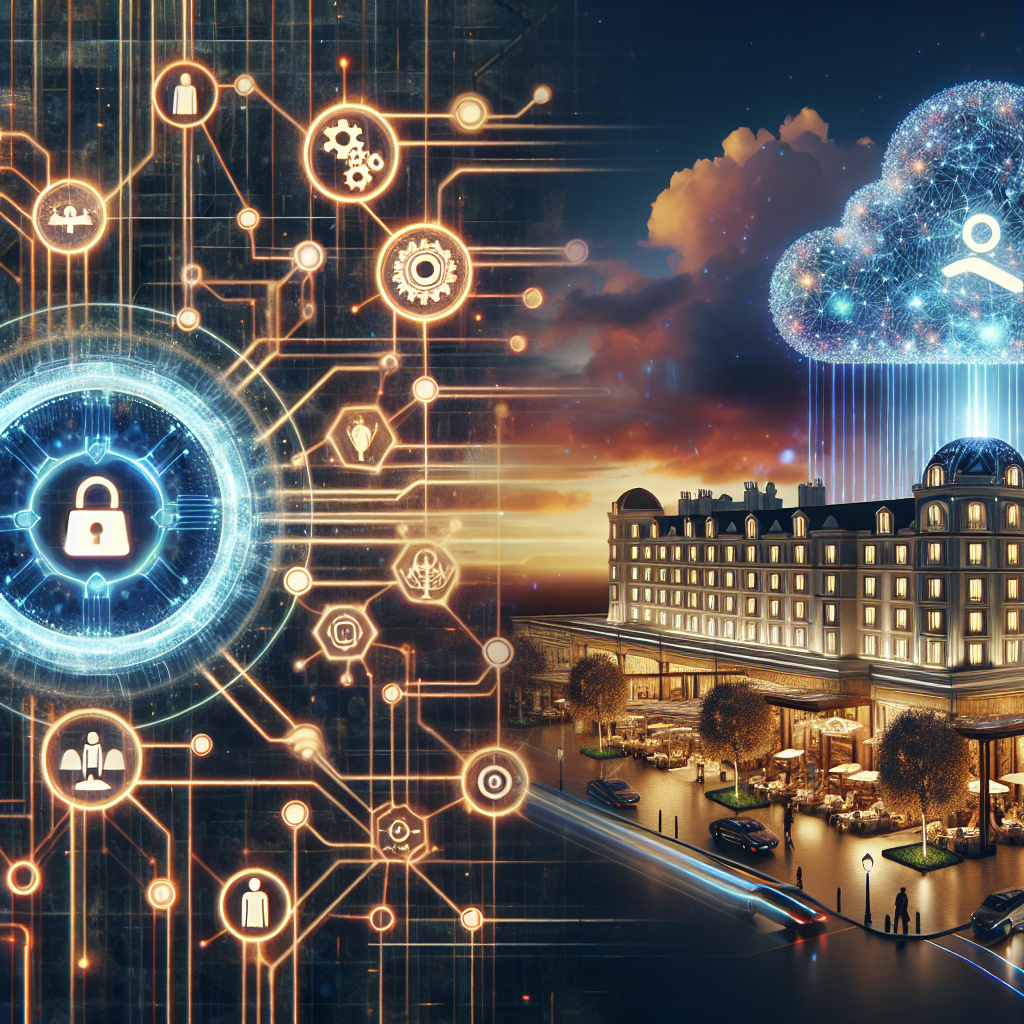
The Role of AI in Crisis Management for Hotels
In recent years, artificial intelligence (AI) has been increasingly utilized in various industries to streamline processes, improve efficiency, and enhance customer service. One area where AI has shown great potential is in crisis management for hotels. With the hospitality industry facing various challenges such as natural disasters, terrorist attacks, and health crises like the COVID-19 pandemic, hotels are turning to AI to help them better prepare for and respond to emergencies.
AI can play a crucial role in crisis management for hotels by providing real-time data analysis, predictive analytics, and automated responses to emergencies. By leveraging AI tools, hotels can improve their ability to anticipate and mitigate risks, communicate effectively with guests and staff during emergencies, and ensure a swift and coordinated response to crisis situations.
Real-time Data Analysis
One of the key benefits of AI in crisis management for hotels is its ability to analyze vast amounts of data in real-time. AI-powered tools can monitor various data sources, such as social media, news reports, weather forecasts, and guest feedback, to identify potential risks and alert hotel management to emerging threats. By analyzing this data, hotels can quickly assess the situation, make informed decisions, and take proactive measures to protect guests and staff.
Predictive Analytics
AI can also help hotels anticipate crises before they occur by using predictive analytics. By analyzing historical data, AI algorithms can identify patterns and trends that may indicate an increased risk of a crisis. For example, AI can predict the likelihood of a natural disaster, such as a hurricane or earthquake, occurring in a specific location based on historical weather patterns and geological data. By using this information, hotels can implement preventive measures to minimize the impact of potential crises.
Automated Responses
In the event of a crisis, AI-powered tools can help hotels respond quickly and efficiently by automating certain tasks. For example, AI chatbots can be used to communicate with guests and provide them with real-time updates on the situation, evacuation procedures, and safety instructions. By automating these communications, hotels can ensure that guests receive timely and accurate information, even during high-stress situations.
Furthermore, AI can be used to automate the coordination of emergency response teams, such as security personnel, first responders, and hotel staff. By using AI algorithms to assign tasks, track resources, and communicate with team members, hotels can ensure a swift and coordinated response to crisis situations.
FAQs
Q: How can AI help hotels prepare for crises?
A: AI can help hotels prepare for crises by analyzing real-time data, predicting potential risks, and automating responses to emergencies. By leveraging AI tools, hotels can improve their ability to anticipate and mitigate risks, communicate effectively with guests and staff during emergencies, and ensure a swift and coordinated response to crisis situations.
Q: What are some examples of AI-powered tools for crisis management in hotels?
A: Some examples of AI-powered tools for crisis management in hotels include real-time data analysis tools, predictive analytics software, AI chatbots for guest communication, and automated task assignment systems for emergency response teams.
Q: How can hotels implement AI in their crisis management strategies?
A: Hotels can implement AI in their crisis management strategies by partnering with AI technology providers, integrating AI tools into their existing systems, and training staff on how to use AI-powered tools effectively. By investing in AI technology and incorporating it into their crisis management plans, hotels can improve their ability to respond to emergencies quickly and efficiently.
Q: What are the benefits of using AI in crisis management for hotels?
A: Some benefits of using AI in crisis management for hotels include improved real-time data analysis, enhanced predictive analytics, automated responses to emergencies, and increased efficiency in coordinating emergency response teams. By leveraging AI tools, hotels can better prepare for and respond to crises, ultimately enhancing guest safety and satisfaction.
In conclusion, AI has the potential to revolutionize crisis management for hotels by providing real-time data analysis, predictive analytics, and automated responses to emergencies. By leveraging AI-powered tools, hotels can improve their ability to anticipate and mitigate risks, communicate effectively with guests and staff during emergencies, and ensure a swift and coordinated response to crisis situations. As the hospitality industry continues to face various challenges, hotels that embrace AI technology in their crisis management strategies will be better equipped to protect their guests and staff and maintain business continuity in the face of emergencies.