
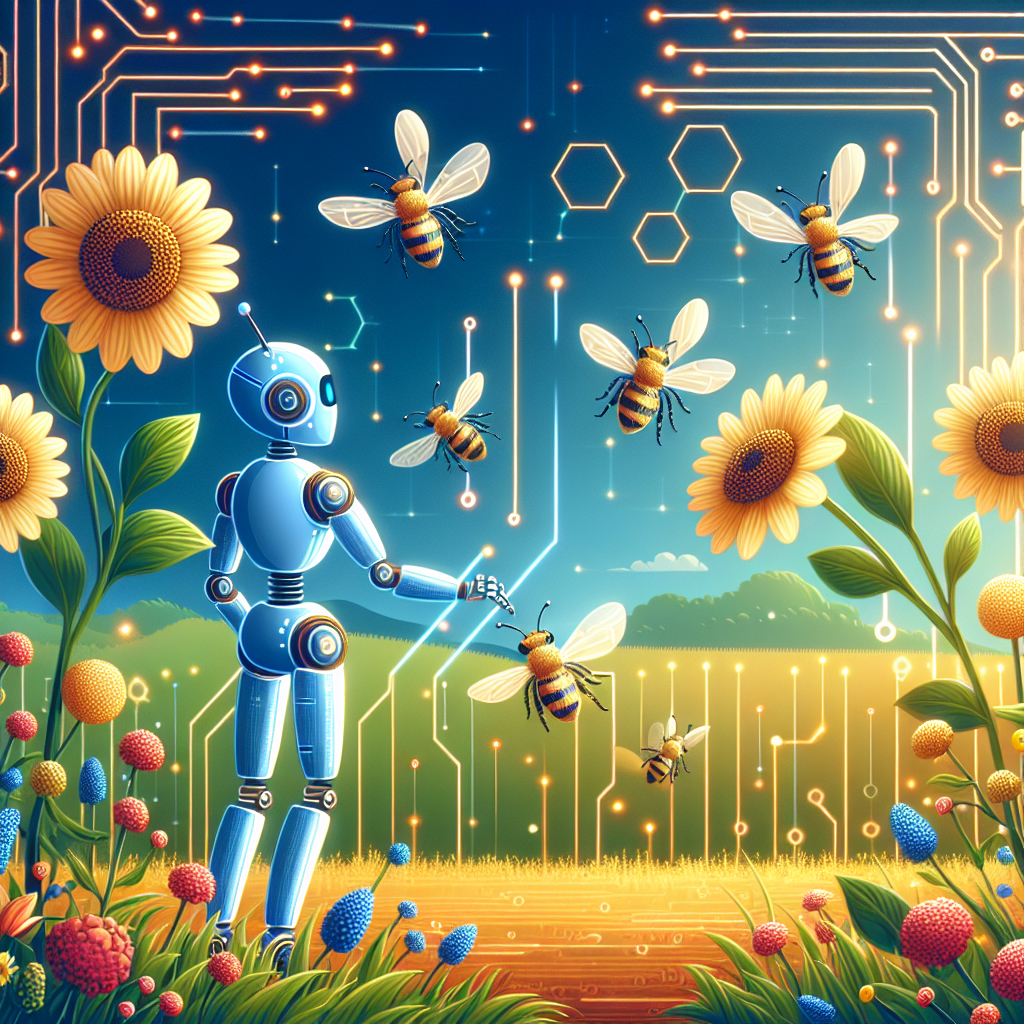
The Role of AI in Enhancing Pollination in Agriculture
Pollination is a crucial process in agriculture that allows plants to reproduce and produce fruits, vegetables, and seeds. It is estimated that around 75% of all crops worldwide depend on pollination to some extent. However, in recent years, there has been a decline in pollinators such as bees, butterflies, and other insects due to factors such as habitat loss, pesticide use, and climate change. This decline has raised concerns about the sustainability and productivity of agriculture.
To address this issue, researchers and farmers are turning to artificial intelligence (AI) technology to enhance pollination in agriculture. AI has the potential to revolutionize the way crops are pollinated, leading to increased yields, improved crop quality, and greater food security. In this article, we will explore the role of AI in enhancing pollination in agriculture and its potential benefits.
How AI Can Enhance Pollination in Agriculture
1. Drone Pollination: One of the most promising applications of AI in pollination is the use of drones to pollinate crops. Drones equipped with AI technology can fly over fields, identify flowers that need to be pollinated, and release pollen to fertilize them. This method is especially useful for crops that are difficult to pollinate manually, such as fruit trees and greenhouse-grown plants. Drone pollination can be more efficient and precise than traditional pollination methods, leading to higher crop yields and reduced labor costs.
2. Robot Pollinators: Another innovative use of AI in pollination is the development of robot pollinators. These robots are designed to mimic the behavior of natural pollinators, such as bees and butterflies, and can pollinate flowers autonomously. Robot pollinators can work around the clock, regardless of weather conditions, and can cover large areas of farmland efficiently. They can also be programmed to pollinate specific crops at specific times, ensuring optimal pollination rates and crop yields.
3. Smart Pollination Management: AI technology can also be used to optimize pollination management in agriculture. By analyzing data on crop flowering patterns, weather conditions, and pollinator behavior, AI algorithms can recommend the best pollination strategies for specific crops and locations. Farmers can use this information to plan their pollination activities more effectively, ensuring that crops receive the pollination they need to produce high-quality fruits and seeds.
4. Pollination Monitoring: AI-powered sensors and cameras can be used to monitor pollination activity in real-time. These devices can track the movements of pollinators, measure pollination rates, and identify areas of low pollination intensity. By analyzing this data, farmers can make informed decisions about when and how to intervene to improve pollination outcomes. For example, they can release more pollinators in areas with low pollination rates or adjust their crop management practices to attract more pollinators.
Benefits of AI-Enhanced Pollination in Agriculture
1. Increased Yields: By enhancing pollination efficiency, AI technology can help farmers increase their crop yields. Higher pollination rates lead to more fruits, vegetables, and seeds being produced, resulting in higher profits and food security.
2. Improved Crop Quality: Proper pollination is essential for the development of high-quality fruits and seeds. AI-enhanced pollination can ensure that crops receive the right amount of pollen at the right time, leading to better fruit set, uniformity, and size.
3. Reduced Labor Costs: Traditional pollination methods, such as manual pollination or the use of honeybees, can be labor-intensive and costly. AI-powered pollination solutions, such as drones and robots, can automate the pollination process and reduce the need for human labor, saving farmers time and money.
4. Environmental Sustainability: By reducing the reliance on natural pollinators, such as bees, AI-enhanced pollination can help protect these vital species from the threats they face, such as habitat loss and pesticide exposure. This, in turn, can contribute to the conservation of biodiversity and ecosystem health.
5. Climate Resilience: Climate change is expected to have significant impacts on pollinator populations and crop pollination. AI technology can help farmers adapt to changing environmental conditions by providing them with tools to optimize pollination management and ensure consistent pollination outcomes.
Frequently Asked Questions (FAQs)
Q: Will AI replace natural pollinators such as bees and butterflies?
A: AI technology is not intended to replace natural pollinators but to complement their efforts and enhance pollination outcomes. Natural pollinators play a vital role in agriculture, and efforts should be made to protect and conserve them.
Q: Are AI-powered pollination solutions safe for the environment?
A: AI-powered pollination solutions are designed to be safe for the environment and pollinators. Companies developing these technologies are committed to ensuring that their products do not harm natural ecosystems or disrupt pollinator populations.
Q: How affordable are AI-powered pollination solutions for small-scale farmers?
A: The cost of AI-powered pollination solutions varies depending on the technology used and the scale of the operation. While some solutions may be more expensive upfront, they can provide long-term cost savings and benefits for farmers in terms of increased yields and improved crop quality.
Q: Are there any regulatory barriers to the adoption of AI in pollination?
A: As with any new technology, there may be regulatory barriers to the adoption of AI in pollination. However, governments and agricultural agencies are increasingly recognizing the potential benefits of AI-enhanced pollination and are working to create supportive policies and guidelines for its use.
In conclusion, AI technology has the potential to revolutionize pollination in agriculture and address the challenges posed by declining pollinator populations. By harnessing the power of AI, farmers can enhance pollination efficiency, increase crop yields, and ensure food security for future generations. As the field of AI continues to advance, we can expect to see more innovative solutions that will help sustainably manage pollination in agriculture and protect our food supply.