
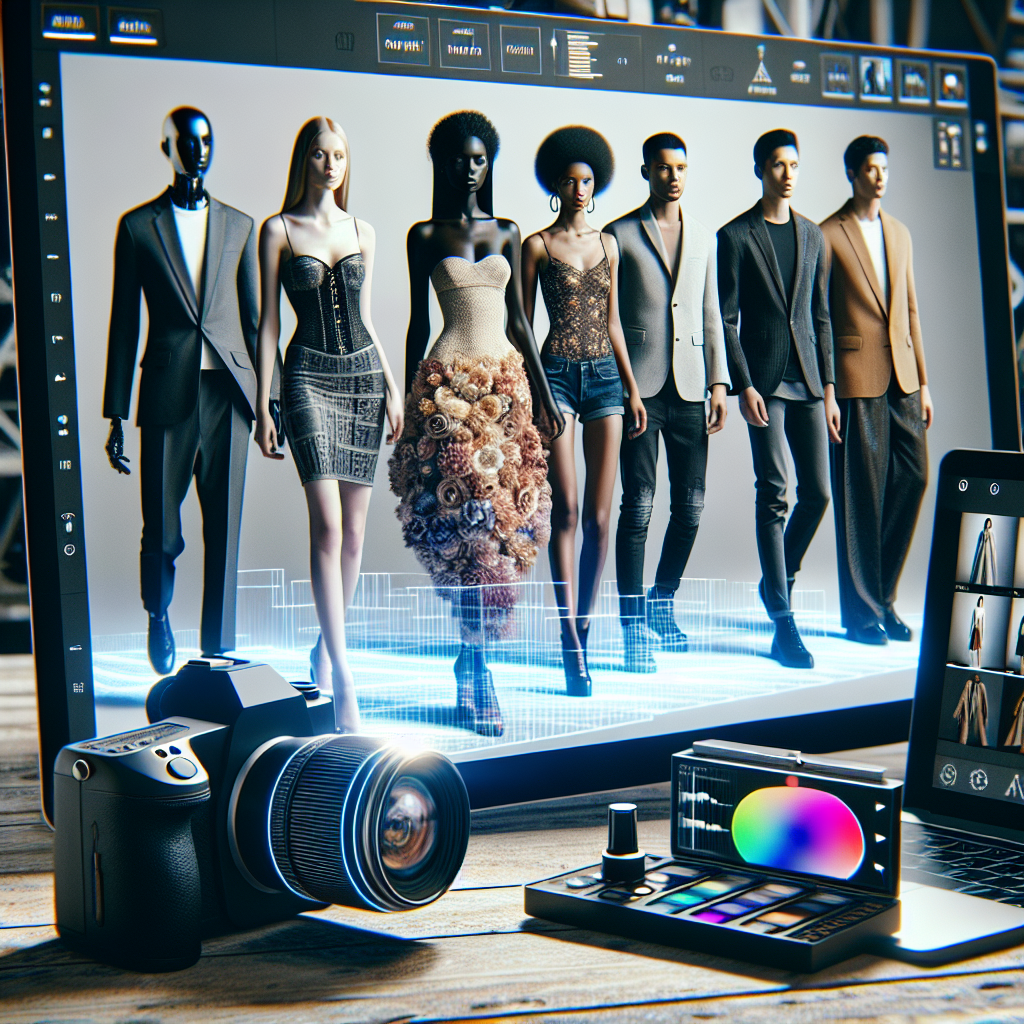
In recent years, artificial intelligence (AI) has been making significant advancements in various industries, including fashion photography and editing. AI technology has changed the way photographers work, making the process more efficient and accessible to a wider audience. In this article, we will explore the role of AI in fashion photography and editing, its benefits, and its impact on the industry.
AI in Fashion Photography:
AI technology has revolutionized the way fashion photographers work, offering innovative tools and solutions that enhance the creative process. AI-powered cameras can automatically adjust settings such as exposure, focus, and composition to capture the perfect shot. This feature is especially useful for photographers working in fast-paced environments like fashion shows and events, where every second counts.
AI can also help photographers with image recognition, allowing them to quickly tag and categorize their photos. This makes it easier to organize and search for specific images, saving photographers valuable time. AI can even recommend poses and expressions to models during a photoshoot, helping photographers achieve the desired look and feel for their images.
One of the most exciting developments in AI technology for fashion photography is the use of generative adversarial networks (GANs). GANs are a type of AI algorithm that can generate realistic images based on a set of input data. This technology has been used to create virtual fashion models, allowing photographers to experiment with different poses, outfits, and backgrounds without the need for a physical model.
AI in Fashion Editing:
AI technology has also revolutionized the editing process for fashion photographers. AI-powered editing software can automatically enhance and retouch photos, saving photographers hours of manual work. These tools can adjust colors, lighting, and skin tones to create stunning images that are ready for publication.
AI-powered editing software can also remove unwanted objects from photos, smooth out wrinkles and blemishes, and even change the background of an image. These features allow photographers to create flawless images that meet the high standards of the fashion industry.
Another exciting development in AI technology for fashion editing is the use of style transfer algorithms. These algorithms can apply the visual style of one image to another, allowing photographers to create unique and artistic effects in their photos. This technology is especially popular in fashion photography, where creativity and originality are highly valued.
Benefits of AI in Fashion Photography and Editing:
There are several benefits of using AI technology in fashion photography and editing. Some of the key advantages include:
1. Efficiency: AI-powered cameras and editing software can automate repetitive tasks, allowing photographers to focus on their creative vision. This saves time and increases productivity, making the workflow more efficient.
2. Accuracy: AI algorithms can analyze and enhance photos with precision, ensuring that every detail is perfect. This results in high-quality images that meet the standards of the fashion industry.
3. Creativity: AI technology can inspire photographers to experiment with new ideas and techniques, leading to innovative and original work. The use of GANs and style transfer algorithms can push the boundaries of traditional photography, creating unique and visually stunning images.
4. Accessibility: AI technology has made professional-level photography and editing tools more accessible to a wider audience. Both amateur and experienced photographers can use AI-powered software to improve their skills and create professional-looking images.
5. Cost-effectiveness: AI technology can reduce the need for expensive equipment and software, making fashion photography and editing more affordable for photographers. This allows photographers to invest in other aspects of their business, such as marketing and promotion.
Impact of AI on the Fashion Industry:
AI technology has had a significant impact on the fashion industry, transforming the way photographers work and collaborate with brands and designers. AI-powered cameras and editing software have made it easier for photographers to create high-quality images that showcase the latest trends and styles.
AI technology has also changed the way fashion brands and designers approach photography and marketing. AI algorithms can analyze consumer behavior and preferences, helping brands create targeted campaigns that resonate with their target audience. This data-driven approach has led to more personalized and effective marketing strategies, increasing brand awareness and sales.
Furthermore, AI technology has opened up new opportunities for collaboration between photographers, models, and designers. Virtual fashion models created using GANs can be used in photoshoots and campaigns, reducing the need for physical models and streamlining the creative process. This has allowed photographers to work with a wider range of talent and create innovative and visually stunning images.
FAQs:
Q: Can AI replace human photographers in the fashion industry?
A: While AI technology has made significant advancements in fashion photography, it is unlikely to replace human photographers entirely. AI algorithms can automate certain tasks and enhance the creative process, but human photographers bring a unique perspective and artistic vision to their work that cannot be replicated by AI.
Q: How can photographers incorporate AI technology into their workflow?
A: Photographers can incorporate AI technology into their workflow by using AI-powered cameras, editing software, and tools. These tools can automate repetitive tasks, enhance photos, and inspire creativity, making the workflow more efficient and productive. Photographers can also experiment with GANs and style transfer algorithms to create unique and visually stunning images.
Q: What are the ethical implications of using AI technology in fashion photography?
A: There are several ethical implications to consider when using AI technology in fashion photography, such as privacy concerns, bias in algorithms, and the impact on the job market. It is important for photographers to use AI technology responsibly and ethically, ensuring that they respect the rights and privacy of their subjects and adhere to industry standards and guidelines.
In conclusion, AI technology has had a profound impact on fashion photography and editing, revolutionizing the way photographers work and collaborate with brands and designers. AI-powered cameras and editing software have made the creative process more efficient, accurate, and accessible, leading to stunning images that meet the high standards of the fashion industry. As AI technology continues to evolve, photographers can expect even more innovative tools and solutions that will enhance their work and inspire creativity.