
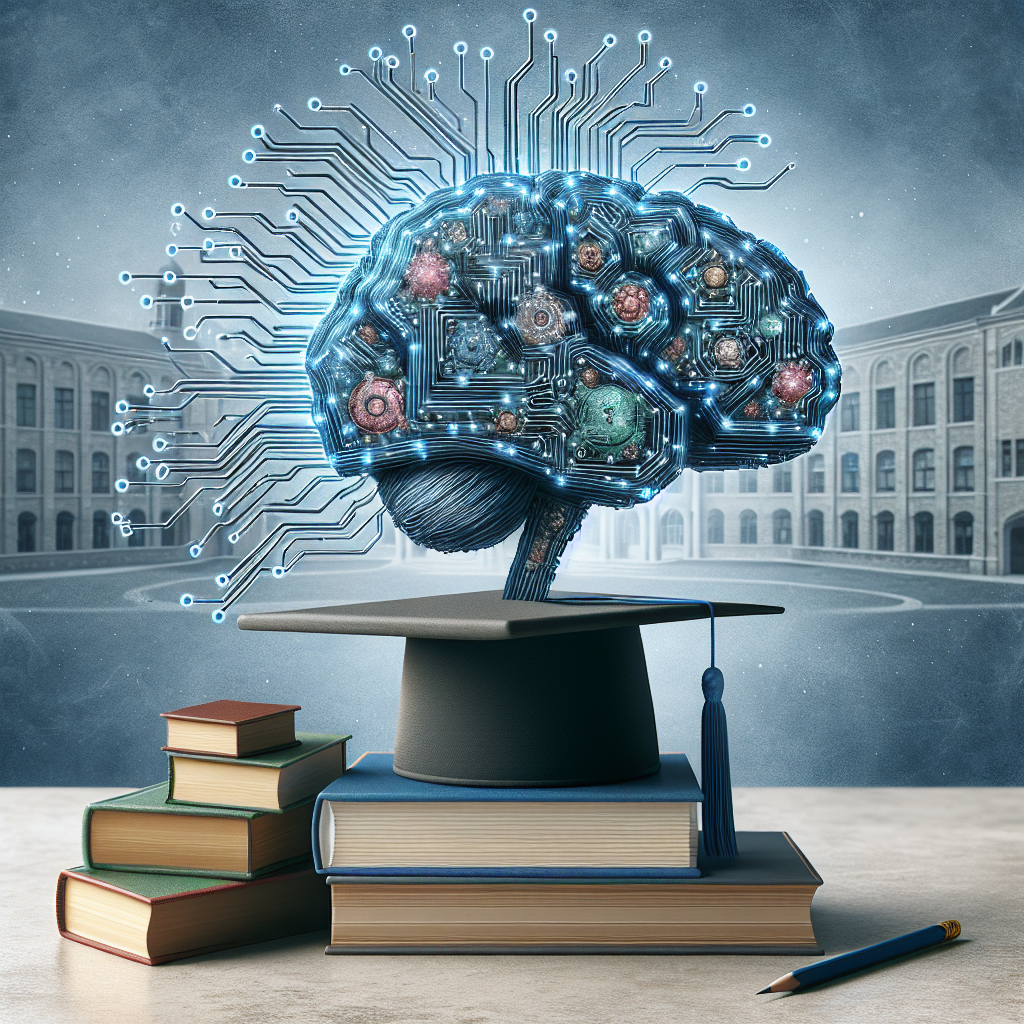
The Role of AI in Higher Order Thinking Skills
Artificial Intelligence (AI) has rapidly advanced in recent years, with applications in various fields such as healthcare, finance, and transportation. One area where AI is increasingly being utilized is in education, particularly in the development of higher order thinking skills. Higher order thinking skills refer to a set of cognitive processes that involve critical thinking, problem-solving, decision-making, and creativity. These skills are essential for students to succeed in the 21st century workforce, which values innovation and adaptability.
AI has the potential to enhance higher order thinking skills by providing personalized learning experiences, automating repetitive tasks, and facilitating collaborative learning. In this article, we will explore the role of AI in developing higher order thinking skills and its implications for the future of education.
Personalized Learning Experiences
One of the key benefits of AI in education is its ability to provide personalized learning experiences for students. AI algorithms can analyze student data, such as their learning preferences, strengths, and weaknesses, to create customized learning paths. This allows students to learn at their own pace and focus on areas where they need the most help.
For example, adaptive learning platforms use AI to deliver content that is tailored to each student’s individual needs. These platforms can adjust the difficulty level of the material based on the student’s performance, providing a more engaging and effective learning experience. By personalizing instruction, AI can help students develop higher order thinking skills by challenging them to think critically and creatively.
Automating Repetitive Tasks
AI can also help educators automate repetitive tasks, such as grading assignments and providing feedback. This allows teachers to spend more time on activities that require higher order thinking skills, such as designing engaging lessons and facilitating discussions. By freeing up educators’ time, AI enables them to focus on fostering students’ critical thinking and problem-solving abilities.
For example, AI-powered grading systems can quickly evaluate student responses to open-ended questions and provide instant feedback. This allows students to receive timely guidance on their work and encourages them to reflect on their thought processes. By automating routine tasks, AI can support the development of higher order thinking skills by promoting self-directed learning and metacognitive awareness.
Facilitating Collaborative Learning
AI can also facilitate collaborative learning by connecting students with peers from around the world. Virtual classrooms and online platforms enable students to collaborate on projects, share ideas, and receive feedback in real-time. By working together with others, students can develop their communication, teamwork, and problem-solving skills, all of which are essential for higher order thinking.
For example, AI-powered chatbots can facilitate group discussions and provide instant feedback on students’ ideas. These chatbots can analyze the content of conversations and offer suggestions for improving communication and critical thinking skills. By fostering collaboration, AI can help students develop higher order thinking skills by encouraging them to consider diverse perspectives and engage in constructive dialogue.
Implications for the Future of Education
The integration of AI in education has the potential to revolutionize the way students learn and develop higher order thinking skills. By providing personalized learning experiences, automating repetitive tasks, and facilitating collaborative learning, AI can support the development of critical thinking, problem-solving, decision-making, and creativity.
In the future, AI is likely to play an even greater role in education, as advances in technology continue to reshape the way we teach and learn. As AI becomes more sophisticated, it will be able to analyze student data in real-time, adapt instruction on the fly, and provide personalized feedback that promotes higher order thinking skills.
FAQs
1. How can AI support the development of critical thinking skills in students?
AI can support the development of critical thinking skills in students by providing personalized learning experiences, automating repetitive tasks, and facilitating collaborative learning. By analyzing student data, AI algorithms can create customized learning paths that challenge students to think critically and creatively. Additionally, AI-powered grading systems can provide instant feedback on student work, encouraging reflection and metacognitive awareness.
2. How does AI promote problem-solving skills in students?
AI promotes problem-solving skills in students by automating routine tasks and fostering collaborative learning. By freeing up educators’ time, AI allows teachers to focus on designing engaging lessons that encourage students to think critically and solve complex problems. Additionally, AI-powered chatbots can facilitate group discussions and provide instant feedback on students’ ideas, promoting teamwork and communication skills.
3. What are the advantages of using AI in education?
Some advantages of using AI in education include personalized learning experiences, automated grading systems, and collaborative learning platforms. AI can analyze student data to create customized learning paths, automate repetitive tasks such as grading assignments, and facilitate collaboration among students. These advantages can help students develop higher order thinking skills and succeed in the 21st century workforce.
4. How can educators integrate AI into their classrooms?
Educators can integrate AI into their classrooms by using adaptive learning platforms, automated grading systems, and virtual collaboration tools. By incorporating these AI technologies into their teaching practices, educators can provide personalized learning experiences, automate routine tasks, and facilitate collaborative learning. This can help students develop higher order thinking skills and prepare them for future challenges.
5. What are some challenges of using AI in education?
Some challenges of using AI in education include data privacy concerns, algorithm bias, and the need for teacher training. Educators must ensure that student data is protected and used ethically, and that AI algorithms do not reinforce existing biases. Additionally, educators may need training to effectively integrate AI technologies into their classrooms and support students’ development of higher order thinking skills.