
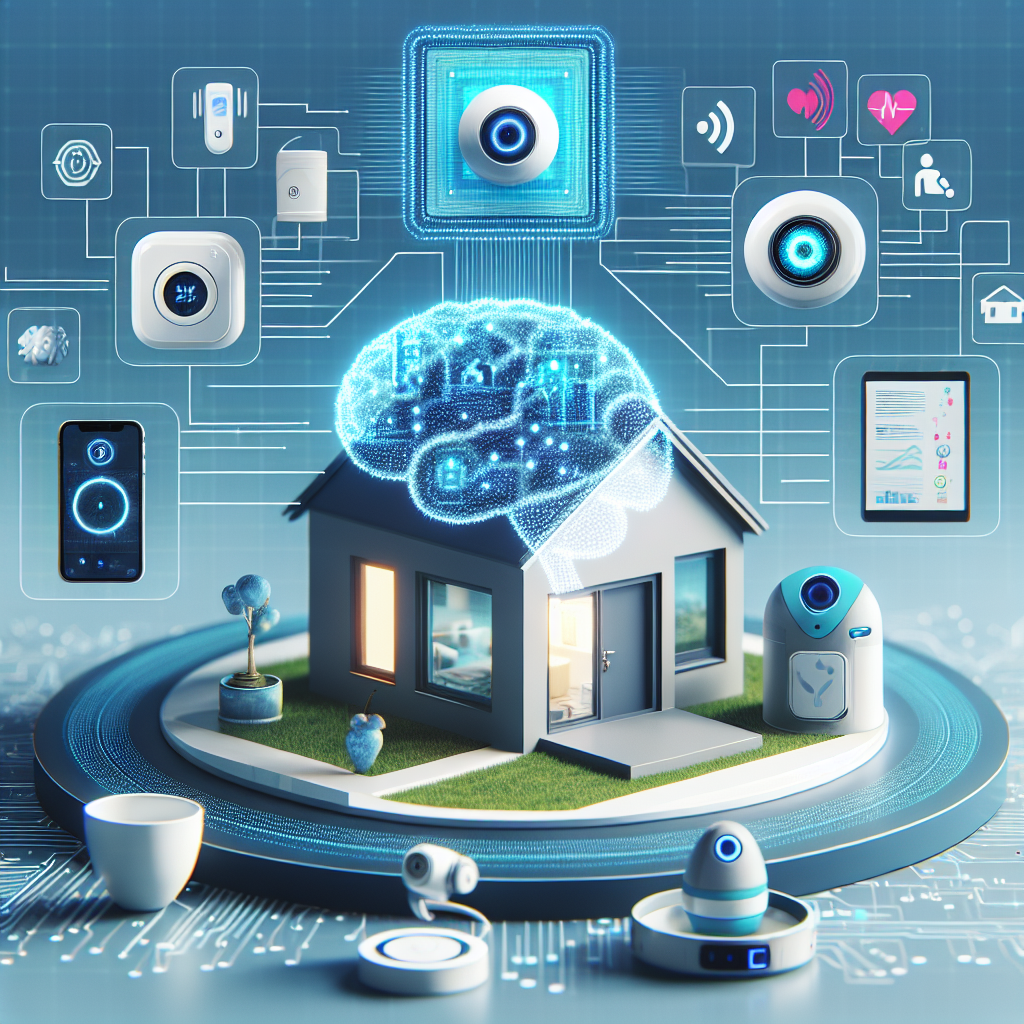
The Role of AI in Home Health Monitoring
As technology continues to advance, the role of artificial intelligence (AI) in home health monitoring is becoming increasingly important. AI has the potential to revolutionize the way we monitor and manage our health from the comfort of our own homes. In this article, we will explore the various ways in which AI is being used in home health monitoring and the benefits it can provide to both patients and healthcare providers.
What is AI in Home Health Monitoring?
AI in home health monitoring refers to the use of artificial intelligence technologies to monitor and track a person’s health and well-being at home. This can include monitoring vital signs, detecting changes in behavior, and providing personalized recommendations for improving health outcomes. AI algorithms can analyze large amounts of data collected from various sensors and devices to identify patterns and trends that may indicate potential health issues.
How is AI Used in Home Health Monitoring?
There are several ways in which AI is being used in home health monitoring:
1. Remote Monitoring: AI-powered devices can monitor a person’s vital signs, such as heart rate, blood pressure, and oxygen levels, in real-time from a remote location. This allows healthcare providers to track changes in a patient’s health and intervene quickly if necessary.
2. Behavior Analysis: AI algorithms can analyze patterns in a person’s behavior, such as sleep patterns, activity levels, and eating habits, to detect changes that may indicate a decline in health. This can help healthcare providers identify early warning signs of potential health issues and provide targeted interventions.
3. Personalized Recommendations: AI can provide personalized recommendations for improving health outcomes based on an individual’s specific health data. This can include suggestions for diet and exercise, medication reminders, and lifestyle changes that can help prevent or manage chronic conditions.
4. Predictive Analytics: AI algorithms can use historical health data to predict future health outcomes and identify individuals who may be at risk for certain health conditions. This can help healthcare providers intervene early and provide proactive care to prevent more serious health issues from developing.
Benefits of AI in Home Health Monitoring
There are several benefits to using AI in home health monitoring:
1. Improved Patient Outcomes: AI can help healthcare providers monitor patients more effectively and intervene quickly when necessary, leading to improved health outcomes and reduced hospitalizations.
2. Cost-Effective Care: Home health monitoring with AI can help reduce healthcare costs by preventing unnecessary hospital visits and providing more efficient care management.
3. Enhanced Patient Engagement: AI-powered devices can empower patients to take control of their health by providing personalized recommendations and feedback on their health status.
4. Early Detection of Health Issues: AI algorithms can detect subtle changes in a person’s health that may not be immediately obvious, allowing for early intervention and treatment.
5. Remote Monitoring: AI in home health monitoring allows healthcare providers to monitor patients remotely, reducing the need for in-person visits and increasing access to care for patients in rural or underserved areas.
FAQs
Q: Is AI in home health monitoring secure and private?
A: Yes, AI in home health monitoring systems are designed to protect patient privacy and comply with strict security protocols to ensure that personal health data is kept secure.
Q: Can AI in home health monitoring replace traditional healthcare providers?
A: AI in home health monitoring is meant to complement, not replace, traditional healthcare providers. It can provide valuable insights and support for healthcare providers to make more informed decisions about patient care.
Q: How accurate is AI in home health monitoring?
A: AI algorithms in home health monitoring systems are continuously improving in accuracy and reliability. However, it is important to note that AI technology is not infallible and should be used in conjunction with human expertise for optimal results.
Q: Are there any potential drawbacks to using AI in home health monitoring?
A: While AI in home health monitoring offers many benefits, there are potential drawbacks to consider, such as the risk of data breaches, technical glitches, and the potential for over-reliance on technology at the expense of human interaction.
Q: How can I access AI-powered home health monitoring devices?
A: AI-powered home health monitoring devices are increasingly available on the market and can be purchased through healthcare providers, online retailers, or directly from manufacturers. It is important to consult with a healthcare provider before using any AI-powered health monitoring device to ensure it is appropriate for your specific health needs.
In conclusion, AI in home health monitoring has the potential to transform the way we monitor and manage our health, providing valuable insights and support for both patients and healthcare providers. By leveraging the power of AI algorithms, we can improve patient outcomes, reduce healthcare costs, and empower individuals to take control of their health from the comfort of their own homes.