
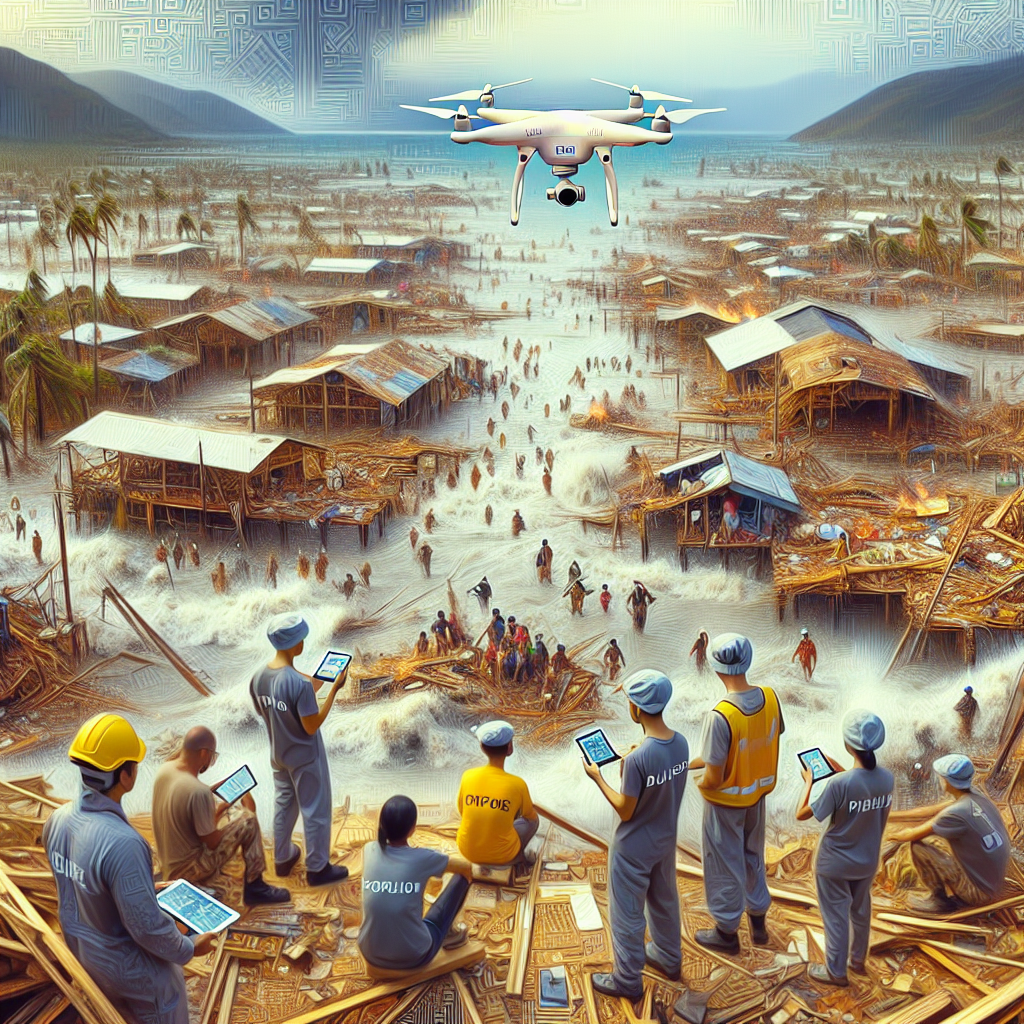
The Role of AI in Humanitarian Aid: Improving Disaster Response and Relief Efforts
In recent years, the impact of natural disasters and humanitarian crises has increased dramatically, affecting millions of people around the world. From earthquakes and hurricanes to famines and conflicts, these events have left communities devastated and in need of urgent assistance. In response to these challenges, humanitarian organizations and governments are turning to artificial intelligence (AI) to improve their disaster response and relief efforts.
AI has the potential to revolutionize the way humanitarian aid is delivered, helping organizations to better understand the needs of affected populations, coordinate response efforts, and allocate resources more effectively. By leveraging the power of AI, humanitarian organizations can save lives, reduce suffering, and build more resilient communities in the face of future disasters.
One of the key ways that AI is being used in humanitarian aid is through the analysis of big data. By collecting and analyzing large volumes of data from sources such as satellite imagery, social media, and mobile phone signals, AI algorithms can provide valuable insights into the impact of disasters and the needs of affected populations. For example, AI can be used to map the extent of damage caused by a hurricane, identify areas that are most in need of assistance, and predict where the next crisis may occur.
Another important application of AI in humanitarian aid is in the field of predictive analytics. By using machine learning algorithms to analyze historical data on disasters and humanitarian crises, organizations can better predict when and where future events may occur, allowing them to pre-position resources and respond more quickly when disaster strikes. This can help to save lives and reduce the impact of disasters on vulnerable communities.
AI is also being used to improve the efficiency of humanitarian aid delivery. By automating routine tasks such as data entry, resource allocation, and logistics planning, AI can help organizations to streamline their operations and focus more on delivering assistance to those in need. For example, AI-powered chatbots can be used to provide information and support to affected populations, freeing up human resources to focus on more complex tasks.
In addition to improving disaster response and relief efforts, AI can also help to build more resilient communities in the face of future disasters. By analyzing data on climate change, population growth, and other factors, AI algorithms can help organizations to better understand the risks facing communities and develop strategies to mitigate them. For example, AI can be used to identify areas that are most at risk of flooding and help communities to build better infrastructure to protect against future disasters.
Despite the many benefits of AI in humanitarian aid, there are also challenges and limitations to its use. One of the key challenges is ensuring that the data used to train AI algorithms is accurate, unbiased, and representative of the needs of affected populations. In many cases, data on disasters and humanitarian crises is incomplete or unreliable, making it difficult for AI algorithms to provide accurate predictions and recommendations.
Another challenge is the ethical implications of using AI in humanitarian aid. For example, there are concerns about privacy and data security when collecting and analyzing data on affected populations. There are also questions about the potential for AI to replace human workers in the field of humanitarian aid, raising concerns about job displacement and the impact on local communities.
Despite these challenges, the potential of AI to improve disaster response and relief efforts is significant. By harnessing the power of AI, humanitarian organizations can better understand the needs of affected populations, coordinate response efforts more effectively, and build more resilient communities in the face of future disasters. As AI technology continues to evolve, it is likely that its role in humanitarian aid will only grow in importance, helping to save lives and reduce suffering around the world.
FAQs
Q: How is AI being used in disaster response and relief efforts?
A: AI is being used in a variety of ways, including analyzing big data to understand the impact of disasters, predicting future events, and improving the efficiency of aid delivery.
Q: What are the benefits of using AI in humanitarian aid?
A: The benefits of using AI in humanitarian aid include saving lives, reducing suffering, and building more resilient communities in the face of future disasters.
Q: What are some of the challenges of using AI in humanitarian aid?
A: Some of the challenges of using AI in humanitarian aid include ensuring the accuracy and reliability of data, addressing ethical concerns, and mitigating the potential impact on human workers.
Q: How can organizations ensure that AI is used ethically in humanitarian aid?
A: Organizations can ensure that AI is used ethically by being transparent about their data collection and analysis practices, prioritizing the needs of affected populations, and engaging with stakeholders to address concerns.