
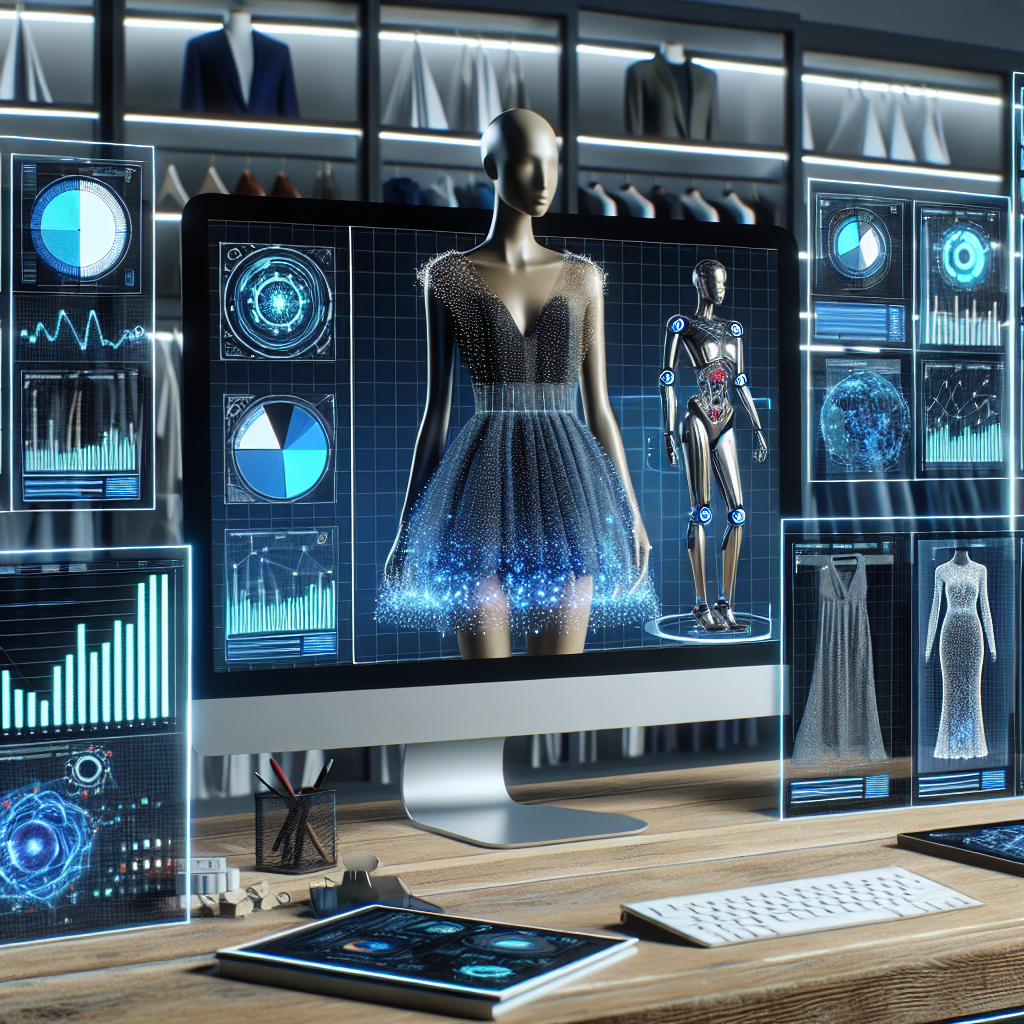
The Role of AI in Influencing Fashion Trends
Artificial Intelligence (AI) has become an integral part of many industries, including the fashion industry. With the ability to analyze vast amounts of data and predict trends, AI has revolutionized the way fashion trends are identified and marketed. In this article, we will explore the role of AI in influencing fashion trends and how it is changing the way we shop and consume fashion.
How AI is influencing fashion trends:
1. Predictive Analytics: AI algorithms can analyze data from social media, fashion shows, and online shopping patterns to predict future trends. By analyzing past trends and consumer behavior, AI can forecast what styles, colors, and designs will be popular in the future. This allows fashion brands to stay ahead of the curve and design collections that resonate with consumers.
2. Personalized Recommendations: AI-powered recommendation engines can analyze a consumer’s browsing and shopping history to suggest personalized fashion items. By using machine learning algorithms, AI can understand a consumer’s preferences and recommend products that match their style. This personalized approach to shopping makes the shopping experience more enjoyable and increases customer loyalty.
3. Trend Forecasting: AI can analyze social media trends, fashion blogs, and celebrity styles to forecast upcoming fashion trends. By analyzing images, text, and social media engagement, AI can identify emerging trends and predict what styles will be popular in the future. This allows fashion brands to create collections that align with current trends and appeal to their target audience.
4. Virtual Styling: AI-powered virtual styling tools can help consumers try on clothes virtually and experiment with different styles. By using augmented reality and machine learning algorithms, AI can recommend outfits based on a consumer’s body type, style preferences, and occasion. This virtual styling experience makes it easier for consumers to find the perfect outfit and reduces the need for physical try-ons.
5. Supply Chain Optimization: AI can optimize the fashion supply chain by analyzing sales data, production schedules, and inventory levels. By using predictive analytics, AI can forecast demand and optimize production schedules to minimize waste and reduce costs. This allows fashion brands to operate more efficiently and respond quickly to changing consumer demands.
FAQs:
1. How accurate are AI predictions in influencing fashion trends?
AI predictions are based on data analysis and machine learning algorithms, which can provide accurate forecasts of future trends. However, the accuracy of AI predictions depends on the quality of data and the algorithms used. Fashion brands that invest in AI technology and data analytics can achieve more accurate predictions and stay ahead of the competition.
2. Can AI replace human creativity in the fashion industry?
While AI can analyze data and predict trends, human creativity is still essential in the fashion industry. Fashion designers bring a unique perspective and artistic vision to the design process, which AI cannot replicate. AI can assist designers by providing data-driven insights and trend forecasts, but human creativity is still crucial in creating innovative and original designs.
3. How can fashion brands leverage AI to improve sustainability?
AI can help fashion brands improve sustainability by optimizing the supply chain, reducing waste, and minimizing environmental impact. By analyzing production processes, inventory levels, and consumer behavior, AI can identify opportunities to reduce waste and implement more sustainable practices. Fashion brands that prioritize sustainability can use AI to drive positive change and create a more environmentally-friendly industry.
4. What are the ethical implications of AI in the fashion industry?
AI in the fashion industry raises ethical concerns related to data privacy, bias, and transparency. Fashion brands must ensure that AI algorithms are ethical and transparent in their decision-making processes. By prioritizing ethical AI practices, fashion brands can build trust with consumers and create a more responsible industry.
In conclusion, AI is playing a significant role in influencing fashion trends and revolutionizing the way we shop and consume fashion. By leveraging predictive analytics, personalized recommendations, trend forecasting, virtual styling, and supply chain optimization, fashion brands can stay ahead of the curve and create innovative and sustainable collections. As AI continues to evolve, it will reshape the fashion industry and drive new opportunities for growth and creativity.