
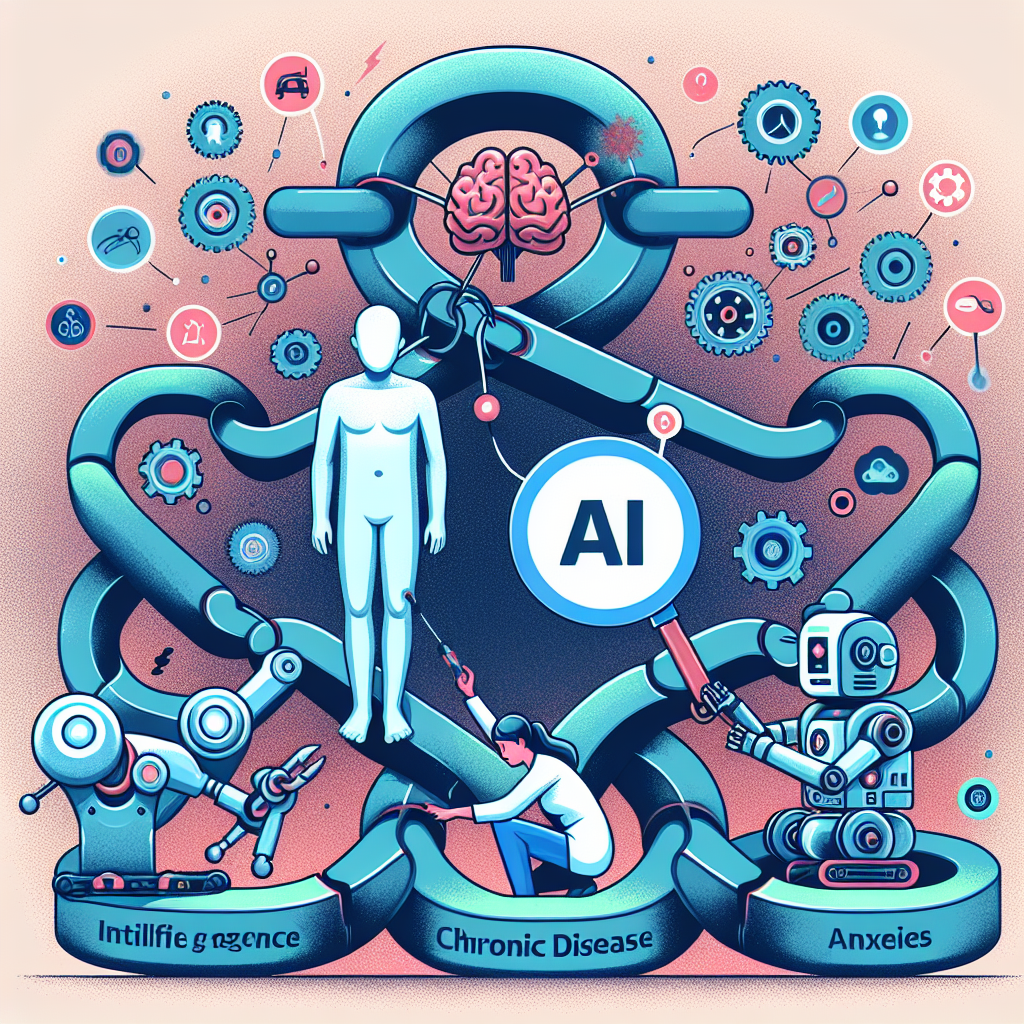
The Role of AI in Managing Chronic Diseases
Chronic diseases, such as diabetes, heart disease, and cancer, are among the leading causes of death and disability worldwide. These conditions require ongoing management and monitoring to prevent complications and improve quality of life. With the advancement of technology, artificial intelligence (AI) has emerged as a powerful tool in the management of chronic diseases. AI has the potential to revolutionize healthcare by providing personalized and timely interventions, improving diagnosis accuracy, and optimizing treatment plans. In this article, we will explore the role of AI in managing chronic diseases and its impact on healthcare.
AI in Diagnosis and Early Detection
One of the key benefits of AI in managing chronic diseases is its ability to improve diagnosis accuracy and early detection. AI algorithms can analyze large amounts of patient data, including medical records, imaging scans, and genetic information, to identify patterns and trends that may indicate the presence of a chronic disease. By detecting these diseases at an early stage, healthcare providers can intervene sooner and initiate appropriate treatment, potentially preventing complications and improving patient outcomes.
For example, AI-powered imaging systems can analyze medical images, such as X-rays and MRIs, to detect abnormalities that may be indicative of a chronic condition, such as cancer or heart disease. These systems can flag suspicious findings for further evaluation by healthcare providers, allowing for earlier diagnosis and treatment. In addition, AI algorithms can analyze genetic data to identify individuals who may be at increased risk for developing certain chronic diseases, enabling targeted interventions to prevent or delay the onset of these conditions.
AI in Personalized Treatment Plans
Another important role of AI in managing chronic diseases is its ability to develop personalized treatment plans for individual patients. Traditional treatment approaches are often based on population averages and may not take into account the unique characteristics and needs of each patient. AI algorithms can analyze a patient’s medical history, genetic profile, lifestyle factors, and treatment response to develop personalized treatment plans that are tailored to their specific needs.
For example, AI-powered predictive models can analyze patient data to predict how a patient is likely to respond to a particular medication or treatment, allowing healthcare providers to adjust the treatment plan as needed to optimize outcomes. AI algorithms can also identify patterns in patient data that may indicate the need for a change in treatment or the addition of a new intervention, enabling proactive management of chronic diseases.
AI in Remote Monitoring and Management
AI technology has also revolutionized the way chronic diseases are managed through remote monitoring and management solutions. These solutions use AI algorithms to analyze data from wearable devices, such as fitness trackers and smartwatches, to monitor patients’ health status in real-time. By continuously tracking key health indicators, such as blood pressure, heart rate, and glucose levels, healthcare providers can identify changes in a patient’s condition and intervene promptly to prevent complications.
Remote monitoring and management solutions can also provide patients with valuable insights into their health status and help them make informed decisions about their care. For example, AI-powered apps can analyze data from wearable devices to provide personalized recommendations for diet, exercise, and medication adherence, helping patients better manage their chronic condition and improve their quality of life.
Frequently Asked Questions (FAQs)
1. How does AI improve diagnosis accuracy in chronic diseases?
AI algorithms can analyze large amounts of patient data, including medical records, imaging scans, and genetic information, to identify patterns and trends that may indicate the presence of a chronic disease. By detecting these diseases at an early stage, healthcare providers can intervene sooner and initiate appropriate treatment, potentially preventing complications and improving patient outcomes.
2. How does AI develop personalized treatment plans for chronic diseases?
AI algorithms can analyze a patient’s medical history, genetic profile, lifestyle factors, and treatment response to develop personalized treatment plans that are tailored to their specific needs. By taking into account the unique characteristics and needs of each patient, AI can optimize treatment outcomes and improve patient satisfaction.
3. How does AI enable remote monitoring and management of chronic diseases?
AI technology enables remote monitoring and management solutions that use wearable devices, such as fitness trackers and smartwatches, to continuously track key health indicators, such as blood pressure, heart rate, and glucose levels. By analyzing this data in real-time, healthcare providers can identify changes in a patient’s condition and intervene promptly to prevent complications.
4. What are the benefits of using AI in managing chronic diseases?
AI technology offers several benefits in managing chronic diseases, including improved diagnosis accuracy, personalized treatment plans, remote monitoring and management solutions, and proactive management of chronic conditions. By leveraging AI algorithms, healthcare providers can optimize treatment outcomes, improve patient satisfaction, and enhance the quality of care for patients with chronic diseases.
In conclusion, AI has the potential to revolutionize the management of chronic diseases by providing personalized and timely interventions, improving diagnosis accuracy, and optimizing treatment plans. By harnessing the power of AI technology, healthcare providers can improve patient outcomes, reduce healthcare costs, and enhance the overall quality of care for individuals with chronic conditions. As AI continues to evolve and advance, its role in managing chronic diseases is likely to become even more prominent in the future.