
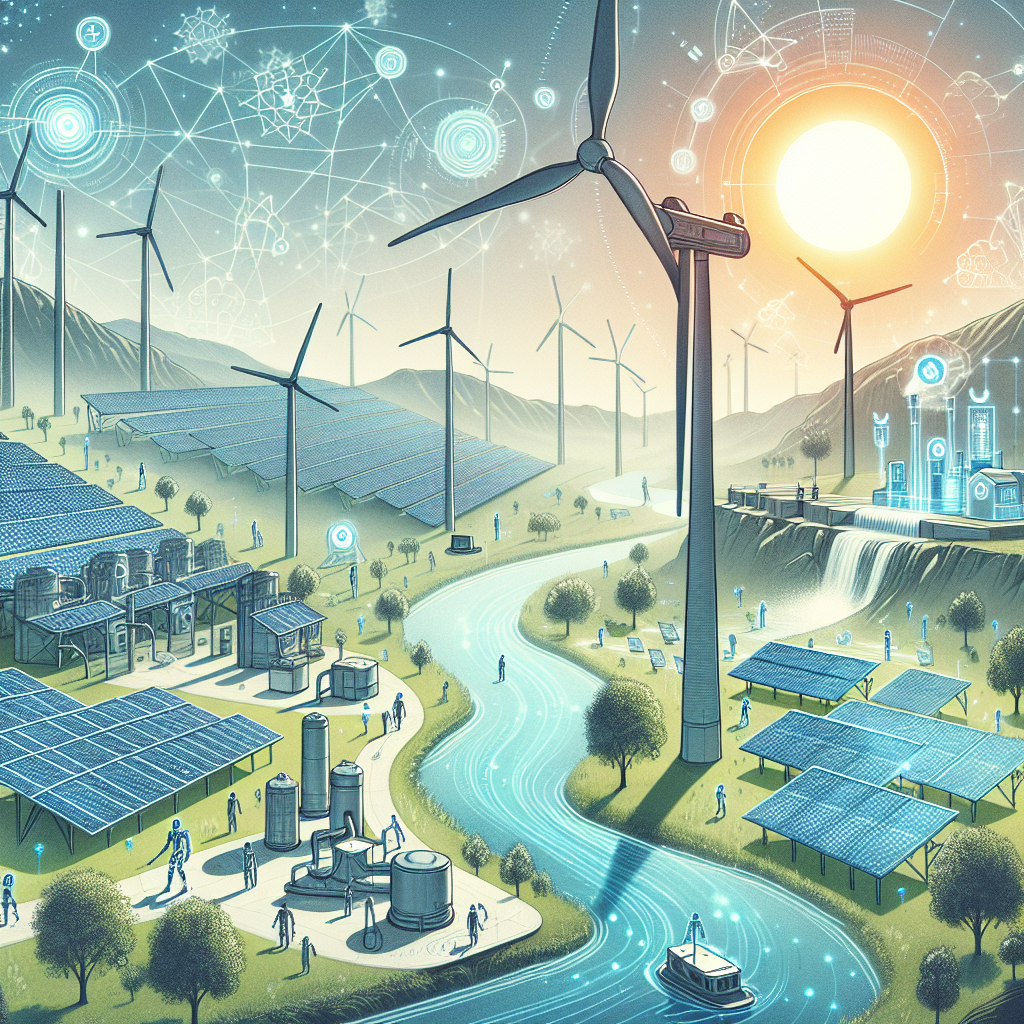
In recent years, the global community has been increasingly focused on promoting sustainable energy access and efficiency to combat climate change and ensure a more sustainable future for all. One of the key technologies driving progress in this area is artificial intelligence (AI). AI has the potential to revolutionize the way we generate, distribute, and consume energy, making it more efficient, affordable, and environmentally friendly.
AI technology has the ability to optimize energy systems and improve their performance in ways that were previously impossible. By analyzing vast amounts of data in real time, AI algorithms can identify patterns and trends that humans may have missed, leading to more effective decision-making and resource allocation. This can result in significant energy savings, reduced greenhouse gas emissions, and increased access to clean and affordable energy for all.
One of the key ways in which AI is promoting sustainable energy access and efficiency is through the optimization of energy generation and distribution systems. AI algorithms can analyze data from sensors, smart meters, and other sources to predict energy demand and supply, optimize the operation of power plants and grid infrastructure, and maximize the use of renewable energy sources. This can help reduce energy waste, lower costs, and increase the reliability and resilience of the energy system.
AI is also being used to improve the efficiency of buildings and appliances, which account for a significant portion of global energy consumption. Smart building systems equipped with AI technology can automatically adjust heating, cooling, lighting, and other energy-consuming devices based on occupancy, weather conditions, and other factors, leading to energy savings of up to 30% or more. Similarly, AI-powered appliances such as smart thermostats, refrigerators, and washing machines can optimize their energy usage to reduce waste and save money for consumers.
In addition to optimizing energy systems and appliances, AI is also playing a crucial role in the development of new energy technologies and business models. AI algorithms are being used to design more efficient solar panels, wind turbines, and energy storage systems, as well as to optimize the operation of electric vehicles and charging infrastructure. AI is also enabling the integration of renewable energy sources into the grid, enabling greater flexibility and stability in the energy system.
Furthermore, AI is facilitating the development of new energy services and platforms that are transforming the way energy is produced, consumed, and traded. For example, AI-powered energy management systems can help consumers track their energy usage in real time, identify opportunities for savings, and automatically adjust their energy consumption to reduce costs and carbon emissions. AI is also enabling the creation of virtual power plants, energy trading platforms, and peer-to-peer energy sharing networks that empower consumers to generate, store, and sell their own energy.
Overall, AI has the potential to revolutionize the energy sector and accelerate the transition to a more sustainable and resilient energy system. By harnessing the power of AI to optimize energy systems, improve energy efficiency, and promote the use of renewable energy sources, we can reduce our dependence on fossil fuels, mitigate the impacts of climate change, and ensure a more sustainable future for all.
FAQs:
Q: How is AI being used to optimize energy generation and distribution systems?
A: AI algorithms can analyze data from sensors, smart meters, and other sources to predict energy demand and supply, optimize the operation of power plants and grid infrastructure, and maximize the use of renewable energy sources.
Q: How can AI improve the efficiency of buildings and appliances?
A: Smart building systems equipped with AI technology can automatically adjust heating, cooling, lighting, and other energy-consuming devices based on occupancy, weather conditions, and other factors, leading to energy savings of up to 30% or more.
Q: What role does AI play in the development of new energy technologies and business models?
A: AI algorithms are being used to design more efficient solar panels, wind turbines, and energy storage systems, as well as to optimize the operation of electric vehicles and charging infrastructure. AI is also enabling the integration of renewable energy sources into the grid.
Q: How is AI facilitating the development of new energy services and platforms?
A: AI-powered energy management systems can help consumers track their energy usage in real time, identify opportunities for savings, and automatically adjust their energy consumption to reduce costs and carbon emissions. AI is also enabling the creation of virtual power plants, energy trading platforms, and peer-to-peer energy sharing networks.