
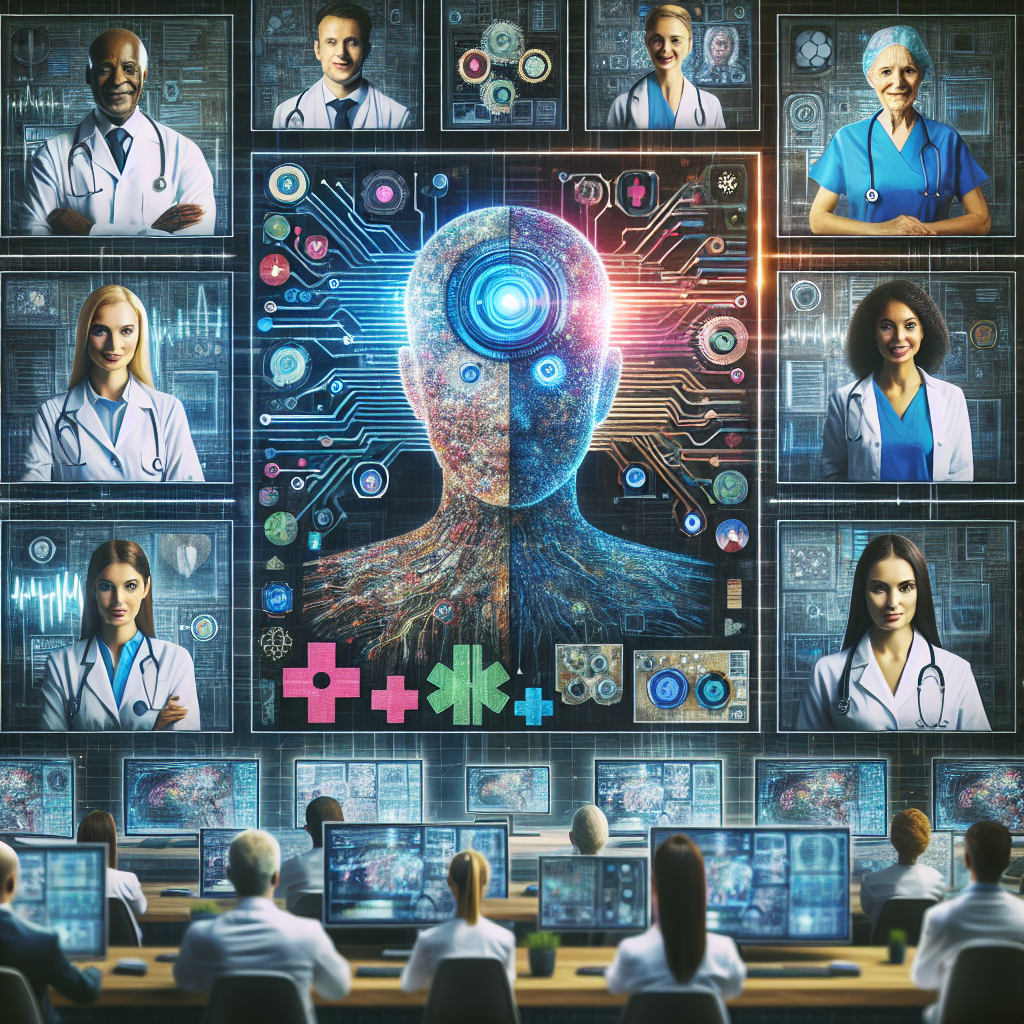
Public health surveillance is a critical component of monitoring and controlling infectious diseases, chronic diseases, and other health-related conditions in communities. Traditionally, public health surveillance has relied on manual data collection and analysis, which can be time-consuming and resource-intensive. However, with the advent of artificial intelligence (AI) technology, public health surveillance is undergoing a transformation. AI has the potential to revolutionize how public health officials monitor and respond to health threats, making surveillance faster, more accurate, and more efficient.
The Role of AI in Public Health Surveillance
AI technology is being used in a variety of ways to enhance public health surveillance efforts. One of the key benefits of AI is its ability to analyze large volumes of data quickly and accurately. This can be particularly useful in tracking the spread of infectious diseases, such as COVID-19. AI algorithms can analyze data from a variety of sources, including electronic health records, social media, and internet search trends, to identify patterns and trends that may indicate the presence of a disease outbreak.
AI can also help public health officials predict the spread of diseases and target interventions more effectively. By analyzing data on factors such as population density, mobility patterns, and healthcare infrastructure, AI algorithms can generate models that predict how a disease is likely to spread in a given population. This information can help public health officials allocate resources more efficiently and implement targeted interventions to prevent the spread of disease.
In addition to tracking infectious diseases, AI can also be used to monitor and control chronic diseases, such as diabetes and heart disease. AI algorithms can analyze data from wearable devices, such as fitness trackers and smartwatches, to monitor individuals’ health status in real-time. This data can be used to identify individuals who may be at risk for developing a chronic disease and provide them with personalized interventions to prevent or manage their condition.
AI can also help public health officials monitor environmental factors that may impact health, such as air quality and water contamination. By analyzing data from sensors and satellites, AI algorithms can provide real-time information on environmental hazards and help public health officials respond quickly to protect the health of the community.
FAQs about AI in Public Health Surveillance
Q: How does AI improve public health surveillance?
A: AI technology can analyze large volumes of data quickly and accurately, allowing public health officials to track the spread of diseases, predict outbreaks, and target interventions more effectively. AI can also monitor chronic diseases and environmental factors that impact health.
Q: What are some examples of AI applications in public health surveillance?
A: Some examples of AI applications in public health surveillance include analyzing electronic health records to identify disease outbreaks, using wearable devices to monitor individuals’ health status, and monitoring environmental hazards with sensors and satellites.
Q: How can AI help prevent the spread of infectious diseases?
A: AI can help prevent the spread of infectious diseases by tracking the spread of outbreaks, predicting how diseases are likely to spread, and targeting interventions to prevent transmission. AI can also help public health officials allocate resources more efficiently to control the spread of disease.
Q: What are the benefits of using AI in public health surveillance?
A: The benefits of using AI in public health surveillance include faster and more accurate data analysis, improved prediction of disease outbreaks, and more targeted interventions to prevent the spread of disease. AI can also help public health officials monitor chronic diseases and environmental factors that impact health.
Q: What are some challenges of using AI in public health surveillance?
A: Some challenges of using AI in public health surveillance include ensuring the privacy and security of data, addressing bias in AI algorithms, and integrating AI technology into existing public health systems. Public health officials must also have the necessary training and resources to effectively use AI technology for surveillance purposes.
In conclusion, AI technology has the potential to revolutionize public health surveillance by improving the speed, accuracy, and efficiency of monitoring and controlling health threats. By harnessing the power of AI algorithms to analyze data from a variety of sources, public health officials can better track the spread of infectious diseases, predict outbreaks, and target interventions to prevent the spread of disease. With continued investment in AI technology and training for public health officials, AI has the potential to transform how we monitor and protect public health in the future.