
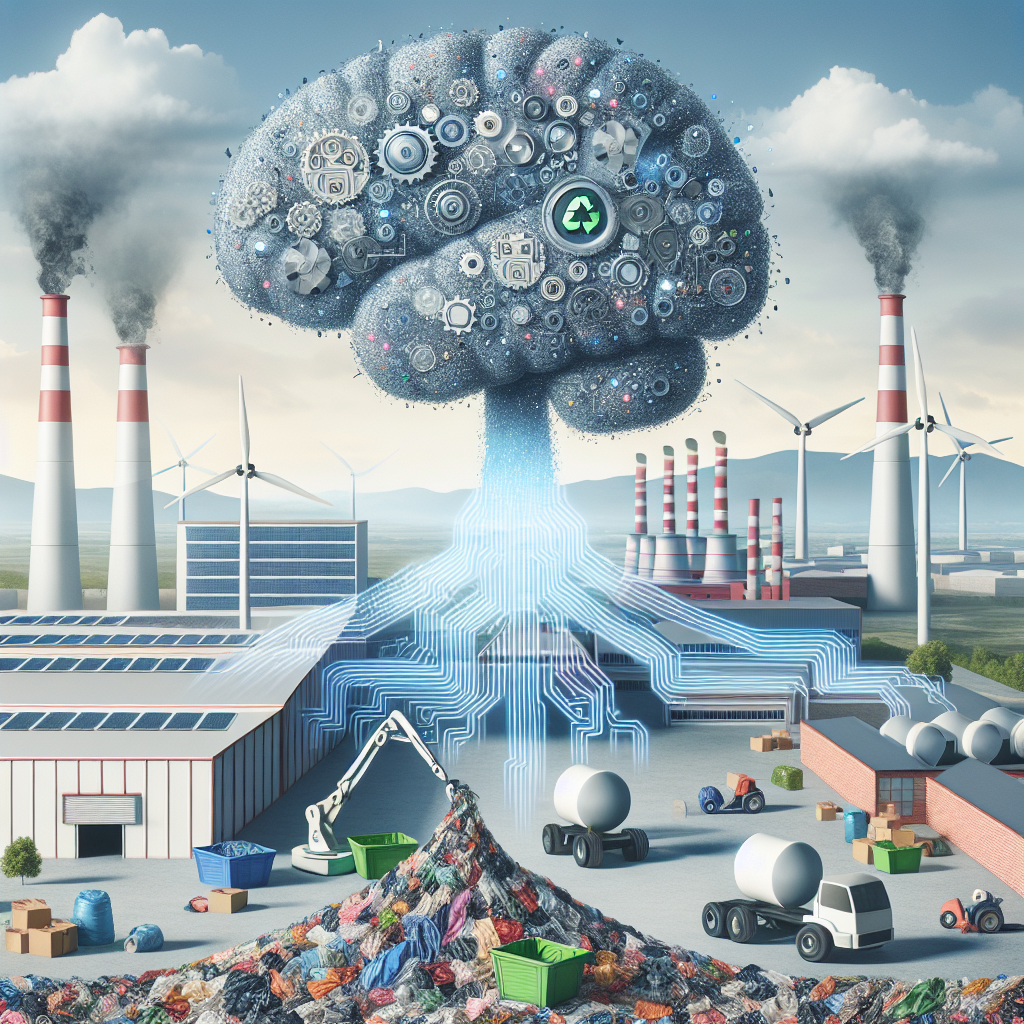
The fashion industry has long been criticized for its environmental impact, with issues such as waste and pollution being major concerns. In recent years, there has been a growing awareness of the need for sustainability in fashion, and the role of artificial intelligence (AI) in reducing waste and pollution is becoming increasingly important.
AI has the potential to revolutionize the fashion industry by improving efficiency and reducing waste at every stage of the supply chain. From design to production to retail, AI can help streamline processes, optimize resources, and minimize environmental impact. In this article, we will explore the role of AI in reducing fashion waste and pollution, and how it can help create a more sustainable future for the industry.
Design and Production
One of the key areas where AI can make a significant impact is in the design and production of fashion products. By using AI-powered design tools, designers can create more sustainable and efficient products that minimize waste and reduce the use of resources. AI can analyze data on consumer preferences, trends, and market demands to help designers create products that are more likely to sell, reducing the risk of overproduction and waste.
AI can also be used to optimize production processes, making them more efficient and reducing the amount of waste generated. By analyzing data on production processes, AI can identify areas where improvements can be made to minimize waste and reduce pollution. For example, AI can help manufacturers optimize the use of materials, energy, and water, leading to a more sustainable production process.
Retail and Inventory Management
AI can also play a key role in retail and inventory management, helping to reduce waste and pollution in the fashion industry. By using AI-powered analytics tools, retailers can better predict consumer demand and optimize their inventory levels, reducing the risk of overstocking and excess inventory that often leads to waste.
AI can also help retailers improve their supply chain management, ensuring that products are delivered in a timely and efficient manner, reducing the need for expedited shipping and the associated environmental impact. By optimizing transportation routes and delivery schedules, AI can help reduce the carbon footprint of the fashion industry.
Sustainable Materials and Recycling
Another area where AI can make a significant impact is in the development of sustainable materials and recycling processes. By using AI to analyze data on materials and their environmental impact, researchers and designers can identify more sustainable alternatives to traditional materials, reducing the use of resources and minimizing pollution.
AI can also help improve recycling processes by identifying ways to make them more efficient and cost-effective. By analyzing data on recycling processes, AI can help identify opportunities to improve the recycling of textiles and other materials, reducing the amount of waste that ends up in landfills.
FAQs
Q: How can AI help reduce waste in the fashion industry?
A: AI can help reduce waste in the fashion industry by optimizing production processes, improving inventory management, and developing sustainable materials and recycling processes. By using AI-powered tools and analytics, fashion companies can streamline their operations, minimize waste, and reduce their environmental impact.
Q: What are some examples of AI-powered tools used in the fashion industry?
A: Some examples of AI-powered tools used in the fashion industry include design software that uses AI algorithms to create more sustainable products, inventory management systems that use AI to predict consumer demand, and recycling processes that are optimized using AI analytics.
Q: How can consumers support sustainability in the fashion industry?
A: Consumers can support sustainability in the fashion industry by choosing to buy from brands that prioritize sustainability and ethical practices, by shopping for second-hand or vintage clothing, and by recycling and donating their old clothes instead of throwing them away.
In conclusion, the role of AI in reducing fashion waste and pollution is becoming increasingly important as the industry faces growing pressure to become more sustainable. By using AI-powered tools and analytics, fashion companies can optimize their processes, reduce waste, and minimize their environmental impact. With the help of AI, the fashion industry has the potential to create a more sustainable future for itself and the planet.