
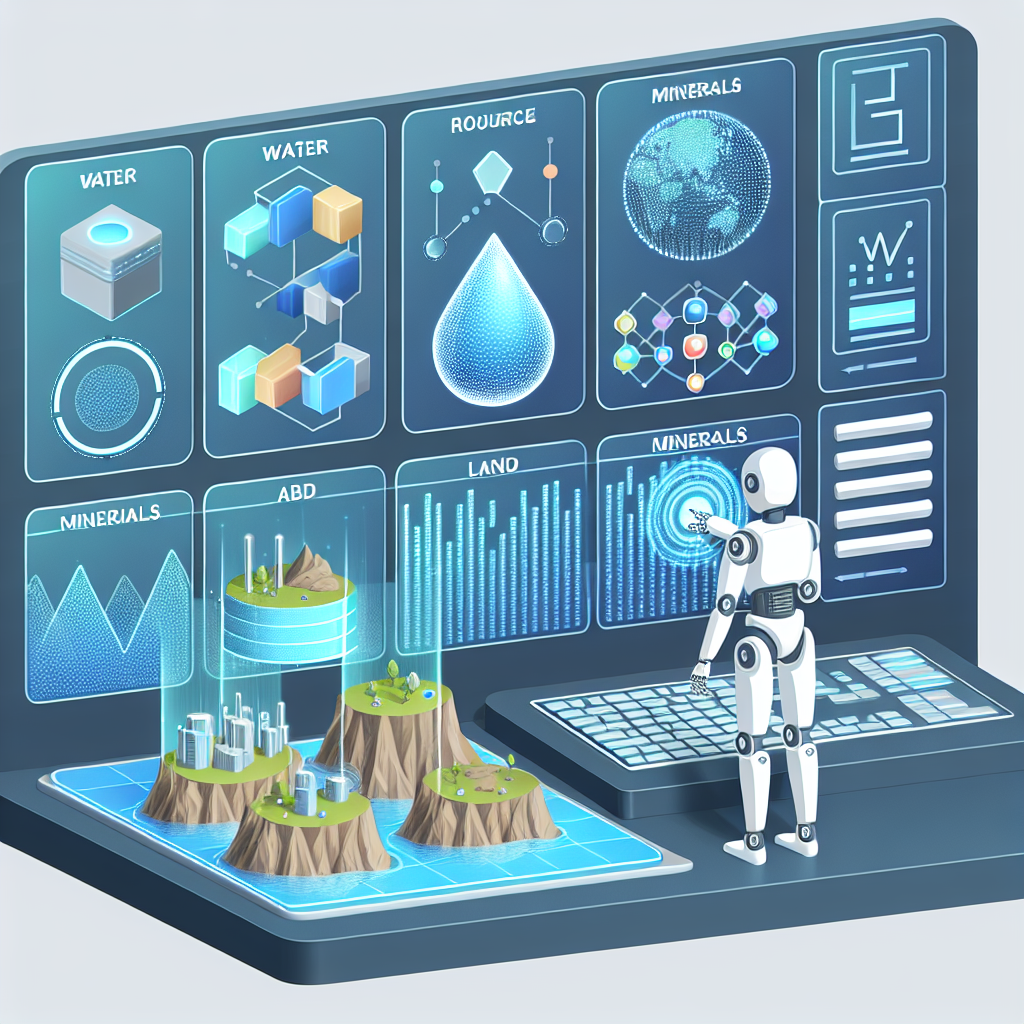
Artificial Intelligence (AI) has been revolutionizing various industries, and resource management is no exception. AI technology has the potential to significantly improve the efficiency and effectiveness of resource management processes, leading to better decision-making and ultimately, better outcomes. In this article, we will explore the role of AI in resource management, its benefits, challenges, and future prospects.
What is Resource Management?
Resource management is the process of planning, organizing, and allocating resources to achieve specific goals and objectives. Resources can include human resources, financial resources, equipment, materials, and time. Effective resource management is essential for businesses and organizations to operate efficiently, reduce costs, and maximize productivity.
The Role of AI in Resource Management
AI technology is becoming increasingly important in resource management due to its ability to analyze vast amounts of data, identify patterns, and make predictions. AI can assist in various aspects of resource management, including:
1. Forecasting and Planning: AI algorithms can analyze historical data and current trends to predict future resource requirements. This can help businesses and organizations plan ahead and allocate resources more effectively.
2. Optimization: AI can optimize resource allocation by identifying the most efficient use of resources to achieve specific objectives. For example, AI can help schedule tasks, assign workloads, and optimize production processes to minimize waste and maximize productivity.
3. Decision-Making: AI can support decision-making processes by providing data-driven insights and recommendations. AI algorithms can analyze complex data sets and provide insights that humans may overlook, helping managers make more informed decisions.
4. Risk Management: AI can help identify potential risks and uncertainties in resource management processes. By analyzing data and identifying patterns, AI can help managers anticipate and mitigate risks before they become major issues.
Benefits of AI in Resource Management
There are several benefits of using AI technology in resource management, including:
1. Increased Efficiency: AI can automate repetitive tasks and processes, saving time and reducing errors. This can help businesses and organizations streamline their resource management processes and improve overall efficiency.
2. Cost Savings: By optimizing resource allocation and reducing waste, AI can help businesses save costs and improve their bottom line. AI can help businesses identify cost-saving opportunities and make data-driven decisions to improve financial performance.
3. Improved Decision-Making: AI technology can provide managers with valuable insights and recommendations to support decision-making processes. By analyzing data and identifying patterns, AI can help managers make more informed decisions that lead to better outcomes.
4. Enhanced Productivity: AI can help businesses and organizations improve productivity by optimizing resource allocation and streamlining processes. By automating tasks and providing insights, AI can help employees focus on high-value activities and achieve better results.
Challenges of AI in Resource Management
While AI technology offers numerous benefits for resource management, there are also challenges that businesses and organizations may face when implementing AI solutions, including:
1. Data Quality: AI algorithms rely on high-quality data to make accurate predictions and recommendations. Poor data quality can lead to inaccurate results and undermine the effectiveness of AI in resource management.
2. Integration: Integrating AI technology with existing systems and processes can be challenging. Businesses may need to invest in new infrastructure and training to successfully implement AI solutions for resource management.
3. Security and Privacy: AI technology raises concerns about data security and privacy. Businesses must ensure that sensitive data is protected and comply with data protection regulations when using AI for resource management.
4. Skills Gap: Implementing AI technology requires specialized skills and expertise. Businesses may need to invest in training and development to ensure their employees are equipped to use AI effectively in resource management.
Future Prospects of AI in Resource Management
Despite the challenges, the future prospects of AI in resource management are promising. As AI technology continues to evolve and improve, businesses and organizations can expect even greater benefits from using AI in resource management. Some future prospects of AI in resource management include:
1. Predictive Analytics: AI algorithms can become more sophisticated in predicting future trends and patterns in resource management. By analyzing big data sets and using advanced algorithms, AI can help businesses anticipate resource requirements and make proactive decisions.
2. Autonomous Resource Management: AI technology has the potential to automate resource management processes entirely. Businesses can use AI-powered systems to autonomously allocate resources, optimize workflows, and make decisions without human intervention.
3. Personalized Recommendations: AI can provide personalized recommendations and insights to individual managers based on their preferences and objectives. By analyzing individual data and behavior, AI can help managers make decisions that align with their goals and priorities.
4. Collaboration and Communication: AI technology can improve collaboration and communication among team members in resource management processes. AI-powered systems can facilitate information sharing, task assignment, and feedback exchange to enhance teamwork and productivity.
FAQs
1. What are some common AI applications in resource management?
Some common AI applications in resource management include forecasting and planning, optimization, decision-making support, risk management, and task automation.
2. How can AI help businesses save costs in resource management?
AI can help businesses save costs in resource management by optimizing resource allocation, reducing waste, and identifying cost-saving opportunities through data-driven insights.
3. What are the challenges of implementing AI in resource management?
Some challenges of implementing AI in resource management include data quality issues, integration with existing systems, security and privacy concerns, and the skills gap.
4. What are the future prospects of AI in resource management?
The future prospects of AI in resource management include predictive analytics, autonomous resource management, personalized recommendations, and improved collaboration and communication among team members.
In conclusion, AI technology has the potential to revolutionize resource management processes and help businesses and organizations operate more efficiently and effectively. By leveraging AI algorithms and data-driven insights, businesses can optimize resource allocation, improve decision-making, and achieve better outcomes. While there are challenges to implementing AI in resource management, the benefits far outweigh the risks. As AI technology continues to evolve and improve, businesses can expect even greater benefits from using AI in resource management in the future.