
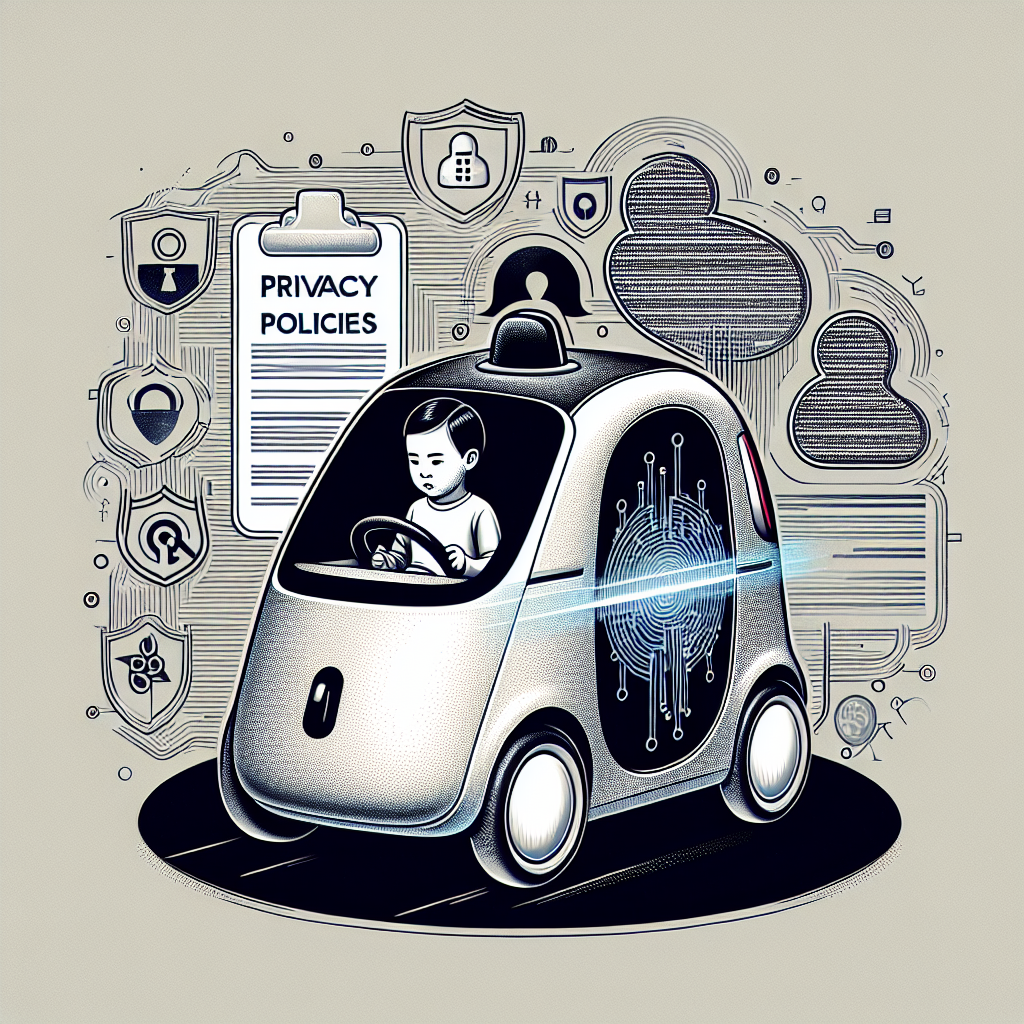
The transportation industry is rapidly evolving with the integration of artificial intelligence (AI) into various aspects of its operations. From autonomous vehicles to smart traffic management systems, AI is playing a crucial role in improving efficiency, safety, and overall user experience in transportation. However, with the increasing use of AI in the transportation industry, there are growing concerns about privacy, particularly when it comes to children.
Children are among the most vulnerable populations when it comes to privacy issues, as they may not fully understand the implications of sharing their personal information online or through smart devices. In the transportation industry, children may be using AI-powered services such as ride-sharing apps, smart school buses, or even autonomous vehicles. As a result, it is essential for companies in the transportation industry to take steps to ensure that the privacy rights of children are protected.
One way that AI can help shape privacy policies for children in the transportation industry is through the use of data encryption and anonymization techniques. By encrypting sensitive personal information and anonymizing data before it is stored or transmitted, companies can reduce the risk of unauthorized access or misuse of children’s data. AI algorithms can also be used to detect and prevent potential security breaches, further enhancing the protection of children’s privacy.
Another way that AI can help shape privacy policies for children in the transportation industry is through the use of parental controls and consent mechanisms. Companies can implement AI-powered tools that allow parents to set restrictions on the types of information that can be collected about their children, as well as who has access to that information. AI can also help companies ensure that children’s data is only used for legitimate purposes and is not shared with third parties without parental consent.
Furthermore, AI can be used to monitor and enforce compliance with privacy regulations such as the Children’s Online Privacy Protection Act (COPPA) and the General Data Protection Regulation (GDPR). By analyzing data patterns and detecting potential violations of privacy laws, AI can help companies identify and address any issues before they escalate into legal or reputational problems. AI can also help companies stay up to date with evolving privacy regulations and adapt their policies accordingly.
In addition to shaping privacy policies, AI can also be used to enhance the overall safety and security of children in the transportation industry. For example, AI-powered surveillance systems can monitor school buses or other transportation vehicles to ensure that children are safe and secure during their journeys. AI algorithms can also be used to analyze traffic patterns and detect potential hazards or risks, allowing companies to take proactive measures to protect children from harm.
Overall, AI has the potential to play a significant role in shaping privacy policies for children in the transportation industry. By leveraging the power of AI to enhance data security, enforce privacy regulations, and improve overall safety, companies can create a more secure and trustworthy environment for children to travel in. However, it is crucial for companies to be transparent about their data practices and to involve parents and children in the development of privacy policies to ensure that their rights are respected.
FAQs:
Q: How can AI help protect children’s privacy in the transportation industry?
A: AI can help protect children’s privacy in the transportation industry by encrypting and anonymizing sensitive data, implementing parental controls and consent mechanisms, monitoring compliance with privacy regulations, and enhancing overall safety and security.
Q: What are some examples of AI-powered services that children may use in the transportation industry?
A: Examples of AI-powered services that children may use in the transportation industry include ride-sharing apps, smart school buses, and autonomous vehicles.
Q: How can companies ensure that children’s data is only used for legitimate purposes?
A: Companies can ensure that children’s data is only used for legitimate purposes by implementing strict data privacy policies, obtaining parental consent for data collection, and using AI-powered tools to monitor and enforce compliance with privacy regulations.
Q: What steps can parents take to protect their children’s privacy in the transportation industry?
A: Parents can protect their children’s privacy in the transportation industry by setting restrictions on the types of information that can be collected about their children, monitoring their children’s online activities, and educating them about the importance of privacy and data security.