
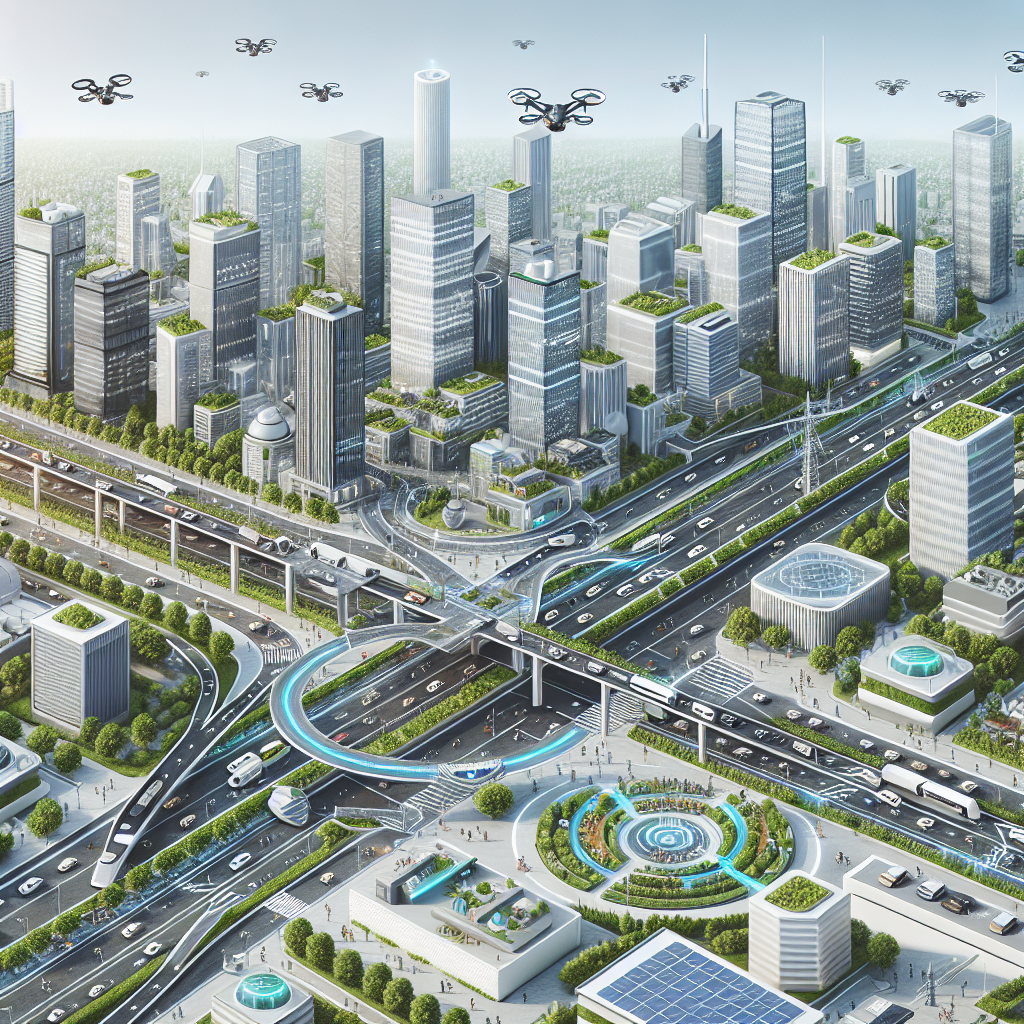
The Role of AI Integration in Smart Cities
In recent years, the concept of smart cities has gained significant traction as urban areas around the world seek to leverage technology to improve the quality of life for their residents. One of the key technologies driving the development of smart cities is artificial intelligence (AI). AI has the potential to transform how cities are managed, making them more efficient, sustainable, and responsive to the needs of their inhabitants. In this article, we will explore the role of AI integration in smart cities and the benefits it can bring.
What is a Smart City?
A smart city is an urban area that uses technology to improve the quality of life for its residents. This can include the use of sensors, data analytics, and AI to better manage resources, infrastructure, and services. The goal of a smart city is to create a more sustainable, efficient, and livable environment for its residents.
What is Artificial Intelligence?
Artificial intelligence is a branch of computer science that aims to create machines that can perform tasks that typically require human intelligence, such as learning, problem-solving, and decision-making. AI technologies include machine learning, natural language processing, and computer vision.
How is AI Integrated into Smart Cities?
AI can be integrated into smart cities in a variety of ways, including:
1. Traffic Management: AI can optimize traffic flow by analyzing real-time data from sensors and cameras to identify congestion and adjust traffic signals accordingly. This can help reduce traffic congestion, improve air quality, and make transportation more efficient.
2. Energy Management: AI can help cities optimize their energy usage by analyzing data from smart meters and sensors to identify patterns and trends. This can help reduce energy consumption, lower costs, and promote sustainability.
3. Waste Management: AI can improve waste collection and recycling processes by analyzing data on waste generation, collection routes, and recycling rates. This can help cities optimize their waste management practices and reduce landfill waste.
4. Public Safety: AI can enhance public safety by analyzing data from surveillance cameras, social media, and other sources to detect and respond to criminal activity, accidents, and emergencies. This can help cities improve their response times and keep residents safe.
5. Healthcare: AI can improve healthcare services in smart cities by analyzing patient data to identify trends, predict outbreaks, and personalize treatment plans. This can help cities provide better healthcare services to their residents and improve overall public health.
What are the Benefits of AI Integration in Smart Cities?
There are several benefits to integrating AI into smart cities, including:
1. Efficiency: AI can help cities optimize their resources, infrastructure, and services, making them more efficient and cost-effective.
2. Sustainability: AI can help cities reduce their environmental footprint by optimizing energy usage, waste management, and transportation systems.
3. Safety: AI can enhance public safety by analyzing data in real-time to detect and respond to emergencies quickly and effectively.
4. Quality of Life: AI can improve the quality of life for residents by providing better healthcare services, reducing traffic congestion, and enhancing public services.
5. Economic Growth: AI can stimulate economic growth by creating new job opportunities, attracting investment, and fostering innovation in smart city technologies.
FAQs
Q: How can AI help cities reduce traffic congestion?
A: AI can optimize traffic flow by analyzing real-time data from sensors and cameras to identify congestion and adjust traffic signals accordingly. This can help reduce traffic congestion and improve transportation efficiency.
Q: How can AI improve energy management in smart cities?
A: AI can help cities optimize their energy usage by analyzing data from smart meters and sensors to identify patterns and trends. This can help reduce energy consumption, lower costs, and promote sustainability.
Q: How can AI enhance public safety in smart cities?
A: AI can improve public safety by analyzing data from surveillance cameras, social media, and other sources to detect and respond to criminal activity, accidents, and emergencies. This can help cities improve their response times and keep residents safe.
Q: What are the challenges of integrating AI into smart cities?
A: Some of the challenges of integrating AI into smart cities include data privacy concerns, cybersecurity risks, and the need for skilled professionals to develop and maintain AI systems. Additionally, there may be resistance from residents who are concerned about the impact of AI on their lives.
In conclusion, AI integration plays a crucial role in the development of smart cities, offering numerous benefits in terms of efficiency, sustainability, safety, quality of life, and economic growth. As cities continue to embrace technology to address urban challenges, AI will be a key driver in creating more livable and sustainable urban environments for residents.