
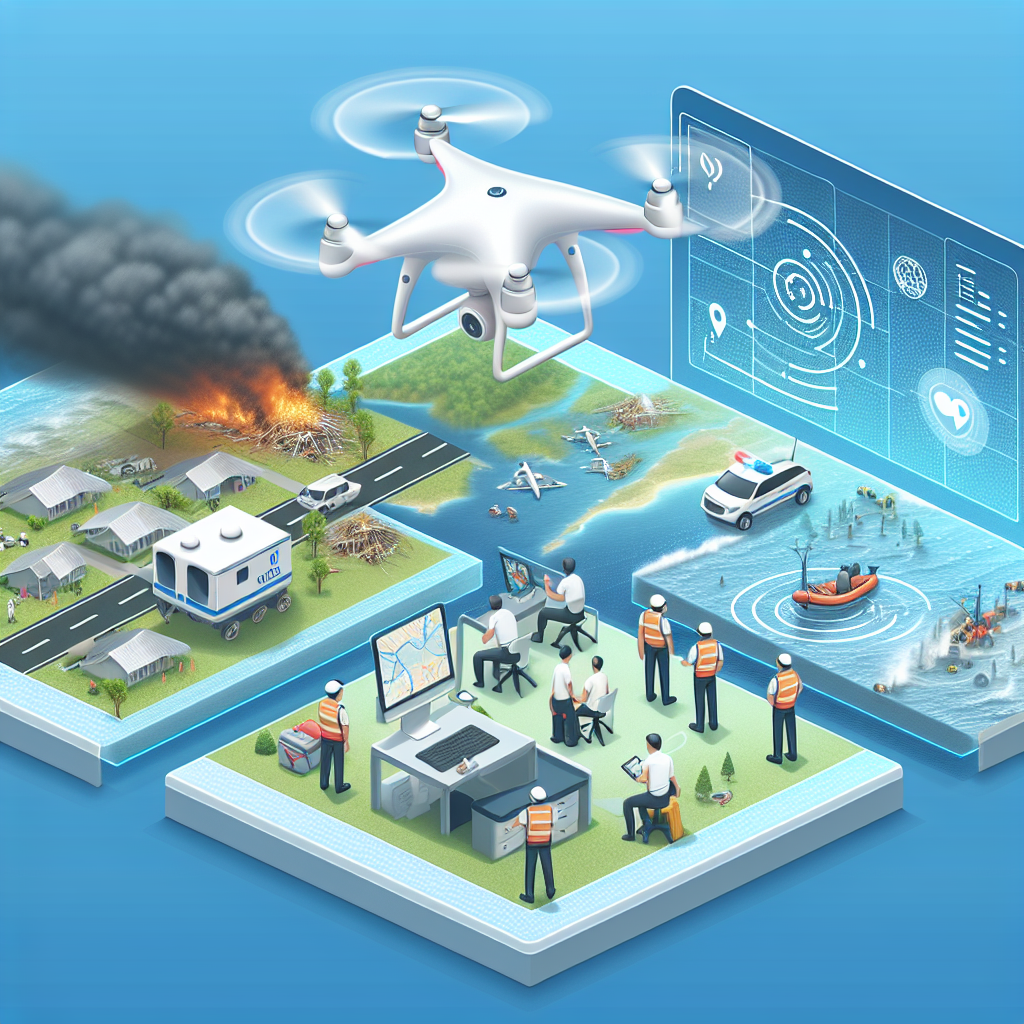
In recent years, natural disasters have become more frequent and devastating, posing a significant challenge for disaster relief organizations and first responders. The use of artificial intelligence (AI) platforms in disaster relief efforts has emerged as a promising solution to help mitigate the impact of disasters and improve response efforts. These AI platforms leverage advanced technologies such as machine learning, computer vision, and natural language processing to analyze large amounts of data, identify patterns, and make predictions that can guide decision-making in real-time.
The Role of AI Platforms in Disaster Relief Efforts
1. Early Warning Systems: AI platforms can analyze various data sources, including satellite imagery, weather forecasts, and social media posts, to detect early signs of a disaster and issue timely warnings to residents in affected areas. By providing advance notice, these systems can help people evacuate to safety and reduce the risk of casualties.
2. Damage Assessment: After a disaster strikes, AI platforms can be used to assess the extent of damage to infrastructure, buildings, and roads. By analyzing aerial imagery and sensor data, AI algorithms can quickly identify areas that need immediate attention and prioritize response efforts accordingly.
3. Resource Allocation: AI platforms can optimize the allocation of resources, such as food, water, medical supplies, and personnel, by analyzing real-time data on the ground conditions, population density, and infrastructure damage. This ensures that resources are directed to where they are most needed and can reach affected communities in a timely manner.
4. Search and Rescue Operations: AI platforms equipped with computer vision and drone technology can assist in search and rescue operations by analyzing images and video footage to locate survivors in rubble and debris. These platforms can also help first responders navigate through hazardous terrain and identify safe routes for evacuation.
5. Predictive Analytics: AI platforms can use historical data and machine learning algorithms to predict the likelihood of future disasters, such as earthquakes, hurricanes, and wildfires. By understanding the patterns and trends of past events, disaster relief organizations can better prepare for and respond to future emergencies.
6. Communication and Coordination: AI platforms can facilitate communication and coordination among different agencies, organizations, and volunteers involved in disaster relief efforts. By analyzing data from multiple sources, these platforms can provide real-time updates on the status of response activities, share critical information, and streamline decision-making processes.
FAQs
Q: How do AI platforms gather data during a disaster?
A: AI platforms gather data from various sources, including satellite imagery, social media posts, sensor networks, and emergency calls. These platforms use advanced algorithms to analyze the data in real-time and extract valuable insights that can inform decision-making.
Q: Can AI platforms replace human responders in disaster relief efforts?
A: AI platforms are not meant to replace human responders but to enhance their capabilities and efficiency. While AI can automate certain tasks and provide valuable insights, human judgment, empathy, and decision-making skills are still essential in complex and unpredictable situations.
Q: How secure is the data collected and analyzed by AI platforms in disaster relief efforts?
A: Data security and privacy are critical considerations in the use of AI platforms for disaster relief efforts. Organizations must implement robust security measures to protect sensitive information and ensure compliance with data protection regulations.
Q: What are the limitations of AI platforms in disaster relief efforts?
A: AI platforms have limitations, such as the reliance on accurate and up-to-date data, the potential for bias in algorithms, and the need for human oversight and intervention. Additionally, AI platforms may struggle to adapt to rapidly changing and dynamic situations during a disaster.
In conclusion, AI platforms play a crucial role in disaster relief efforts by providing valuable insights, optimizing resource allocation, and enhancing coordination among responders. While AI technology cannot replace human judgment and empathy, it can significantly improve the efficiency and effectiveness of response efforts in mitigating the impact of disasters and saving lives. By leveraging the power of AI, disaster relief organizations can better prepare for, respond to, and recover from natural disasters in a more timely and coordinated manner.