
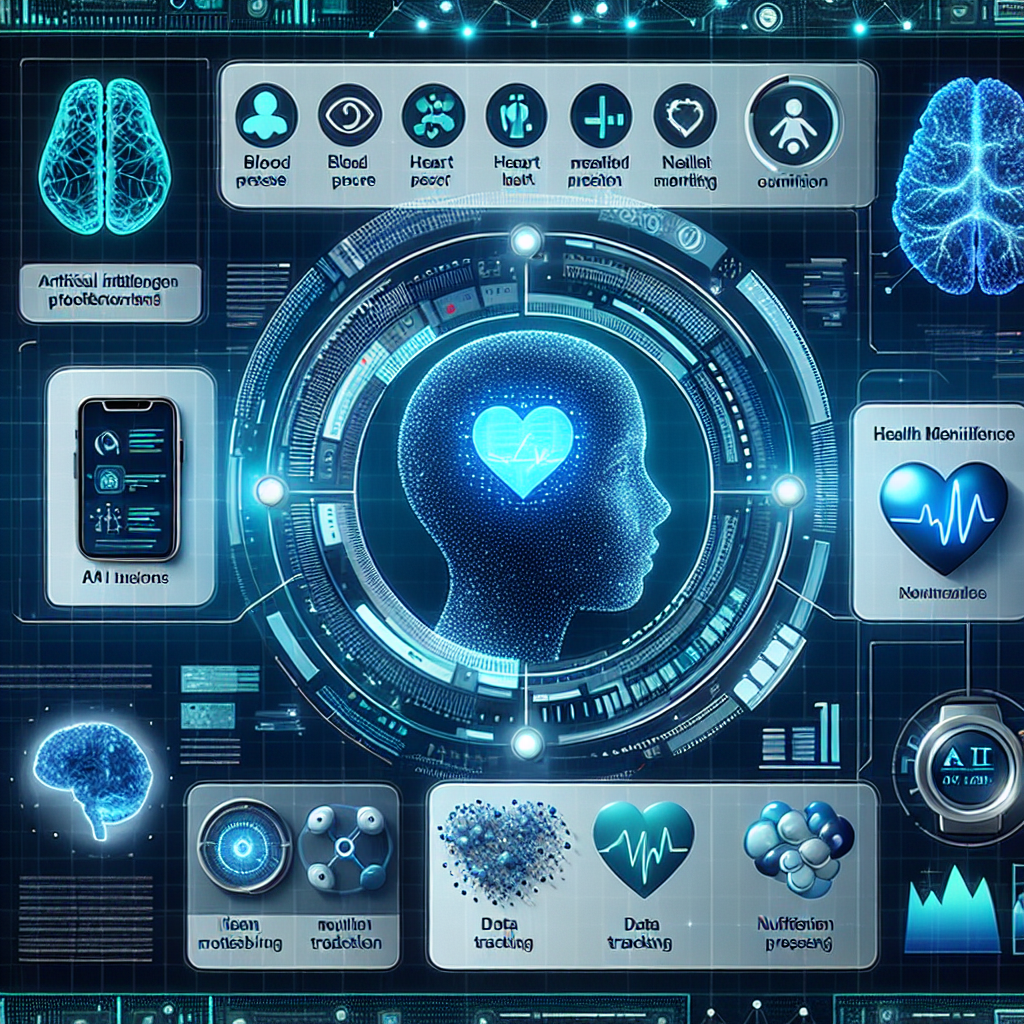
The Role of AI Platforms in Health Monitoring
In recent years, the use of artificial intelligence (AI) platforms in health monitoring has grown significantly. These platforms utilize advanced algorithms and machine learning techniques to analyze data from various sources such as wearable devices, electronic health records, and medical imaging. By leveraging AI, healthcare providers can monitor patients in real-time, detect early signs of diseases, and personalize treatment plans based on individual health data. In this article, we will explore the role of AI platforms in health monitoring and how they are revolutionizing the way healthcare is delivered.
Benefits of AI Platforms in Health Monitoring
There are several benefits of using AI platforms in health monitoring. Some of the key advantages include:
1. Early Detection of Diseases: AI platforms can analyze large volumes of data to identify patterns and trends that may indicate the early stages of a disease. By detecting diseases early, healthcare providers can intervene sooner and improve patient outcomes.
2. Personalized Treatment Plans: AI platforms can analyze a patient’s health data to create personalized treatment plans tailored to their unique needs. This personalized approach can lead to more effective treatments and better patient outcomes.
3. Remote Monitoring: AI platforms enable remote monitoring of patients, allowing healthcare providers to track their health status in real-time. This can be especially useful for patients with chronic conditions or those who live in remote areas.
4. Predictive Analytics: AI platforms can use predictive analytics to forecast future health outcomes based on historical data. This can help healthcare providers anticipate potential health issues and take proactive measures to prevent them.
5. Improved Efficiency: AI platforms can automate routine tasks such as data analysis and reporting, freeing up healthcare providers to focus on patient care. This can lead to increased efficiency and reduced administrative burdens.
Examples of AI Platforms in Health Monitoring
There are several AI platforms currently being used in health monitoring. Some of the notable examples include:
1. Google Health: Google Health is a platform that uses AI to analyze health data from various sources, including electronic health records and wearable devices. It can provide personalized health insights and recommendations to users based on their individual health data.
2. IBM Watson Health: IBM Watson Health is a platform that leverages AI to analyze medical imaging and other health data to help healthcare providers make more informed decisions. It can assist in diagnosing diseases, predicting treatment outcomes, and identifying potential health risks.
3. Biofourmis: Biofourmis is a platform that uses AI to monitor patients with chronic conditions such as heart failure and diabetes. It can track patients’ vital signs, symptoms, and medication adherence to provide personalized care plans and alerts for early intervention.
4. Current Health: Current Health is a platform that combines wearable devices with AI algorithms to monitor patients in real-time. It can detect changes in a patient’s health status and alert healthcare providers to potential issues before they escalate.
5. Ada Health: Ada Health is an AI-powered platform that uses a symptom checker to help users assess their health symptoms and receive personalized recommendations for care. It can assist users in determining whether they need to seek medical attention and provide guidance on next steps.
FAQs
Q: How does AI platforms in health monitoring protect patient privacy and data security?
A: AI platforms in health monitoring adhere to strict data privacy and security protocols to protect patient information. They use encryption, authentication, and access controls to ensure that data is secure and only accessible to authorized users. Additionally, they comply with regulations such as HIPAA to safeguard patient privacy.
Q: Can AI platforms in health monitoring replace human healthcare providers?
A: AI platforms in health monitoring are designed to augment, not replace, human healthcare providers. While AI can assist in data analysis and decision-making, it cannot replace the empathy and clinical judgment that human providers bring to patient care. Healthcare providers play a crucial role in interpreting AI-generated insights and delivering personalized care to patients.
Q: How accurate are AI platforms in health monitoring?
A: The accuracy of AI platforms in health monitoring depends on the quality of the data they receive and the algorithms they use. In general, AI platforms have shown promising results in detecting diseases, predicting health outcomes, and providing personalized recommendations. However, they are not infallible and should be used as a tool to support clinical decision-making rather than as a standalone diagnostic tool.
Q: Are AI platforms in health monitoring affordable for all patients?
A: The cost of AI platforms in health monitoring can vary depending on the specific platform and the services offered. Some platforms may be more affordable for patients, especially if they are covered by insurance or offered as part of a healthcare provider’s services. However, affordability can be a barrier for some patients, and efforts are being made to make AI platforms more accessible to all individuals.
In conclusion, AI platforms in health monitoring are revolutionizing the way healthcare is delivered by providing early detection of diseases, personalized treatment plans, remote monitoring, predictive analytics, and improved efficiency. These platforms have the potential to improve patient outcomes, reduce healthcare costs, and enhance the overall quality of care. As the field of AI in healthcare continues to evolve, it is essential to ensure that patient privacy and data security are prioritized, and that AI is used as a tool to augment, rather than replace, human healthcare providers. By leveraging the power of AI, we can create a more proactive, personalized, and efficient healthcare system that benefits patients, providers, and society as a whole.