
The Role of AI Platforms in Humanitarian Aid
In recent years, artificial intelligence (AI) has emerged as a powerful tool in the field of humanitarian aid. AI platforms are being used to improve the efficiency, effectiveness, and impact of humanitarian efforts around the world. From disaster response and recovery to poverty alleviation and healthcare delivery, AI is revolutionizing the way humanitarian organizations operate.
One of the key benefits of AI platforms is their ability to process and analyze vast amounts of data in real-time. This allows humanitarian organizations to quickly assess needs, identify trends, and make informed decisions about where to allocate resources. For example, AI can analyze satellite imagery to assess the extent of damage after a natural disaster, or track disease outbreaks by analyzing social media posts. This information can then be used to plan and coordinate emergency response efforts more effectively.
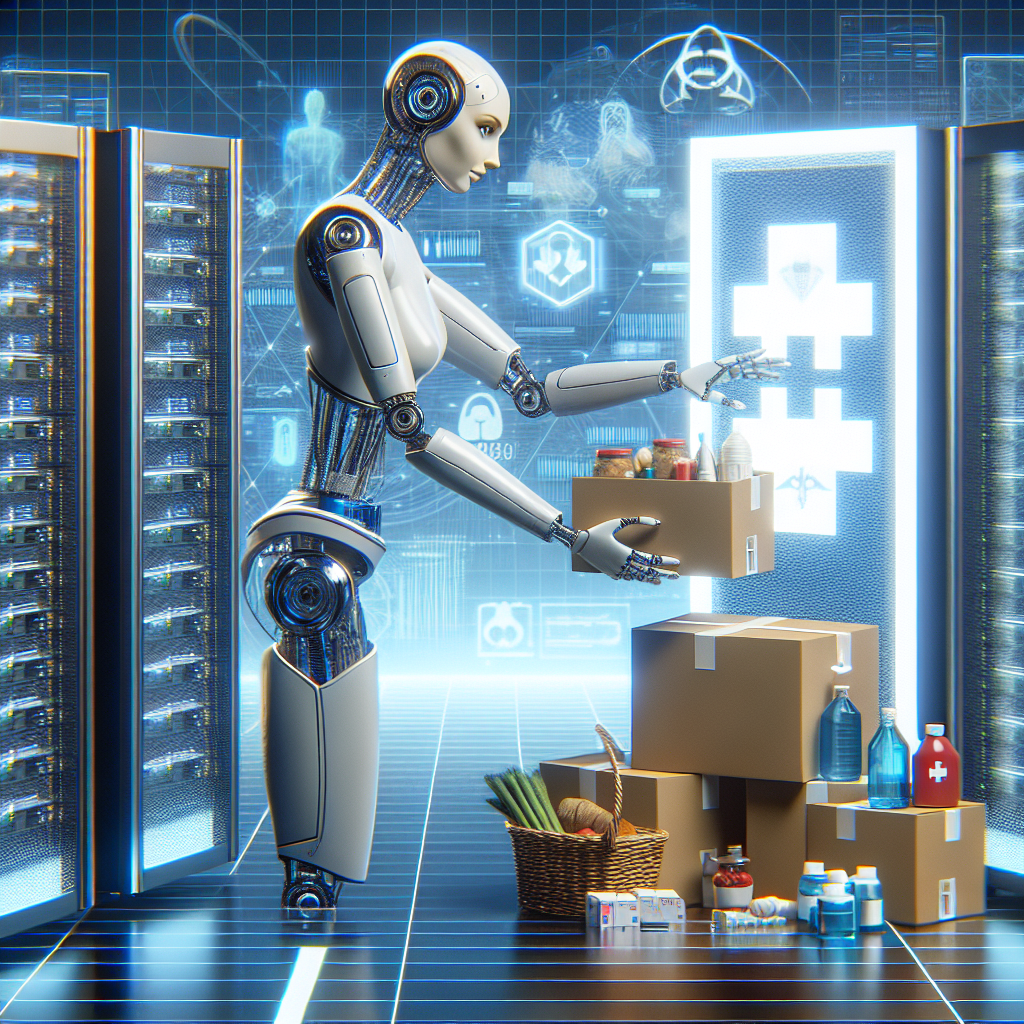
AI platforms are also being used to improve the delivery of aid to those in need. For example, AI-powered chatbots can provide refugees with information on available services and resources, or help connect them with local support organizations. AI algorithms can also optimize the distribution of food, medicine, and other supplies, ensuring that aid reaches those who need it most in a timely manner.
In addition, AI platforms are helping humanitarian organizations to better understand the needs and preferences of the communities they serve. By analyzing data on demographics, behavior, and social media activity, organizations can tailor their programs and services to better meet the needs of the people they are trying to help. This can lead to more effective and sustainable interventions that have a lasting impact on the communities they serve.
AI platforms are also being used to monitor and evaluate the impact of humanitarian programs. By tracking key indicators and outcomes, organizations can assess the effectiveness of their interventions and make data-driven decisions about how to improve their programs in the future. This can help organizations to maximize their impact and ensure that their resources are being used in the most effective way possible.
Overall, AI platforms are playing a crucial role in the field of humanitarian aid, helping organizations to work more efficiently, effectively, and ethically. By harnessing the power of AI, humanitarian organizations can better understand the needs of the communities they serve, deliver aid more quickly and effectively, and monitor and evaluate the impact of their programs. This can lead to more sustainable and impactful interventions that improve the lives of those in need.
FAQs
Q: How are AI platforms being used in disaster response efforts?
A: AI platforms are being used in disaster response efforts to assess damage, track disease outbreaks, optimize resource allocation, and provide information to those in need. By analyzing data in real-time, AI can help humanitarian organizations to respond more quickly and effectively to emergencies.
Q: Are AI platforms replacing human workers in the field of humanitarian aid?
A: While AI platforms are automating certain tasks and processes, they are not replacing human workers in the field of humanitarian aid. Instead, AI is complementing the work of humanitarian workers, helping them to work more efficiently and effectively.
Q: How can AI platforms help humanitarian organizations to better understand the needs of the communities they serve?
A: AI platforms can analyze data on demographics, behavior, and social media activity to help humanitarian organizations better understand the needs and preferences of the communities they serve. This can lead to more targeted and effective interventions.
Q: What are some challenges and limitations of using AI platforms in humanitarian aid?
A: Some challenges and limitations of using AI platforms in humanitarian aid include issues related to data privacy and security, bias in algorithms, and the need for technical expertise to implement and use AI effectively. It is important for organizations to address these challenges in order to maximize the benefits of AI in humanitarian aid.