
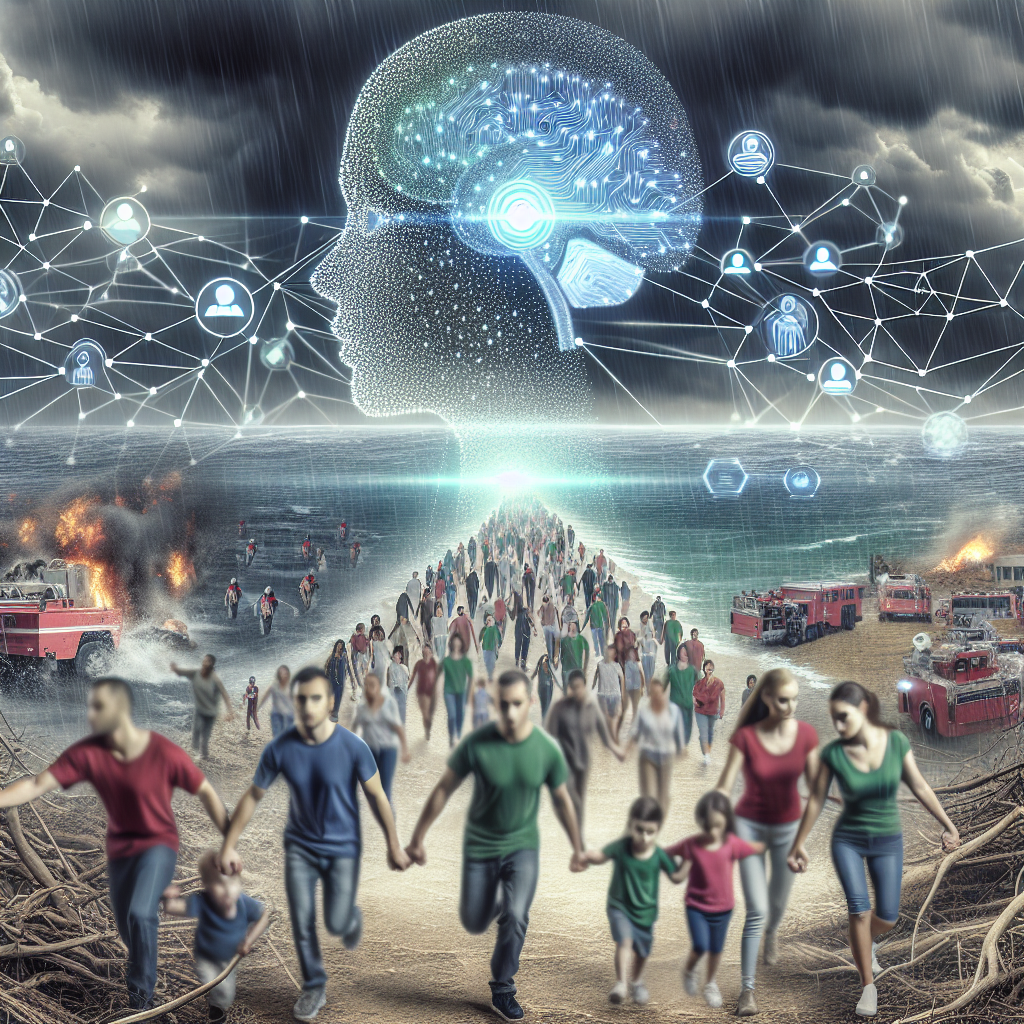
In recent years, the world has witnessed an increase in the frequency and severity of humanitarian crises, from natural disasters to conflicts and pandemics. These crises have resulted in immense human suffering and displacement, putting a strain on humanitarian organizations and governments to respond effectively and efficiently. In the face of these challenges, the role of artificial intelligence (AI) platforms in humanitarian crisis management has become increasingly vital.
AI platforms have the potential to revolutionize the way humanitarian organizations respond to crises by providing real-time data analysis, predictive modeling, and decision-making support. These platforms can help organizations identify and prioritize needs, allocate resources efficiently, and coordinate response efforts across multiple stakeholders. In this article, we will explore the role of AI platforms in humanitarian crisis management and how they can improve the effectiveness and impact of humanitarian response efforts.
One of the key advantages of AI platforms in humanitarian crisis management is their ability to process and analyze vast amounts of data in real-time. In a crisis situation, timely and accurate information is crucial for decision-making and resource allocation. AI platforms can aggregate data from various sources, such as satellite imagery, social media, and mobile phone data, to provide a comprehensive picture of the situation on the ground. This real-time data analysis can help organizations identify areas of need, assess the impact of the crisis, and track the effectiveness of their response efforts.
Moreover, AI platforms can also be used to predict and model the impact of a crisis, allowing organizations to anticipate and prepare for future challenges. For example, AI algorithms can analyze historical data and trends to forecast the spread of a disease outbreak, the likelihood of a natural disaster, or the potential impact of a conflict. By using predictive modeling, organizations can better allocate resources, plan response efforts, and mitigate the impact of a crisis on affected populations.
Another key benefit of AI platforms in humanitarian crisis management is their ability to support decision-making and coordination among various stakeholders. In a complex and rapidly evolving crisis situation, coordination among humanitarian organizations, government agencies, and local communities is essential to ensure a cohesive and effective response. AI platforms can help facilitate communication, information sharing, and resource allocation among different stakeholders, enabling them to work together more efficiently and collaboratively.
Furthermore, AI platforms can also be used to automate certain tasks and processes, freeing up human resources to focus on more strategic and high-impact activities. For example, AI-powered chatbots can be used to provide information and support to affected populations, while machine learning algorithms can be used to optimize supply chain management and logistics. By automating routine tasks, organizations can streamline their operations, reduce costs, and improve the overall efficiency of their response efforts.
Despite the numerous benefits of AI platforms in humanitarian crisis management, there are also challenges and limitations that need to be addressed. One of the main concerns is the ethical and privacy implications of using AI in crisis response. For example, there are concerns about the potential misuse of data, the lack of transparency in AI algorithms, and the risk of bias and discrimination in decision-making. It is essential for organizations to develop clear guidelines and protocols for the ethical use of AI in humanitarian response, ensuring that data privacy and human rights are protected.
Another challenge is the limited access to AI technology and expertise in the humanitarian sector, particularly among smaller organizations and local NGOs. Building and deploying AI platforms require specialized skills and resources, which may be beyond the reach of many organizations. To address this challenge, there is a need for greater collaboration and capacity-building efforts to ensure that all humanitarian actors have access to the necessary tools and knowledge to harness the power of AI in crisis management.
In conclusion, AI platforms have the potential to transform humanitarian crisis management by providing real-time data analysis, predictive modeling, decision-making support, and coordination among stakeholders. By leveraging the capabilities of AI, organizations can improve the effectiveness and impact of their response efforts, ultimately saving lives and alleviating human suffering. However, it is essential for organizations to address the ethical, privacy, and capacity challenges associated with AI in humanitarian response, to ensure that the benefits of this technology are realized in a responsible and sustainable manner.
**FAQs**
1. What are AI platforms in humanitarian crisis management?
AI platforms in humanitarian crisis management are tools and technologies that use artificial intelligence algorithms and data analytics to support decision-making, resource allocation, and coordination during a crisis situation. These platforms can aggregate and analyze data from various sources, predict and model the impact of a crisis, and automate certain tasks to improve the efficiency and effectiveness of humanitarian response efforts.
2. How can AI platforms help in humanitarian crisis management?
AI platforms can help in humanitarian crisis management by providing real-time data analysis, predictive modeling, decision-making support, and coordination among stakeholders. These platforms can help organizations identify areas of need, assess the impact of a crisis, allocate resources efficiently, and automate routine tasks to streamline operations. By leveraging the capabilities of AI, organizations can improve the effectiveness and impact of their response efforts, ultimately saving lives and alleviating human suffering.
3. What are the challenges of using AI platforms in humanitarian crisis management?
Some of the challenges of using AI platforms in humanitarian crisis management include ethical and privacy concerns, limited access to AI technology and expertise, and the risk of bias and discrimination in decision-making. Organizations need to develop clear guidelines and protocols for the ethical use of AI, ensure data privacy and human rights are protected, and collaborate to build capacity and knowledge in the sector. Addressing these challenges is essential to ensure that the benefits of AI in humanitarian response are realized in a responsible and sustainable manner.